Greensboro drivers live with a familiar rhythm. A clear morning can turn into a humid afternoon shower without much warning, and when your windshield is already cracked or chipped, that weather swing changes everything. Mobile auto glass Greensboro crews deal with this reality daily. They know the difference between a drizzle that can be managed and a downpour that shuts the job down. They also know how to keep a repair moving without compromising safety or warranty.
Rain doesn’t just make things inconvenient. It affects adhesives, contaminates repair sites, and can mislead drivers about what can be fixed curbside. If you’re weighing Greensboro windshield repair on a rainy day, or you’re comparing a Greensboro mobile windshield repair appointment to a trip to a shop, it helps to understand how the work actually gets done in wet conditions.
Why moisture is the enemy of good auto glass work
Modern windshield replacement relies on urethane adhesives that cure chemically. Moisture in the air actually accelerates cure time for many urethanes, yet free water at the bond line ruins adhesion. That paradox drives a lot of decisions in the field. A Greensboro auto glass repair tech can accept humid air, but a damp pinch weld or wet glass will shorten the life of a replacement or leave you with wind noise and leaks. The same goes for rock chip repair. Resin hates contamination, and even a small amount of rainwater in a chip prevents a proper vacuum and fill.
In practice, this means mobile auto glass Greensboro teams work to control the immediate environment of the glass, even if they can’t control the overall weather. If they can create a dry, clean, stable work zone around your windshield, they proceed. If not, they wait or relocate.
What mobile teams bring to a rainy job
Experienced Greensboro auto glass replacement crews pack vehicles like rolling workshops. Inside you’ll find pop-up canopies, contour-fitting drip shields, battery inverters, moisture meters, and heaters that look more like equipment from a jobsite than a detail bay. The kit matters because street conditions rarely resemble a controlled shop.
A canopy that sets up in five minutes can turn a driveway into a workable bay. Some teams carry windshield tents that suction to the roof and create a tight awning with side skirts. They use absorbent edge pads to keep sweep water out of the cowl area, and single-use glass wipes to prevent cross-contamination. When the rubber weatherstrip holds water, they’ll blow it out with filtered air, then use alcohol or OEM-recommended primers to ensure a clean bonding surface.
In Greensboro’s summer storm cycle, crews plan routes with radar apps open. If a thunderstorm is expected at 2 p.m., a shop might front-load two Greensboro windshield replacement jobs in the morning and keep the afternoon for shorter rock chip repair Greensboro calls or interior mirror reattachments. That kind of tactical scheduling sounds small, but it means fewer mid-job weather delays.
Repair versus replacement in the rain, and why it matters
Greensboro windshield repair and windshield replacement respond differently to weather. Repair involves removing air and moisture from a chip or small crack, then filling it with resin that cures under UV light. Replacement means cutting out the old glass, preparing the frame, placing new glass with fresh urethane, and letting it set until safe to drive. Each step has a weather threshold.
Small repairs can sometimes proceed in light rain under cover if the chip can be fully dried and isolated. Many techs use heat pens or micro-torches to evaporate moisture, followed by vacuum cycles that pull trapped vapor out of the break. Once the site is dry, a properly shielded resin fill and UV cure can be successful. That said, if wind whips rain under the canopy or the chip sits low on the glass where water pools, the odds of contamination rise.

Replacement demands a dry bond area, period. Even with a canopy, standing water on the roof or cowl can drip into the urethane path. Most reputable Greensboro auto glass replacement teams won’t set a windshield if they can’t be confident in a dry perimeter. They may pivot to a garage, a parking deck with good clearance, or reschedule when the weather passes. That restraint protects you from a compromised bond that could fail in a collision or leak on the next storm.
The micro-steps techs use to make rainy day repairs succeed
There’s a craft to handling glass on a wet day. I’ve watched skilled Greensboro mobile windshield repair crews turn a marginal situation into a clean job by stacking small advantages. First, they park with the nose or tail into the wind to create a lee side at the work area. Then they elevate the canopy’s upwind legs a few inches, so water runs away from the windshield edge. They set absorbent snakes along the cowl and A-pillars to catch stray drips, and they stage tools within reach under the canopy skirt so nothing leaves the dry zone once the procedure starts.
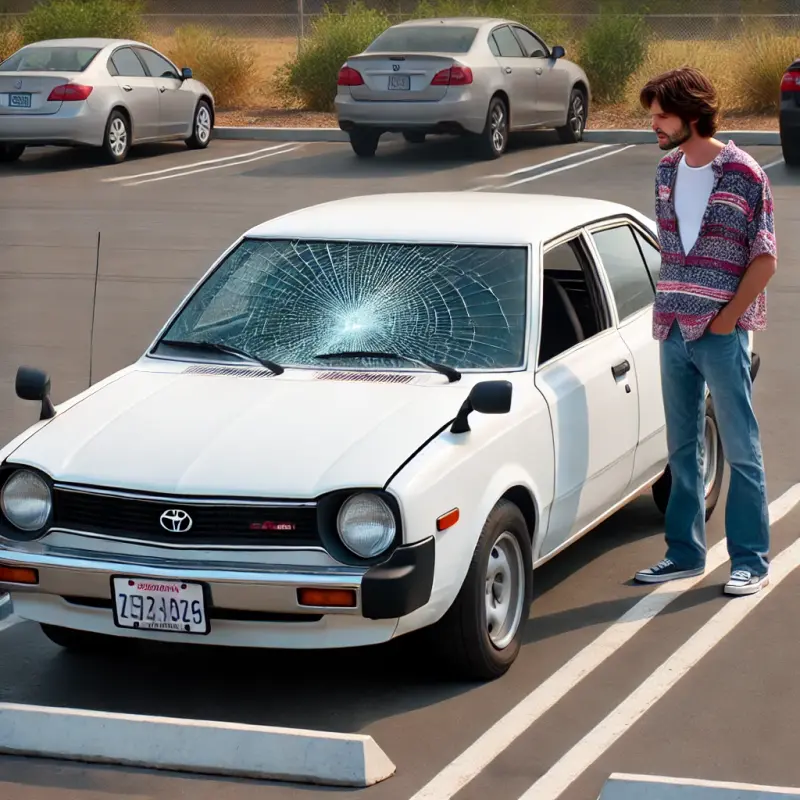
For rock chip work, the tech will probe the break with a pick to gauge depth and spreading legs, then seal it with a bridge and injector that has a tight vacuum. Before filling, they’ll apply gentle heat from a controlled source, not a lighter or a hair dryer. Purpose-made heat pens warm the glass locally without thermal shock. Moisture escapes, and the resin flows better. UV curing gets an assist from a shielded lamp, since clouds can cut effective UV intensity by more than half.
Replacement adds another set of exacting steps. After the old windshield comes out, techs prep the pinch weld by trimming the old urethane to the proper height, usually about one millimeter. Primer rules are strict, and cure times are checked against humidity and temperature. Any water trapped behind trim gets purged with air before the new urethane bead is laid. The set is done in one pass to avoid cold joints. On a humid Greensboro day, the adhesive might reach safe drive-away time faster than on a cold, dry morning, but only if the surface stayed dry during application.
Safe drive-away time, and why your patience matters
People often ask if rain changes the safe drive-away time. With most high-modulus, fast-cure urethanes, humidity shortens cure time, but temperature and the thickness of the bead still matter. Reputable Greensboro windshield replacement providers use adhesives that meet FMVSS safety standards and publish cure charts. On a 75-degree, humid afternoon, safe drive-away can be 30 to 60 minutes, sometimes a little longer if the vehicle has large glass or a thick bead.
The temptation is to treat the car like it’s ready the second the glass goes in. That first hour is when the urethane is gaining its initial strength. Slam a door with the windows up and you can spike cabin pressure enough to disturb the bead. A good tech will crack a window or remind you to close them gently and avoid rough roads until the adhesive reaches the published threshold. Even in a drizzle, water on the outside of the glass won’t hurt once the bead is laid and the perimeter is sealed. Water inside the bond line, though, is the nonstarter.
Parking decks, carports, and improvised bays across Greensboro
Day to day, mobile auto glass Greensboro crews make use of the city’s architecture. Downtown parking decks work well if your vehicle height and the deck’s clearance line up. Multi-story decks tend to offer dry conditions and decent airflow, and they’re less noisy than a busy street. Apartment carports in areas like Lake Brandt or Adams Farm give reliable cover for Greensboro car window replacement on side glass, which often requires vacuuming shattered tempered glass out of the door and cabin.
Side glass replacement is more tolerant of weather than a windshield set, since there is no urethane bond to the body. The glass rides in tracks and seals, and the job focuses on door panel removal, regulator inspection, and alignment. Rain still creates problems, mainly with wet door cards and slippery trim clips. Crews carry plastic trim tools and panel bags to keep interiors dry, and they often use portable fans to dry the door cavity before reassembly.
For customers without a garage or carport, techs may suggest a workplace parking structure or a nearby public deck. Many service windows run from midmorning to early afternoon when storms are less common in summer. In winter, the biggest issues are cold snaps and the occasional freezing rain. Urethane cure slows in cool temperatures, so techs use heated glass and controlled-environment van systems to keep materials within the right range.
When a shop job makes more sense than mobile
Mobile service is convenient, but it isn’t always the right call during a prolonged rain event. Complex ADAS calibrations after a Greensboro windshield replacement often benefit from a controlled shop. If your car uses forward-facing cameras, radar behind the grille, or lane-keeping sensors, the replacement may require static or dynamic calibration. Dynamic calibrations are done on the road with a scan tool, but static setups use target boards and precise lighting. A shop bay makes that predictable.
Similarly, if the windshield pinch weld has rust, a mobile visit in the rain won’t be productive. Rust repair involves cleaning, treating, and priming bare metal, then allowing proper cure. Pushing that under a canopy while the sky dumps water invites trouble. The same logic applies to heavily contaminated interiors after a side glass break-in. Sometimes the right answer is to combine shop glass work with a professional interior clean to avoid mold and lingering glass dust.
Insurance and scheduling realities during storm season
When a line of storms moves through Guilford County, claims spike. Insurers typically waive deductibles for rock chip repair Greensboro jobs because a completed repair prevents a costlier replacement later. If your cracked windshield Greensboro situation worsens suddenly after hail or wind-driven debris, call your carrier early. Many policies include glass coverage with either a small deductible or none for repairs.
Scheduling goes tight when the weather keeps crews guessing. Reliable providers will communicate frankly if the forecast forces a reschedule. You can help by offering options. If your workplace has covered parking, mention it. If you can bring the car to a shop on short notice, say so. Flexibility keeps your job from shuffling to the next clear day behind a stack of emergency replacements.
The physics of a leak, and how rain tests workmanship
People often discover a leak the first time it rains after service. A leak at the top edge is usually a bond or trim issue. Water paths can be sneaky, running along a headliner before dripping from a corner. Side leaks can come from windshield reveal molding clips not seated or aging body seam sealant that a new glass install simply exposed. A thorough Greensboro auto glass repair outfit will test for leaks on-site with a controlled water hose once weather allows, and they back up a replacement with a written warranty that covers wind noise and water intrusion.
Rain is also an honest judge of a resin repair. If a filled chip shows an umbrella-like dark spot that changes with water on the glass, the repair may have trapped moisture or air. That doesn’t always mean failure, but it can signal that the break wasn’t fully filled. Good techs keep a record of repair sites and will recheck them later. On laminated glass, a well-done chip repair should be structurally sound even if it remains faintly visible. Clarity improves over 24 to 48 hours as residual solvents evaporate.
Real-world Greensboro scenarios from the field
One weekday in late July, a mobile auto glass Greensboro team took a call from a teacher in Irving Park with a star break dead center in the windshield. A shower was rolling in from the west within the hour. The tech arrived with a compact canopy and set it on the leeward side of the driveway, upwind legs higher. With the resin ready, he still caught a problem: the crack had a micro-leg reaching into a heat line area near the rain sensor. That area collects condensation. He used the heat pen to coax moisture, then ran three short vacuum cycles rather than one long pull. The shower started just as the UV lamp went on, but the canopy skirt kept the work zone dry. The repair set well because the tech was fussy about micro-steps.
Another afternoon, a Greensboro windshield replacement appointment in a parking deck at Friendly Center looked straightforward. The old glass came out clean, but the pinch weld showed surface rust at the lower corners. The crew paused. They could have primed and set the new glass under the deck, but with humidity high and the rust needing proper treatment, they recommended moving the job to the shop that evening. The next day, they sanded and primed the lower channel, allowing full cure, then set the glass with documented safe drive-away. The customer avoided a recurring leak that would have been almost guaranteed if they rushed.
Small choices drivers can make when rain threatens
Drivers hold a lot of influence over how smoothly a rainy day job goes. Clearing clutter from the dash and front seats lets the tech position canopy legs and tools without stepping in and out of the dry zone. If rain is imminent, parking under a tree to wait might feel helpful, but trees drip long after a storm and drop debris that contaminates resin and urethane. A clean, open spot in a lot near a building overhang tends to work better.
If you’re scheduling Greensboro auto glass repair after a rock strike, call while the chip is still small. A quick resin repair often takes less than half an hour onsite, and it’s easier to find a break in the weather for that compared to a full Greensboro auto glass replacement. Place a piece of clear tape over a fresh chip before the tech arrives. It keeps out water and dirt without trapping moisture like impermeable films do. Avoid washing the car or using defrosters on high immediately before a repair, since rapid temperature changes can spread a crack.
How local climate shapes technique and adhesives
Piedmont summers hand out humidity like a sauna. Adhesive manufacturers publish cure charts that account for temperature and relative humidity, and experienced crews in Greensboro reference those charts constantly. They also keep inventory adjusted seasonally. A thicker winter urethane that flows perfectly at 45 degrees becomes too runny at 90. Most techs switch to a summer grade as soon as nights stay warm. They’ll also keep glass primers and adhesives in climate-controlled boxes inside the van, not baking in a side bin. That attention to materials is why two shops can produce different results on the same model in the same weather.
Winter here is milder than the mountains, but cold snaps matter. When temperatures dip near freezing, mobile crews use heated glass racks and prewarm the car interior so the set temperature is above the adhesive’s minimum. They extend safe drive-away times and communicate that clearly. Rain combined with cold can be a showstopper, since water won’t auto glass greensboro evaporate quickly and heaters risk driving moisture deeper if misused. That is when a shop bay becomes the responsible choice.

Navigating sensor covers, moldings, and trim under a tarp
Modern windshields carry more than glass. Rain sensors, lane cameras, and heating grids live under the upper frit. During a Greensboro windshield replacement on a rainy day, the transfer of these components must happen in a dry, clean space. Techs drape sterile covers, disconnect sensors carefully, and avoid setting components on damp towels. Calibration targets don’t come out under a canopy, but the prep work does, so the car is ready for a dynamic drive or a later static calibration under controlled conditions.
Moldings and clips tend to be overlooked until they squeak or lift. Water hides in molding channels, so techs use compressed air and absorbent sticks to dry them. Some models, especially trucks and SUVs common around Greensboro, rely on one-time-use clips. Reusing a swollen clip on a wet day is a recipe for wind noise at highway speed. Quality crews keep OEM or equivalent clips on hand and replace them rather than forcing a fit.
What separates a careful mobile service from a risky one
You can tell a lot in the first five minutes. A careful crew explains whether a Greensboro mobile windshield repair can be done in current conditions or if they prefer a covered location. They set up a canopy even for repairs that could be done bareheaded, because resin and tools stay cleaner. They use nitrile gloves, fresh blades, and lint-free wipes. They do not rush your signature and bolt when clouds darken. If rain starts mid-job and threatens the bond or the repair, they pause, protect the opening, and either wait it out or reschedule rather than soldiering on.
The risky outfit shows up with a towel and a tube of urethane tossed loose in a bin that has seen other chemicals. They assure you that “rain helps it cure,” which is half-true in the wrong way, then lay a bead while droplets hit the pinch weld. They leave no paperwork with safe drive-away time, and they decline a leak test later. You might pay less on the invoice, but you’ll pay more with stained headliners, fogged glass, or a lane camera that never calibrates correctly.
Practical decisions for Greensboro drivers weighing options
Mobile service exists to make life easier, not to trade convenience for quality. The most reputable providers in Greensboro offer both mobile appointments and clean shop bays, and they help you decide based on your vehicle, the type of damage, and the forecast. If your issue is a single stone chip and the forecast shows light rain tapering off, a mobile repair under cover is sensible. If you need a full Greensboro windshield replacement on a camera-equipped SUV and the radar shows storms stacking up, book the shop bay and ask about a courtesy ride or waiting area.
When you make the appointment, mention whether you have access to a garage, carport, or parking deck. Note any sensors in the windshield area, and ask if calibration will be performed immediately or scheduled after. For Greensboro car window replacement on side glass, ask how the crew protects interiors in wet conditions and whether they vacuum all cavities, including the trunk, spare tire well, and HVAC inlets where shards collect.
A short, no-nonsense checklist for rainy day glass service
- Provide a covered location if possible, like a garage or parking deck with adequate clearance.
- Keep the area around the vehicle clear so canopies and tools can be positioned quickly.
- Place clear tape over fresh chips to keep out moisture until the tech arrives.
- Ask for the adhesive’s safe drive-away time and follow the guidance on door use and window position.
- If conditions deteriorate, accept a pause or reschedule rather than pushing a risky install.
Greensboro’s mobile glass work thrives on judgment, not luck
Rain isn’t a deal breaker. It’s a variable to manage with good equipment, tight technique, and the humility to pause when conditions would compromise the job. The best teams doing greensboro auto glass repair plan around showers, carry the right gear to create a dry workspace, and choose whether to repair, replace, or wait based on the science of adhesives and the realities of your car. If you’ve got a cracked windshield Greensboro roads made worse, or you’re choosing between mobile auto glass Greensboro service and a shop visit, let weather be one factor among many, not the dictator. With clear communication and a little flexibility, you can get safe, clean results no matter what the sky is doing.
A final note on keywords that many drivers search while weighing their options: greensboro mobile windshield repair and rock chip repair Greensboro are often same-day possibilities, even in unsettled weather, as long as the break is small and the site can be dried. Greensborough windshield replacement and Greensboro auto glass replacement take more planning, especially for vehicles with sensors or when storms linger. Work with a provider that treats your car like the structural system it is, and you’ll feel the difference the next time rain starts tapping the glass and all you notice is how quiet and solid everything feels.
Leave a Reply