Windshield damage always seems to arrive at the worst moment, a pop on the highway, a spidering crack after a hot afternoon, a chip that grows on a chilly morning. If you drive around Sanford long enough, especially with the mix of I‑4 traffic, US‑17/92 trucks, and seasonal temperature swings, you will eventually face it. Then the question becomes practical: should you repair the chip, or is a full Sanford windshield replacement the safer bet? If you repair it, how long will the fix last?
I have spent years around auto glass work, both shop and mobile, and the honest answer is that a well‑executed repair often lasts the life of the vehicle, but there are conditions. Resin quality, damage size and placement, how quickly you address the chip, and the daily abuse your glass sees all matter. Let’s break it down for Sanford drivers so you can make a confident choice without wasting money or risking safety.
What a “lasting” windshield repair really means
A proper repair on laminated glass does two things. First, it stops the damage from spreading by restoring structural continuity between the layers of glass. Second, it improves clarity by driving high‑quality resin deep into the fracture and curing it with UV light. If the resin bonds well and the damage was suitable for repair, that fix can remain stable for years.
When auto glass Sanford technicians talk about longevity, they usually mean the repaired area resists further cracking and does not reopen under normal use. Minor shifts in appearance can occur since a repair will never be optically perfect, but that does not equal failure. What causes failure is migration, where a short crack turns long, or delamination inside the laminate that keeps growing. If the repair holds through seasons and road vibrations, it is effectively permanent.
The Sanford environment and why it matters
Central Florida is not kind to windshields. The same conditions that make roofs bake and dashboards fade work against resin repairs if they are poorly done or delayed too long.
Heat cycling is the big one. A windshield can swing from 70 degrees in a shaded garage to 140 or more in full sun. That expansion and contraction stresses the glass around the damage. A properly cured resin with low shrinkage and a good modulus tolerates that movement. A bargain resin with too much shrinkage can create tiny voids that invite crack growth in late afternoon heat.
Moisture is the second culprit. Afternoon storms leave humidity high, and a chip that sits for days wicks in moisture. If a tech doesn’t evacuate that moisture with heat or alcohol before injecting resin, microscopic water pockets can compromise the bond. Quality Sanford auto glass repair crews know to dry the break thoroughly, especially in summer.
Road debris is constant on I‑4 and the 417. A chip near the edge of the glass or in the lower corners sees a lot of body flex and wiper impact. Pair that with the occasional hard pothole near Lake Mary Boulevard and you have a recipe for damage migration if the repair is marginal.
Put simply, the Sanford climate magnifies small process mistakes. The right technique and materials offset that.
Repair vs replacement: choosing for longevity
Not every damaged windshield should be repaired. The decision tree is less about upselling and more about physics.
If a chip is smaller than a quarter and a crack shorter than 6 inches, the probability of a lasting repair is high when done promptly. Star breaks, combination breaks, and small bullseyes typically respond well. The closer the damage lies to the glass edge, the higher the risk it will spread later because of body flex in that area. If damage intrudes into the driver’s primary viewing area and leaves a noticeable blemish, some shops will recommend replacement for safety and visibility, even if a repair could hold structurally.
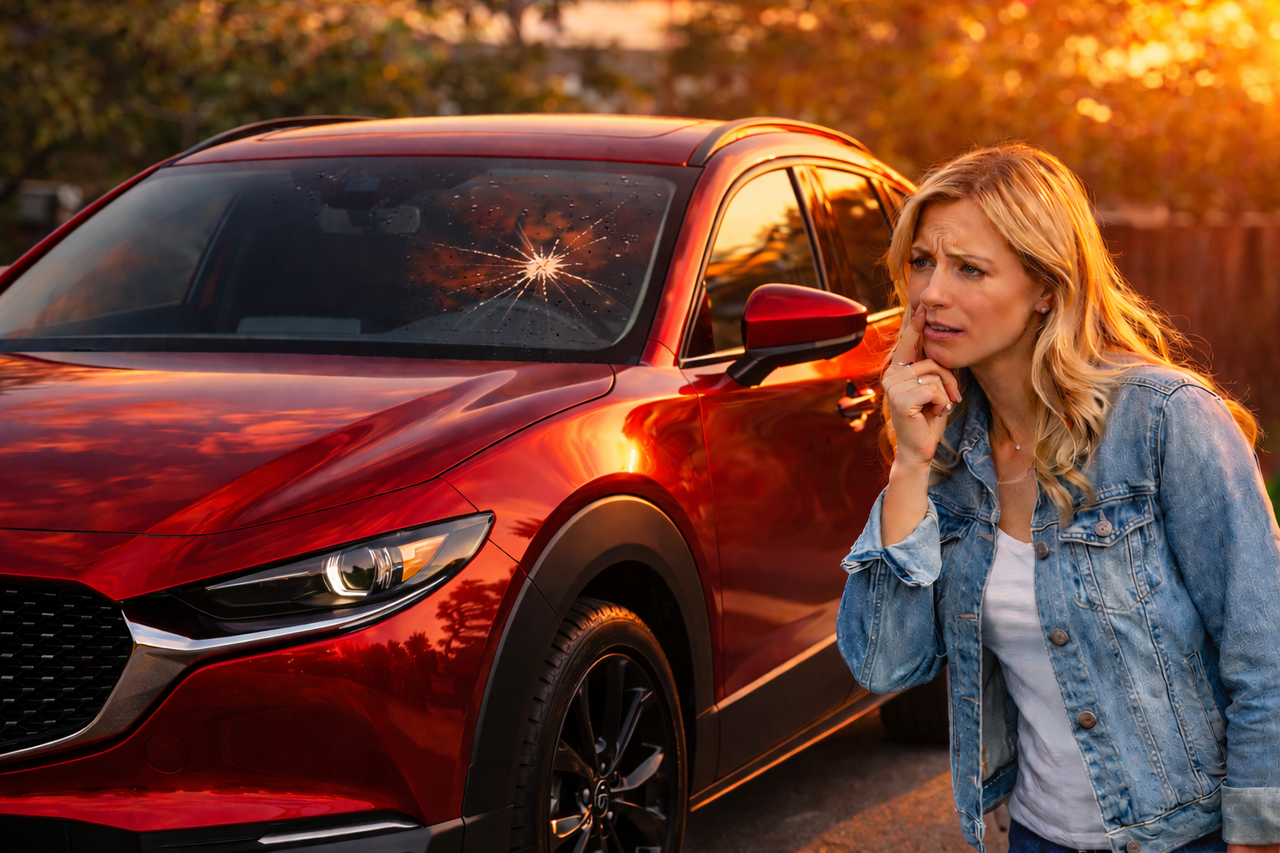
On the other end, once a crack passes 14 to 18 inches, or if multiple cracks intersect, the structural integrity of the laminate is too compromised. In those cases, a Sanford windshield replacement is the durable path, especially for vehicles with driver‑assist cameras that rely on stable glass geometry for calibration.
With ADAS features common on late‑model vehicles, another factor enters, recalibration. If your car has lane keep or forward collision systems, a full replacement requires camera recalibration to ensure correct aiming. That adds cost and time but preserves safety. A repair avoids recalibration entirely, which is one reason drivers prefer it when feasible.
What actually determines how long a repair lasts
Several variables decide whether your sanford windshield repair will hold for a season or for the life of the car. Some you control, some the technician controls, some nobody can control.
Damage age and contamination. Fresh chips repair better. Dust, water, and windshield washer fluid seep into microfractures within hours or days. The more contamination, the harder it is to evacuate before resin injection. I have seen same‑day repairs hold for a decade, while week‑old chips, even when dried carefully, had faint haloing that later turned into edge crawling under summer heat.
Damage type and location. A clean bullseye away from the edges is ideal. Long legs on a star break, especially those pointing toward the edge, pose higher risk. Cracks that touch the edge are notorious for reappearing months later. Lower corners, where the glass meets the pinch weld, experience twist and vibration that stress repairs.
Resin chemistry and viscosity. Professional‑grade resins come in multiple viscosities, chosen to match the break type. Too thin and it can shrink or leave voids. Too thick and it might not wick into tight microfractures. UV response matters too. A resin that cures too quickly on the surface can trap uncured resin deeper inside. Good techs stage the cure, allowing capillary action first, then controlled UV exposure until full depth cure.
Vacuum and pressure cycles. A proper kit pulls vacuum to remove air and moisture, then applies controlled pressure to drive resin. Repeating these cycles two or three times helps eliminate bubbles. Rushing this step is a common shortcut in bottom‑tier mobile auto glass Sanford services. It saves ten minutes but can halve the lifespan.
Curing and finishing. UV curing needs time and adequate intensity. In bright Florida sun, pros still use UV lamps to deliver consistent energy. After cure, the pit is leveled with a pit resin and polished. A rough or pitted finish is more than cosmetic. It can catch wiper blades, inviting micro‑fractures later.
Daily use. Car washes with high‑pressure jets blasting the chip prematurely, slamming doors with windows up, and parking nose‑first to the east every morning all add small stresses. None of these alone dooms a repair, but together they separate a three‑year fix from a ten‑year fix.
What I’ve seen hold up in Sanford
Anecdotally, the repairs that last without drama share a pattern. Drivers call within 24 to 72 hours of the rock strike. The damage is smaller than a quarter, no more than three legs if it is a star, and not in the lower three inches of the windshield. The technician uses a mirror to check fill quality from inside the cabin, runs multiple vacuum cycles, stages UV curing, and advises no car wash for 24 hours. Those jobs come back only for unrelated chips later.
On the flip side, the repairs that come back with a creeping line usually started at the glass edge or were left for weeks. I remember a contractor’s F‑150 with a star break that sat in a hot jobsite all week. We dried it carefully and filled all visible legs, yet two months later a hairline formed toward the A‑pillar. The resin did its job on the visible fracture, but edge tension and daily ladder duty were too much. That truck needed a full Sanford auto glass replacement to be truly stable.
How long a repair should last, realistically
With good technique and favorable damage, a repair should last for the remaining life of the windshield. That can be many years. I am comfortable telling customers that 8 out of 10 well‑qualified repairs never need further attention. The other 2 out of 10 either show slight cosmetic halos that annoy picky eyes or develop a small extension that needs a secondary stop‑drill and re‑injection.
If you look for a number, think in ranges. Many repairs remain sound for 5 to 10 years. Some fail in the first year due to edge location or prior contamination. A few do not fully bond and telegraph within weeks, usually traced to rushed process or severe heat exposure during cure. Longevity is not luck, it is craft plus physics.
When it is smarter to replace
There is no heroism in saving a marginal windshield. If the crack is long, the chip intrudes into the driver’s direct line of sight, or multiple chips pepper the glass, a Sanford windshield replacement saves time and reduces risk. Replacement gives you a fresh laminate, new moldings, and a clean slate for ADAS calibration. If your glass is pitted from sand and love bugs, even a good repair will look odd in a sea of micro scratches. New glass restores clarity.
Replacement makes even more sense if the damage sits under the wiper sweep where optical distortion will bother you daily, or if the chip is near the rain sensor or camera mount. A small repair next to sensor housings can create reflection artifacts. Good shops in the sanford auto glass repair trade will tell you this upfront.
The role of mobile service in repair quality
Sanford mobile windshield repair is convenient. Done right, it is every bit as durable as in‑shop work. The technician’s setup matters more than the address. A mobile tech who has stable vacuum bridges, fresh resin protected from heat, UV shields, and a way to dry the break will produce excellent results. The weak spot, again, is moisture control. Working outdoors on a humid day demands extra time and technique to evacuate water.
If the forecast calls for storms, reschedule unless the tech can work under cover. I have done quick in‑garage repairs at apartments, tucked under an office carport, even under a cargo canopy. A dry, shaded spot improves your odds of a long‑lasting outcome. This applies to rock chip repair Sanford drivers call in during summer afternoons. Fifteen extra minutes under shade can be the difference between a repair that holds and one that blooms.
Insurance, cost, and what that means for durability
Florida’s glass coverage rules have changed over time, so ask your insurer for current terms, but many policies still waive deductible for windshield repair. If your policy covers repair at no cost, you have little reason to wait. Immediate repair limits contamination and increases life. Compare that with paying full fare for a later replacement, which might require calibration and half a day off work.
Price signals quality, but not perfectly. I have seen low‑priced pop‑up services on the weekend outside big box stores. Some do decent work, but longevity varies. Established auto glass Sanford companies invest in better resins, calibrated injectors, UV meters, and training. That investment shows up in repairs that last. Paying slightly more for a shop with a track record is money well spent when safety glass is involved.
How to help your repair last longer
A few simple behaviors improve durability without turning you into a glass whisperer.
- Get chips repaired within a week, ideally within 72 hours, before moisture and debris settle in.
- Park in shade for 24 hours after the repair and skip high‑pressure car washes for two days.
- Avoid slamming doors with windows up for the first day, especially on older seals that hold cabin pressure.
- Replace wiper blades if they chatter. A ragged blade can nick the surface over a fresh pit fill.
- Use a windshield sunshade during summer. Slowing heat buildup reduces thermal cycling stress.
These are small habits, not a lifestyle. They lower stress on the repaired area during its early life, helping the bond reach full strength.
Edge cases that fool people
Not all glass damage reads the same. I have seen “surface pits” from highway sand mistaken for chips. Those do not need repair and cannot be filled meaningfully, yet they reduce clarity. Conversely, what looks like a tiny speck can hide a long leg under the surface. A good technician uses a probe and a mirror to map the break. That mapping guides the resin choice and injection approach.
Another odd case, chips that cross the frit band, the black ceramic border. Resin does not like to travel under that band, and UV light does not penetrate it well. If the damage lives half‑in, half‑out of that band, the repair may look perfect today and creep next month. In those cases, I warn owners upfront that replacement might be the smarter move.
Lastly, winter mornings in Sanford are mild, but preheating a frozen windshield with full‑blast defrost can shock the glass. If you have a fresh repair and a cold snap hits, warm the cabin gradually. Sudden temperature gradient across the glass is a classic crack starter.
What to ask before you schedule
When you are choosing a sanford auto glass repair service, a short conversation tells you a lot about longevity. Ask what resin systems they use and whether they match viscosity to break type. Ask if they run multiple vacuum and pressure cycles. Ask whether they’ll work in shade and how they handle moisture evacuation on humid days. Competent techs answer plainly. If the response is “we just fill and go,” keep looking.
For sanford mobile windshield repair, confirm whether the tech carries UV shields and a dedicated UV lamp, not just the sun. Verify they have a way to protect the cure from wind‑borne dust. These are small but revealing details.
Replacement done right also affects the long game
If you do need a sanford auto glass replacement, insist on proper primer cure times and OE‑approved urethane. Rushing urethane cure to deliver the car sooner is windshield calibration sanford risky. Drive‑away times can be 30 minutes to several hours depending on adhesive and humidity. In our climate, many modern urethanes reach safe drive strength quickly, but structural cure takes longer. A good shop will tape the moldings, verify even bead squeeze‑out, clean the bonding surface, and then handle ADAS recalibration either in‑house or with a trusted partner. That thoroughness translates into a quieter cabin and fewer water leaks down the road.
If only a side window broke, a sanford car window replacement is simpler, but correct regulator alignment and glass run lubrication still matter for durability. Poor alignment makes the new glass chatter and chip at the edges. With mobile auto glass Sanford services, ask if they carry door panel clips and vapor barrier adhesive. Reusing brittle clips leads to rattles that you will blame on the glass later.
The visual side: what to expect after a repair
A chip repair is not magic. You should expect a noticeable improvement in appearance, often to the point where the blemish is hard to find from the driver’s seat. Up close, you will still see a faint outline or a tiny mark where the pit was filled. If a shop promises “invisible,” they are overselling it. Optical perfection is not necessary for a lasting fix. Structural stability is the goal.
If you have a cracked windshield Sanford drivers often ask whether a long crack can be made invisible. Long cracks can sometimes be stabilized, but optical clarity rarely returns. In that case, the correct call is replacement. Your eyes will thank you at night when you drive past oncoming headlights.
Repair warranties, and what they mean for time
Many reputable shops offer a lifetime warranty against spread for that repaired spot. If the crack grows, they credit the cost of the repair toward a replacement. That is a fair policy and a mark of confidence. Read the fine print though. Warranties typically exclude new impacts near the repair and do not cover cosmetic dissatisfaction. A lifetime warranty does not mean the chip will vanish or that the glass around it becomes tougher. It simply guarantees the technician will stand by the structural work.
From a time perspective, a repair takes 20 to 45 minutes, sometimes an hour for tricky breaks. A replacement can range from 90 minutes to several hours, plus calibration. If you live or work near downtown Sanford, a mobile tech can often meet you during a lunch break. Convenience increases the chance you will repair quickly, which increases longevity. That feedback loop is real.
Putting it all together for Sanford drivers
If you just took a hit on 417 and see a dime‑sized star, call a service you trust and handle it within a few days. Choose a crew that talks technique, not just price. Park in shade for the appointment if possible. Expect a small blemish to remain and give the repair a day of gentle care. That repair will probably last as long as you own the car.
If the damage is larger, near the edge, or in your direct view, lean toward a sanford windshield replacement. Ask about OE glass versus high‑quality aftermarket, understand drive‑away times, and budget for camera recalibration if your car requires it. You will walk away with clear vision and restored structural integrity.
Sanford roads will throw stones all year. You cannot control that, but you can control speed and quality of response. Fast action, solid materials, and careful technique are what make a repair last. When in doubt, get a second opinion from a shop that does both repair and replacement. A professional who is not locked into one solution tends to give balanced advice.
Common questions answered briefly
How long does a chip repair last? Often the life of the windshield. Realistically, expect many years when the repair is done promptly and correctly. The most common early failures involve edge chips, delayed repairs, or poor moisture evacuation.
Will heat make the repair fail? Not if the resin is high quality and fully cured. Sanford heat stresses all glass, repaired or not. A good repair accounts for expansion and contraction.
Does a repair affect safety? A proper repair restores a significant portion of local strength. For widespread cracks or edge damage, safety can still be compromised, which is why replacement is recommended in those cases.
Is mobile repair as good as shop repair? Yes, when the technician manages shade, moisture, and UV curing. Convenience should not mean shortcuts. Ask questions and watch for professional equipment.
What about that tiny pit that doesn’t spread? Surface pits from sand do not usually spread and are not repairable in a meaningful way. If they are numerous and cause glare, replacement is the fix.
Final thoughts to drive on
The lifespan of a Sanford windshield repair is not a mystery. It flows from physics, materials, and timing. Small, fresh damage repaired with the right resin and patient technique can last for the long haul, through heat waves, thunderstorms, and daily commuting. Larger or edge‑based damage, or anything that compromises visibility, calls for replacement and possibly recalibration. Lean on experienced sanford auto glass repair professionals, especially those offering both sanford mobile windshield repair and in‑shop options. They have seen what fails in our climate and what holds for years.
Whether you choose rock chip repair Sanford drivers rely on for quick fixes or schedule a full sanford auto glass replacement, make the decision early and make it informed. That is how you protect your view of the road, your vehicle’s structure, and your time.
Leave a Reply