Sanford’s mix of lake glare, humid summers, and stop‑and‑go traffic does a number on vehicle glass. If you drive US‑17/92 at rush hour, you already know how a cracked side window or a hazy windshield slows everything down, including your day. Add tinting and privacy concerns, and a simple Sanford car window replacement becomes a set of decisions with safety, legal, and comfort trade‑offs. I’ve managed fleets in Central Florida and helped owners navigate everything from storm debris damage to warranty claims. The goal here is practical: help you choose the right glass, the right film, and the right service approach for Sanford’s conditions.
When a repair is enough and when replacement is smarter
Rock chips along SR‑417 happen in clusters, often after a paving project or a summer storm. Not every blemish on glass needs a new window. A small, circular chip no larger than a quarter, away from the driver’s line of sight, is often a candidate for resin injection. Done promptly, rock chip repair in Sanford keeps the damage from crawling across the pane during a hot‑cold cycle. Once you see a long crack, especially one reaching the edges, the glass has lost structural integrity. Resin won’t restore that. Side and rear windows complicate things because many are tempered. Tempered glass shatters into pellets by design. One hit from a mower toss near Lake Monroe, and you may be vacuuming granules from the trunk and rear seats. That means replacement, not repair.
Windshields, which are laminated, buy you time but not a pass. A star break directly in front of the driver or a crack longer than a few inches usually pushes you to a Sanford windshield replacement. If a chip sits in the camera sweep for lane‑keeping assist or the HUD projection area, expect either a very careful Sanford windshield repair that maintains optical clarity or, more realistically, a full replacement plus recalibration.
The legal window tint picture in Florida, explained without fine print
Florida’s tint laws are not written to trip you up, but they’re exacting. They revolve around visible light transmission, or VLT, measured as a percentage of light allowed through. Though enforcement can vary, the numbers matter.
- Front side windows on passenger cars: at least 28 percent VLT.
- Rear side windows and rear window on passenger cars: at least 15 percent VLT.
- SUVs and trucks: front side windows at least 28 percent VLT, rear sides and back window can be 6 percent VLT in some configurations, but many owners stay at 15 percent to avoid hassles.
- Reflectivity is capped, and red, amber, or blue films are off‑limits for standard passenger vehicles.
Where people get into trouble is layering. If your glass is factory dyed or “privacy” glass, then adding a 20 percent aftermarket film might push you below the legal threshold, even if the film itself is labeled 20 percent. Metering on the roadside measures the stack. In Sanford, I’ve seen vehicles fail a casual check at a school pickup line, then pass after a de‑tint to a 35 percent film on the front doors. A competent auto glass Sanford provider will meter your glass before installation and guide you. If they won’t, choose another shop.
Privacy versus safety: what tint can hide and what it should reveal
Not all privacy is about secrecy. Sometimes it’s about comfort and security. Darker rear windows discourage “smash‑and‑grab” thefts in trailhead parking lots along the Cross Seminole Trail. Tinted cargo areas keep strollers, tools, or medical supplies away from curious eyes. But visibility at night in rain matters more than any privacy benefit. You need to see cross‑traffic on 1st Street when the sky opens up at 6 p.m.
Here’s a rule that has saved me headaches on fleet vehicles: prioritize lighter, higher‑performance films up front, and reserve stronger privacy for rear doors and the back glass. Use the film’s infrared rejection and total solar energy rejected (TSER) numbers rather than chasing a low VLT front to back. You can stay fully legal and still slash cabin heat.
Choosing the right glass during Sanford car window replacement
Side and rear glass replacements often default to tempered panes that meet federal DOT specifications. You’ll be asked to choose between OEM glass, OEM‑equivalent, and aftermarket. The decision rests on a few things: your budget, how picky you are about optical distortion, and whether your vehicle relies on embedded antennas or defrost grids that require exact matching.
I’ve tested aftermarket glass that looked fine at the curb but produced waviness next to the A‑pillar. That can become fatiguing within a week on I‑4. For common sedans and trucks, a quality OEM‑equivalent works. For vehicles with complex defrost patterns, roofline antennas, or unique tint gradients, OEM saves callbacks.
For windshields, opt for laminated glass matching the original acoustic damping if your car shipped that way. The difference is obvious at 65 mph, especially in a crossover with roof racks. If you have ADAS cameras or rain sensors, Sanford auto glass replacement should include pre‑scan and post‑scan diagnostic reports and a static or dynamic camera recalibration. A shop offering Sanford mobile windshield repair can still perform a dynamic calibration on the road, using a drive cycle on routes with clear lane markings. Static calibrations need a controlled bay with targets and measured lighting. If the mobile tech shrugs at calibration, push back. It is not optional.
Understanding tint technologies beyond the brochure buzzwords
All tint is not created equal. The cheaper dyed films used to be the norm for budget jobs. They absorb heat and fade to purple under Florida sun. For a short‑term lease, maybe the price works. For a vehicle you intend to keep, upgrade.
Metalized films reflect heat well but can interfere with cell signals, toll transponders, and keyless entry in some vehicles. Around Sanford and into Orlando, where toll roads and garages are unavoidable, that interference becomes an annoyance.
Carbon films are a good middle ground. They reject heat without pigment fade, and they play nicely with electronics. Ceramic films, especially the “nano ceramic” offerings, are the current standard for performance. They block a high percentage of infrared heat without needing to be overly dark. You can keep the front doors at a legal 35 or 40 percent VLT and still reduce the seat‑belt sizzle you feel after a grocery run.
When comparing, ask for TSER and IR rejection numbers across a range of wavelengths, not just a single cherry‑picked point. A film that claims 90 percent IR rejection at one narrow wavelength may perform like a 50 percent film across the rest of the spectrum. Good shops keep spectrophotometer readings or manufacturer spec sheets rear windshield replacement sanford and will let you feel the heat lamp demo with and without film.
Privacy glass from the factory versus aftermarket film
Many SUVs come with dark‑tinted rear glass from the factory. That glass is dyed, not filmed, and it often does little to stop infrared heat. Owners then add ceramic film on top to control heat without making the rear too dark. You can use a lighter ceramic film, such as 50 or even 70 percent VLT, on factory‑dark rears to target heat while keeping legal and usable visibility at night.
If you drive a sedan with clear rear glass, you can achieve similar privacy with a 20 or 15 percent rear film, but test it at night. Pull into a low‑lit street off Park Avenue, roll down the windows, and look through mirrors. If your eyes strain to make out a cyclist at the corner, bump the film up to a lighter shade and rely on ceramic performance instead of darkness.
The Florida heat factor and how tint changes daily comfort
On a sunny August afternoon, the interior of a dark car can top 140 degrees if it sits for an hour. A good ceramic film package drops cabin temperature by a noticeable margin. I’ve measured a 20 to 30 degree difference at steering wheel level when combining a high‑TSER windshield strip at the top, 35 percent ceramic on the fronts, and a mild 50 percent ceramic overlay on factory privacy glass in the rear. That translates to faster cooldown times and less stress on the AC. Compressors last longer when they don’t run at full tilt every start. If you commute from Sanford to Lake Mary daily, shaving five minutes from each cooldown adds up, and so does the fuel you don’t burn.
Damage patterns unique to Sanford and how to prevent them
Tree debris along the waterfront and afternoon microbursts create a distinct break pattern. You’ll see long diagonal cracks starting near the lower corners of windshields where a chip went unnoticed after a hail pop or falling seed pod. For side glass, landscaping on commercial properties throws small stones that pepper passenger windows. A simple habit helps: keep two microfiber towels and a small bottle of glass cleaner in the door pocket. After a storm, wipe down the windshield and inspect chips before they become long cracks. Make the call for Sanford mobile windshield repair the same day if you spot a fresh chip. Resin bonds best in the first 24 to 48 hours, before contamination and moisture get in.
For drivers who park outside all day, a quality sunshade matters more than its color or design. Look for a shade with rigid panels that press against the windshield seals so sunlight doesn’t slide past the edges. Combined with a good tint setup, this reduces dash warping and keeps the leather from drying out.
Practical steps if your side window shatters
Tempered side glass fails fast. If a rear quarter window or door glass breaks, you’ll find glass beads everywhere, in the door cavity and trim. Resist the urge to slam the doors. The shock shakes more fragments loose. Cover the opening with a painter’s tape perimeter and a plastic sheet stretched flat. Avoid duct tape on the paint; the adhesive ruins clearcoat in Florida heat. Schedule Sanford car window replacement immediately. Many mobile auto glass Sanford teams can reach you same day. Ask them to vacuum the door cavity and blow out the window channel with compressed air. If you skip that step, the new window will grind against leftover grit, scratching on the way up.
Be clear about tint when you call. If the broken glass was filmed, ask if the shop can retint on the spot after installation or schedule a tint appointment within a day or two. Matching shades later is simpler if the same installer handles both.
Calibration, sensors, and why windshield work isn’t just glass anymore
Modern cars hide a surprising amount of tech inside and around the windshield. Cameras handle lane keeping and road sign recognition. Radar modules sit near the badge and rely on clear, precise angles. Rain sensors need intimate contact with glass, often via a gel pad. After a Sanford windshield replacement, those systems should be checked and calibrated. Dynamic calibrations involve a road test at designated speeds, with well‑marked lanes; static calibrations demand targets set at exact distances and heights in a level bay. If a shop quotes a price far below the market and never mentions calibration, something’s missing.
You’ll notice a bad calibration when the car drifts on a straight section or the system throws intermittent errors. Ask for documentation, including the pre‑scan and post‑scan reports. Insurers often require them, and they provide a baseline if anything acts up later.
Insurance realities and how to keep your claim smooth
Florida’s insurance landscape changes as laws evolve, but the practical rhythm stays similar. For glass, many comprehensive policies cover repairs without a deductible, and historically windshields fell under favorable terms. Some carriers now require you to use a preferred network. You still have the right to a quality repair. If you prefer a local Sanford auto glass repair shop, ask your carrier about out‑of‑network coverage. Provide the shop’s estimate and certification details, and confirm that calibration costs are included.
Photos help. Snap the damage, VIN, and odometer. If it’s a rock chip repair in Sanford, measure or compare the damage to a coin in the photo. For a cracked windshield in Sanford after a storm, document tree debris nearby, which can matter for comprehensive claims.
What a good Sanford glass appointment looks like
You’ll know you chose well when the tech shows up with a clean apron, glass stands, and trim tools protected with tape at the edges. They’ll cover the dash and fenders, disconnect sensors where needed, and explain how they’ll salvage or replace inspection stickers, toll tags, and recalibration procedures. On a mobile auto glass Sanford service call, look for a van stocked with urethane that matches the vehicle’s OEM cure spec and a moisture‑proof storage system for windshield glass. In humid conditions, high‑modulus urethanes and proper primers ensure the bond holds and wind noise stays away.
Expect cure time guidance. Some adhesives allow a safe drive‑away in an hour or less, others need longer. If they suggest immediate highway speeds in a downpour, question it. Shortcuts at this step are expensive later.
Balancing aesthetics, privacy, and safety with a real‑world build
Say you drive a late‑model compact SUV with factory privacy glass in the rear. Your daily route includes Airport Boulevard, a stretch of I‑4, and neighborhood streets shaded by oaks. You want to keep the cabin cooler, keep cargo out of sight, and stay fully legal.
A sensible setup would be a ceramic 35 to 40 percent film on the front doors, a 50 to 70 percent ceramic on top of the rear privacy glass to add heat rejection without darkening much, and a narrow, legal windshield strip at the top to cut overhead glare. If you prefer a full windshield film, many shops can apply a nearly clear, high‑IR‑rejection film that doesn’t alter night visibility yet tames heat. Pair this with new wipers, a hydrophobic windshield coating applied by the installer, and a sunshade. You’ll feel the difference the first afternoon you leave a grocery store parking lot.
For a sedan without factory privacy, keep the front doors at a legal 35 percent, the rear doors at 20 to 25 percent if you drive rural roads at night only occasionally, or 30 percent if you’re in rain and dark neighborhoods often. Match the rear window to the rear doors for visual consistency. If you tow or back into tight spots often, test the rear camera at night with the new tint before you sign off.
Common pitfalls and how to avoid them
Two mistakes cost Sanford drivers time and money. First, choosing film by darkness alone. Dark does not equal cool. Second, ignoring glass quality on windshields with driver‑assist systems. That bargain quote often excludes recalibration or uses a glass blank with poor optical clarity in the camera zone. You’ll pay twice.
Another trap is tint installed into dirty seals. Florida dust and pollen collect in window channels. If the installer doesn’t clean deep into the felts and vertical guides, you’ll see edge lift and visible debris in the film within a week. The remedy is a careful prep before any film goes on, including a final wipedown with slip solution filtered for particulates. Ask your installer how they prep. The answer should take longer than a sentence.
Lastly, avoid stacking multiple layers of film across years. When it’s time for a refresh, have the shop strip and reapply rather than overlaying new film on old. Adhesive stacks bubble and complicate removal later.
Where local expertise pays off
Shops that focus on Sanford windshield repair and replacement see the same patterns season after season. They know which highway stretches kick up the worst debris and which neighborhoods throw false positives on ADAS calibration routes due to inconsistent lane markings. Local techs also notice vehicle‑specific quirks, like a particular model year whose rain sensor gasket dries out faster in Florida heat and needs a fresh gel pad to avoid microbubbles that confuse the sensor.
If you call around, listen for specifics. A seasoned team talks about primers by name, mentions safe drive‑away times, and brings up Florida tint statutes without you asking. They meter your glass, ask about your commute, and suggest film packages by performance, not color swatches alone. Those are the people you want touching your car.
A concise decision path for Sanford drivers
- If the damage is a minor chip away from the driver’s view, schedule rock chip repair in Sanford within 24 to 48 hours.
- If the windshield has longer cracks, sits in the ADAS camera zone, or shows spreading, plan on a Sanford windshield replacement with calibration.
- For shattered side or rear glass, arrange Sanford car window replacement with vacuuming of door cavities and a tint plan that matches or improves your previous setup.
- When selecting tint, pick ceramic or carbon films for heat control, build legal front shades, and add lighter ceramic overlays to factory privacy glass.
- Use a reputable auto glass Sanford provider that offers mobile service if needed, clear calibration procedures, and documented materials.
Final notes on upkeep and longevity
After fresh tint, keep windows up for the period your installer recommends, generally two to three days. A slight haze under the film is normal while moisture evaporates. Wash the inside glass with ammonia‑free cleaner and a microfiber towel. For the exterior, a hydrophobic coating on the windshield helps water bead and roll off, easing wiper load in Sanford’s summer storms.
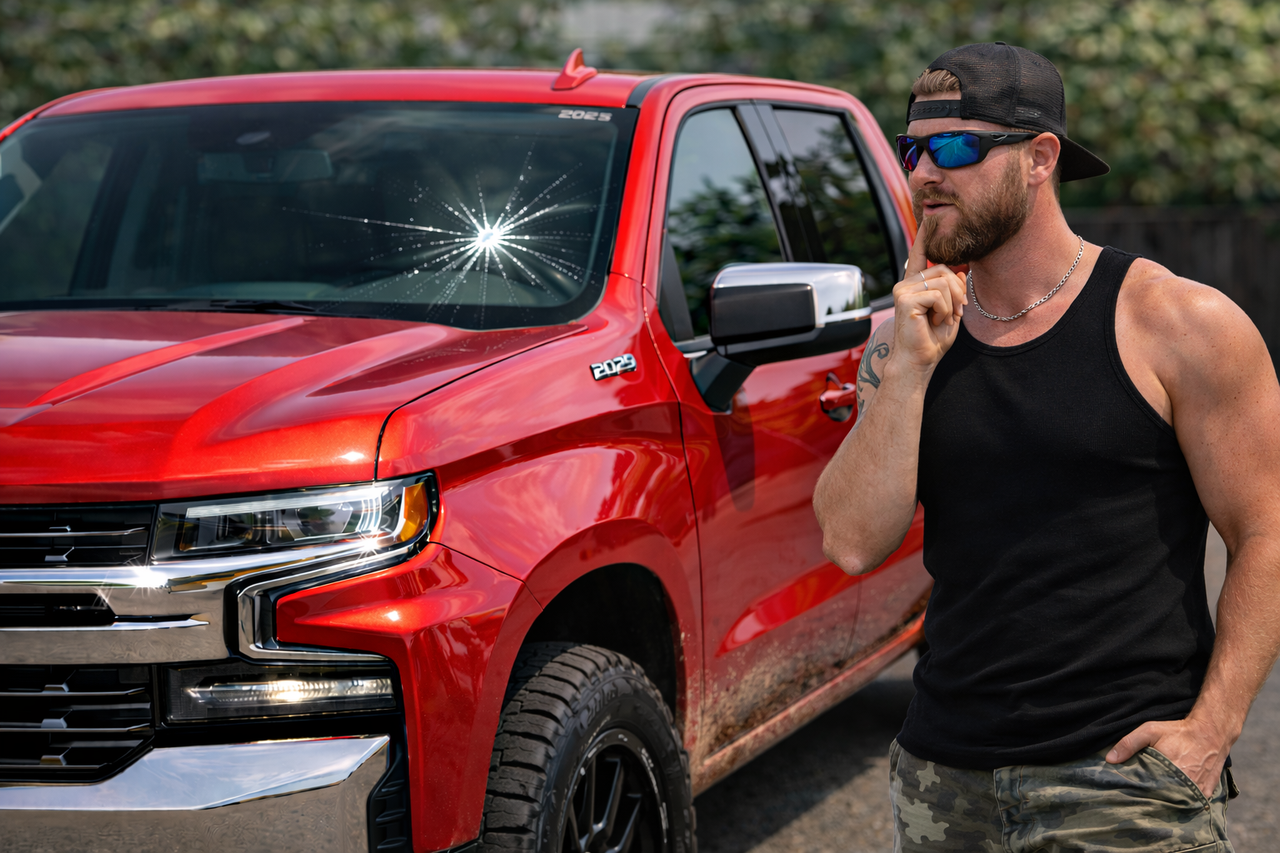
For glass longevity, replace wiper blades every six to nine months in Florida. Heat and UV harden the rubber faster here than in cooler climates. Keep your tires properly inflated to reduce vibration that can exacerbate existing chips and stress lines. Park nose‑in when possible to keep the windshield shaded by buildings or trees without placing branches directly overhead during storm season.
The right mix of quality glass, thoughtful tint, and professional installation changes daily driving. You’ll spend less time waiting for the AC to catch up, see better when it’s raining sideways on Lake Mary Boulevard, and worry less about what’s visible in the back seat. Whether you choose a shop that offers Sanford mobile windshield repair at your driveway or a bay appointment for a full recalibration, insist on clear answers and documented work. That’s how you end up with glass that disappears behind the drive rather than calling attention to itself every mile.
Leave a Reply