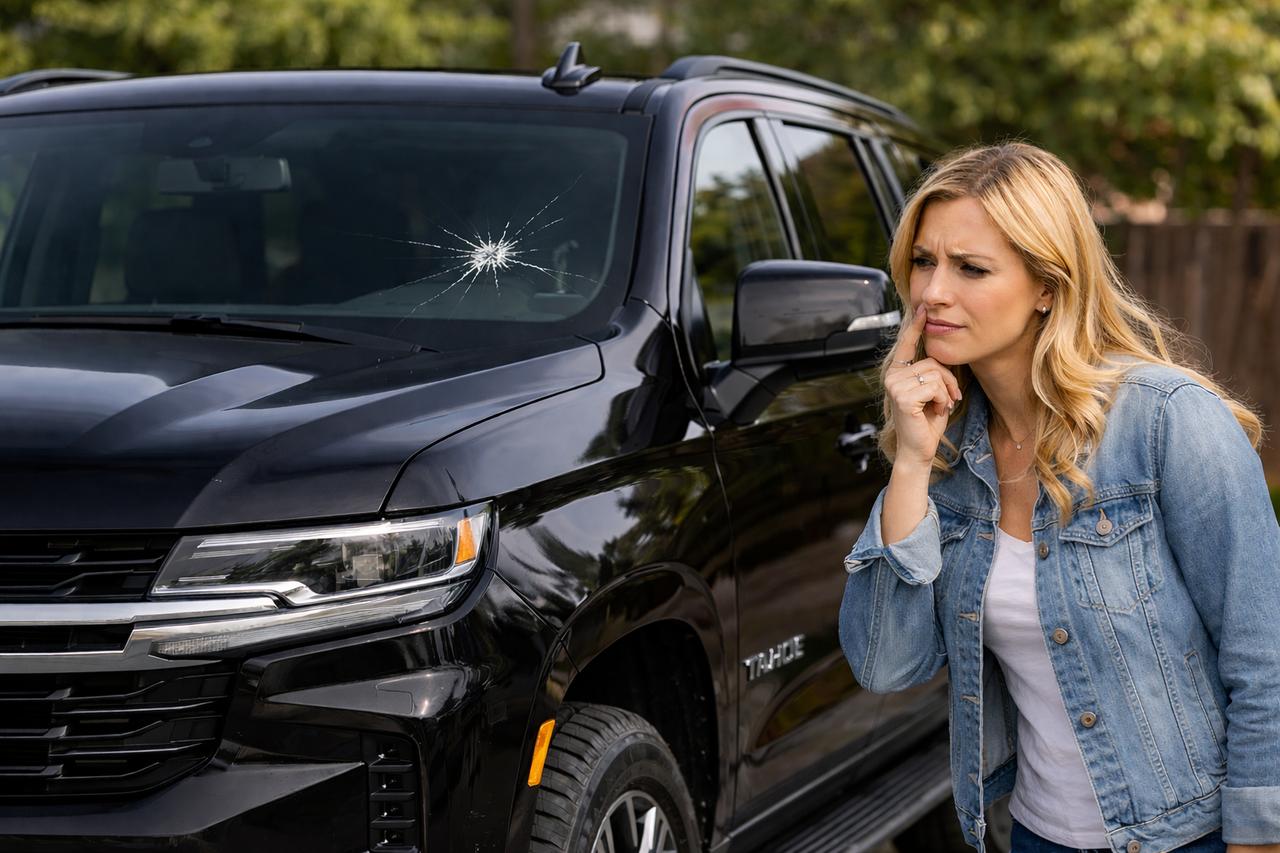
Windshield damage rarely happens at a convenient time. You hear the sharp ping from a pebble on 417, or you return to your car after lunch in downtown Sanford and spot a new crack running from the edge of the glass. It feels minor until you drive at night with oncoming headlights and realize the distortion is worse than you expected. Understanding how and why auto glass fails can help you prevent problems, choose the right fix, and avoid paying for a full replacement when a skilled repair would have done the job.
This is a look at what actually creates chips and cracks in central Florida, how they spread, and what a careful tech watches for before recommending Sanford windshield repair or replacement. The local environment matters here. Heat, humidity, sudden downpours, and construction debris on I‑4 and 17‑92 all play a part.
The anatomy of auto glass, in brief
A windshield is laminated safety glass. Two sheets of glass are bonded to a clear plastic interlayer, usually polyvinyl butyral. When struck, the outer layer absorbs the initial impact. If it fractures, the interlayer keeps the pieces in place and maintains the structural envelope. Side and rear windows are usually tempered glass. They’re engineered to shatter into small blunt cubes under a strong hit, which reduces the risk of laceration but offers no chance of repair. That difference explains why Sanford car window replacement is common for side glass, while Sanford windshield repair often saves a front windshield if you act early.
The windshield also does more than block wind. In many vehicles it contributes to roof strength, acts as a backboard for the passenger airbag, and houses sensors for ADAS features. Any decision between sanford auto glass replacement and a targeted rock chip repair in Sanford should factor in those roles.
Common culprits on Sanford roads
You can drive the same route every day and still get tagged by a stray stone. The pattern of damage types tells its own story.
Road debris from construction corridors is the main source. Central Florida grows fast, so aggregate trucks, landscaping crews, and utility vehicles often drop gravel. A freshly resurfaced section of highway can launch tiny stones at speed, especially if the chip seal hasn’t fully set. Those stones strike the outer layer of the windshield and create a fracture that looks like a star, a bull’s‑eye, or a small pit.
Then there are the unglamorous bits: metal tie‑downs, bolt heads, and hard plastic fragments. These produce more irregular chips with micro‑cracks radiating out in crooked lines. Unlike round pebbles, angular debris bites into glass and leaves stressed edges that are harder to stabilize.
Temperature swings take a quiet toll. Think of a parked car on a blacktop in mid‑July, glass at 130 degrees, followed by an afternoon cloudburst that dumps cool water across a hot windshield. That shock can make an existing nick jump into a visible crack in seconds. You’ll see this especially near the edges where the glass meets the frame, because the frame constrains the glass and concentrates stress.
Impact points near the perimeter deserve extra attention. If a chip sits within an inch or two of the edge, the chance of spreading goes up. The glass has less freedom to flex there, and the urethane bond behind it is rigid. A small hit that looks harmless in the center can be much riskier at the edge.
Finally, wiper blades and contaminants play a quiet but real role. Worn blades carry grit across the glass. That creates tiny scratches, which are stress risers. They don’t chip on their own, but they make any new hit more likely to run. If your wipers chatter or streak, you’re sanding your windshield every time it rains.
What different chips and cracks tell you
A tech in sanford auto glass repair does not diagnose damage by size alone. Shape, location, depth, and contamination matter.
A bull’s‑eye chip is a clean circular cone where a rounded stone hit the glass. If it’s smaller than a quarter and not full of dirt or moisture, it usually responds well to resin injection. A star break has several lines radiating from a point. Those legs can run, and if any of them reach the edge, you’re playing with fire. A combination break mixes those two features and needs more careful pressure control during repair to avoid spreading.
Surface pits look like tiny white dots with no cracking. They’re common on high‑mileage vehicles and don’t repair well because there’s nothing to bond. They do impair visibility, and heavy pitting can justify sanford windshield replacement even without a single big crack.
A straight crack more than a few inches long often starts from a small chip you never noticed. Thermal stress, frame flex, or a second hit gave it an excuse to move. If that crack exceeds the repairable length suggested by the resin manufacturer, or if it crosses the driver’s primary sight line, replacement becomes the safe call. Guidelines vary, but a practical rule local shops use is this: a crack longer than a dollar bill in a modern laminated windshield, especially within the swept wiper area in front of the driver, leans toward sanford auto glass replacement.
Contamination and moisture complicate everything. If a chip sat for weeks, road film and water invade the crack and stain it. Resin can still bind, but the cosmetic result won’t be crystal clear, and bond strength may suffer. A tech can purge moisture with gentle heat and a vacuum, yet there’s a limit to what’s reversible.
Florida heat, storms, and the chemistry of glass
Sanford summers test every material on a car. Laminated glass expands and contracts with temperature, but the rate differs slightly from the PVB interlayer and the surrounding metal frame. That mismatch generates internal stresses. Now add the daily cycle: blazing sun, late‑day storm, steam bath humidity, maybe an evening cool‑down. Any small flaw becomes a stress concentrator.
The rain itself isn’t a villain. It’s the sudden change. Pouring cold water onto a 140‑degree windshield creates a steep thermal gradient between the outer surface and the inner glass. The outer layer contracts faster, the inner layer lags, and a small crack acts like a thin wedge. You see the result as a crack that seems to run while you watch, usually angling toward the nearest edge.
UV exposure also stiffens the urethane adhesive that bonds the glass to the pinch weld. As that adhesive ages, the way the glass flexes over potholes and parking lot ramps changes slightly. On vehicles with stiff bodies, the windshield shares that flex. If there’s a chip near the edge, the changing load can encourage a run.
When a repair makes sense
Repairs succeed when the break is fresh, small, and structurally contained. If a chip is under the size of a coin, hasn’t collected dirt, and sits away from the edge and the driver’s core sight line, rock chip repair in Sanford is worth doing right away. A clean resin fill restores much of the original strength by bonding the cracked micro surfaces and blocking moisture. It also stops the eyesore from spreading.
Mobile auto glass Sanford services are handy for this. A tech can come to your office in Lake Mary or your driveway in Midway, cover the chip if rain threatens, and repair on site. Good practice includes vacuum cycling to remove air, controlled resin injection matched to the break type, and a UV cure that reaches the full depth of the fracture. After curing, a careful polish levels the pit so the wipers don’t snag.
Two limits you should accept from an honest shop: the repaired spot may remain faintly visible at certain angles, and if the chip lived with dirt for long, clarity suffers. The goal is structural integrity first, cosmetics second. Most insurers recognize this and will waive deductibles for sanford windshield repair because it reduces later claims.
When replacement is the smarter choice
Sometimes the safest answer is a new windshield. Cracks that reach the edge, multiple overlapping breaks, hits in front of driver assistance sensors, or damage within the driver’s central vision are strong reasons to replace rather than repair. So are long cracks that exceed the repair rating for the resin system your shop uses. If the glass is pitted like sandpaper, you’re fighting glare and poor wiper performance even without a big impact. Replacement puts you back to a clear, predictable surface.
Sanford windshield replacement also becomes likely if the laminate is compromised. Look for a milky haze between the layers or moisture intrusion after a severe impact. That’s not fixable with resin, because the failure is within the bond between glass and interlayer.
With newer cars, calibration drives the decision too. If your windshield houses a forward camera, rain sensor, or heads‑up display, the shop needs to install OE‑quality glass with the correct bracketry and optical properties, then perform static or dynamic ADAS calibration. A quality sanford mobile windshield repair or replacement service will explain whether they can calibrate on site or if a controlled shop environment is best. Cutting corners here means misaligned emergency braking and lane departure warnings.
The difference a careful install makes
A windshield is part of the body structure, not a decorative pane. Proper sanford auto glass replacement involves more than swapping a piece of glass. The installer should protect the paint, cut the old urethane without gouging the pinch weld, and treat any bare metal immediately to prevent corrosion. In Florida’s humidity, rust creeps fast once exposed. That rust can weaken the bond that helps hold the roof during a rollover.
Urethane choice matters too. Fast‑cure adhesives can reach safe drive‑away times within an hour under the right temperature and humidity. On cool, wet days, cure time extends. An honest tech will check the product specifications, measure the conditions, and give you a real window for safe driving. Leaving early may compromise safety if the passenger airbag depends on the glass for support.
For vehicles with trims, cameras, and rain sensors, everything must go back exactly as designed. Misaligned camera brackets or a twisted cowl can create wind noise, water leaks, or sensor failures that show up a week later during a storm.
Local patterns and small decisions that pay off
I keep notes on what tends to trigger service calls in this area. After a week of overnight storms, Monday mornings bring in chips that ran over the weekend. After road resurfacing projects, there’s a spike in fresh bull’s‑eyes, especially from drivers tailing dump trucks too closely. During late summer heat, edge cracks show up after car washes where the windshield was hot and the rinse water was cold.
Small habits reduce your risk. Keep a few clear chip patches in the glove box. If you take a hit, clean the spot gently and cover it to keep water and dirt out until you can Sanford Auto Glass schedule rock chip repair in Sanford. Avoid blasting the defroster on a cold, wet morning if the glass is very cold. Warm the cabin slowly, then bring the defroster up, which eases thermal stress. Replace wipers every six to twelve months to avoid dragging grit. Leave more distance behind landscaping trailers and dump trucks. And when you park at the soccer fields or a construction site, choose a spot away from weed‑whacking and gravel edges.
How to evaluate a shop for your car
There are good options for auto glass Sanford, but quality varies. You want a partner who asks smart questions, not just your VIN. They should ask where the damage is, how long it has been there, whether there are cameras or sensors near the mirror, and if you’ve washed or driven in heavy rain since the hit. Care up front shows in the outcome.
A quick phone test is telling. Describe a star break near the edge and ask whether they’d repair it. If you get a blanket yes without caveats, be cautious. A pro will explain the risk of runs during injection and may recommend replacement based on location. Ask what resin systems they use, whether they vacuum the break before injecting, and how they manage moisture. For replacement, ask whether they can calibrate driver assistance systems and what safe drive‑away times look like for the day’s weather. Simple, direct answers indicate experience.
Insurance can simplify things. Many carriers cover sanford windshield repair at no cost to you, and Florida has a unique history of windshield coverage rules. Policies and deductibles change, so verify your current benefits. A shop experienced with sanford auto glass repair will help process a claim and still let you choose OE or high‑quality aftermarket glass appropriate for your model.
Repair versus replacement: cost, time, and safety trade‑offs
A competent repair usually takes 30 to 45 minutes and costs a fraction of a replacement. It preserves the factory seal, which is ideal if your original glass stayed watertight and quiet. If the break is small and clean, this is the best first move. Over the lifetime of a car in Florida, two or three well‑done repairs are not unusual.
Replacement takes longer. Budget a couple of hours for the physical work plus calibration time if your car needs it. If mobile service works for you, plan for weather. A sheltered driveway or garage is a gift to the installer during a summer storm. If calibration requires targets and level floors, the shop may schedule you in‑house for that portion. You’ll pay more, but you get a fresh surface, restored optics, and, when done right, a structural bond you can trust.
Safety sits above cost. A long crack through the driver’s field, or a hit that undermines ADAS sensors, justifies sanford windshield replacement even if you’d prefer to save money. On the other hand, replacing for every small chip wastes cash and invites the risks of any disassembly. The middle path is to assess honestly and act quickly.
Mobile or in‑shop: which is better in Sanford?
Mobile auto glass Sanford services solve a real problem for commuters and busy families. Repairs are ideal for mobile work because they demand less environmental control and equipment. Quick response also limits contamination in a fresh break. If you’ve covered the chip with clear tape and parked under shade, mobile repair is a smart move.
For replacement, it depends on your car and the weather. On a calm, dry morning, a trained tech can replace a windshield in your driveway, verify water tightness, and perform dynamic calibration if your manufacturer allows it. During a steamy afternoon thunderstorm, in‑shop service provides better control. Some vehicles require static calibration with targets and level floors, which is not practical curbside. A good provider will be frank about which setting suits your car.
Edge cases a pro watches for
Every now and then, a chip looks simple but hides a twist. A combination break near the frit band can run during injection because the black ceramic layer absorbs more heat in the sun and leaves the surrounding glass in a different state of stress. A bull’s‑eye with a subtle shadow may indicate partial delamination, which complicates resin flow. A crack that remains after a repair attempt elsewhere might be overloaded from body flex, sometimes caused by worn motor mounts or a tweak in the frame after a prior collision. That’s rare, but on older trucks with heavy use, it happens.
We also see laminated side glass on some luxury vehicles. That glass can be repaired in limited cases, but most side windows are tempered and must be replaced. If a break pattern looks like crushed ice, you’re in replacement territory for sure.
A simple prevention and response routine
- Keep clear tape or chip patches in the glove box and cover fresh chips to block moisture and dirt.
- Replace wiper blades twice a year and wash the windshield by hand when you wash the car to remove grit.
- Leave extra distance behind gravel haulers and lawn crews, and avoid pressure‑washing a hot windshield.
- Warm the cabin gradually before blasting defrost on a cold, damp morning to reduce stress.
- Schedule sanford mobile windshield repair quickly for small chips, and ask about calibration if replacement is needed.
What to expect during a repair or replacement appointment
On arrival, a tech will inspect the damage under bright, angled light. For repair, they’ll clean the area, mount a bridge, pull a vacuum to remove air, then inject a resin matched to the break type. After UV curing, they’ll scrape and polish the surface so it’s flush. The entire process takes under an hour in most cases. You’ll likely drive immediately, with no restrictions beyond avoiding car washes that day.
For replacement, expect trim removal, careful cutting of the old urethane, prep of the pinch weld, primer where required, and a precise bead of fresh urethane. The windshield goes in with alignment guides, followed by reinstalled trims and sensors. If your car needs calibration, they’ll connect equipment and either run a dynamic road procedure or a static target routine. Safe drive‑away time varies with the adhesive and conditions, typically from 60 minutes to a few hours. You may be asked to leave tape in place for a day, avoid slamming doors, and skip rough roads until the adhesive reaches full strength.
If you see water beading inside the glass, hear unusual wind noise, or get a dash warning from a camera sensor afterward, call the shop immediately. Reputable providers stand behind their work and will retest and reseal as needed.
Tying it back to Sanford’s roads and routines
Local factors shape best practices. Our quick storms and bright sun make thermal stress more common than in milder climates. Construction debris adds a steady stream of small, fixable chips. Traffic patterns on the I‑4 corridor and 417 mean higher speeds and more energy in every impact. The takeaway is simple: act fast on small chips, choose sanford windshield repair when the break qualifies, and don’t hesitate on sanford auto glass replacement when cracks lengthen or sensors are involved.
If you need help, look for providers who offer mobile auto glass Sanford options for quick chip fixes, and solid in‑shop capability for ADAS calibration after a new windshield. Ask questions, weigh repair against replacement with your specific damage in mind, and treat the windshield as part of the safety system, not just a viewfinder.
The difference between a $100 repair and a $900 replacement often comes down to a day or two. Cover the chip, make the call, and let a skilled tech keep a small problem from becoming a big one. For anyone driving with a cracked windshield in Sanford, there’s a window of time when a clear, strong repair is still on the table. Use it.
Leave a Reply