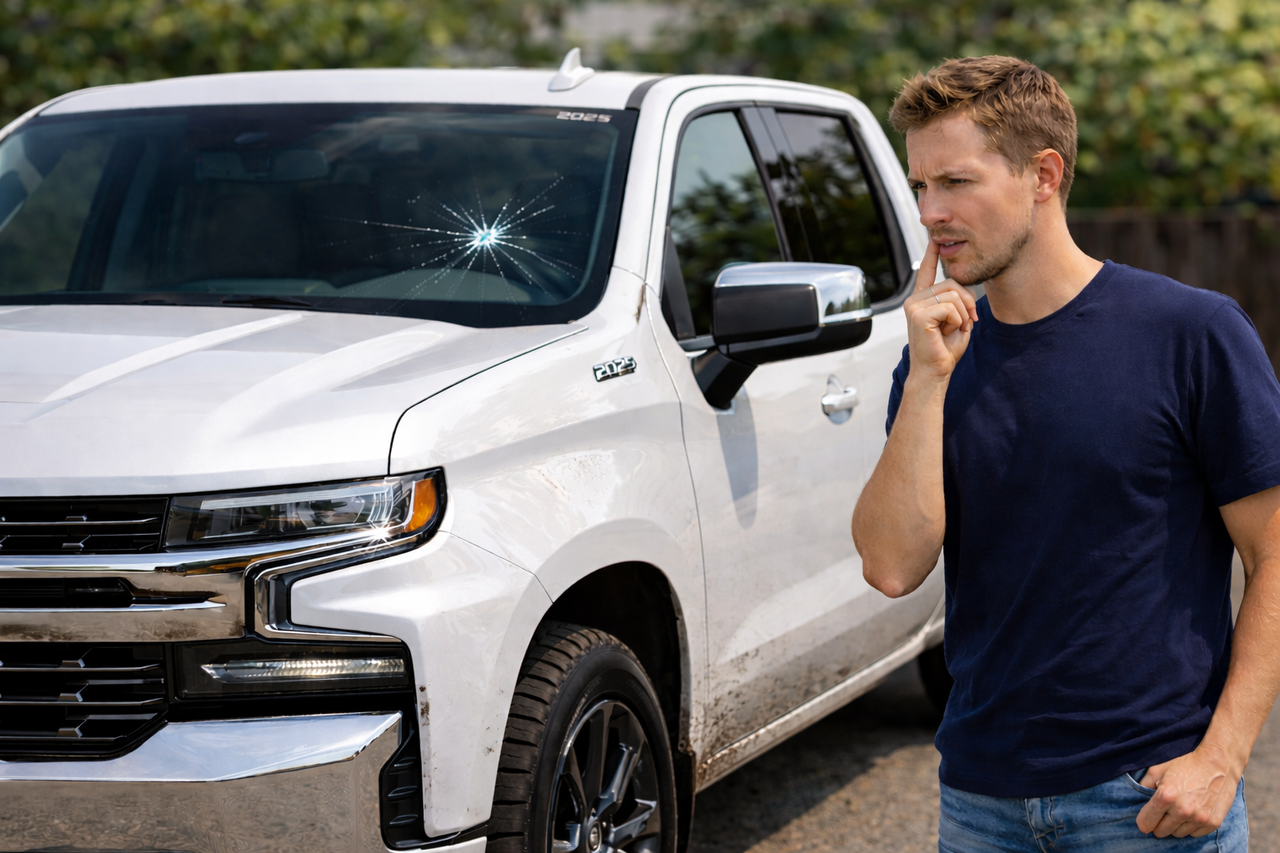
Windshield chips look small, then they spider, then suddenly you are budgeting for a full replacement. I have watched that story play out again and again in Central Florida. In Sanford, where daily commutes on I‑4 combine with abrupt afternoon showers and lingering road construction, a tiny rock chip seldom stays tiny for long. Heat, vibration, and moisture do their quiet work. The stakes are simple: repair early and you keep the factory glass intact, maintain structural safety, and avoid the much higher bill that comes with a cracked windshield. Skip it, and that blemish can turn into a spreading fracture that makes even short trips stressful.
This guide walks through the full rock chip repair process as it’s practiced by seasoned techs in the Sanford area. I will cover what’s repairable, how professionals evaluate a chip, what tools and resins actually do, and the small decisions that separate a clean, nearly invisible repair from one that leaves a stubborn scar. I will also thread in specifics about local conditions and services, from sanford mobile windshield repair to when a sanford windshield replacement makes more sense.
Why chips in Sanford behave the way they do
Sanford’s climate swings are harsher on glass than most drivers realize. Summer parking lots hit surface temperatures well above 120 degrees, then a thunderstorm drops cold rain on hot glass. That rapid thermal change places the highest stress at the chip edge, which is already a stress riser. Add the daily vibration from rough patches on 46 and 17‑92, and a chip can crawl into a crack in a weekend.
Road debris is the second culprit. Construction vehicles tracked along the 417 interchange regularly shed grit and pea gravel. Even a pickup with off‑road tires can toss a pebble at windshield height. When the windshield is struck, two variables decide your outcome: your speed at impact and the corner of the glass that gets hit. Impacts near the edges are more prone to spreading because the curvature and mounting stresses are higher there. Impacts near the center often leave cleaner, round chips with good odds of a near‑perfect repair.
What counts as repairable
Technicians make the call based on size, type, and location. The common chip types are star breaks, bulls‑eyes, combination breaks, and small surface pits. A bulls‑eye or a small combination chip, under the size of a quarter, often repairs beautifully. Star breaks repair well too, though fine legs can remain faintly visible. When a crack leg exceeds roughly 6 inches, you are moving into sanford auto glass replacement territory, and if the damage sits directly in the driver’s critical viewing area, many techs will recommend replacement even if a repair is technically possible. Florida safety standards and professional ethics both value optical clarity where you read the road.
Edge cracks are a special case. If the break is within an inch or two of the glass edge, the repair may not hold over time because the glass is under higher tension there. Likewise, a previously contaminated chip filled with months of dirt and water will never look perfect. It can still be sealed to prevent spreading, but expectations should be set correctly. An experienced sanford auto glass repair shop will walk you through these trade‑offs before any work begins.
How a pro evaluates your chip
The initial inspection takes five to ten minutes if done right. First comes visual mapping under strong light to confirm the break type and count the legs. Next, a probe checks the impact point for loose glass and confirms whether the break is through the outer layer only, which is typical, or if it has affected the plastic interlayer. A mirror inside the car helps a tech see how far the break has traveled beneath the surface.
Moisture and contamination assessment is critical. If the chip formed during one of our afternoon rains, water probably intruded. Trapped moisture blocks resin flow and causes hazing. A tech will sometimes use a gentle heat source to slowly draw out moisture before continuing. Sun alone does not dry a chip, and direct heat applied too quickly can lengthen a crack. Subtlety matters here.
Finally, the tech will consider your windshield’s overall condition. A 10‑year‑old windshield with sandblasting and wiper scratches might be a candidate for sanford windshield replacement instead of a repair. Newer vehicles with Sanford Auto Glass ADAS cameras and sensors mounted to the glass raise a second consideration. Replacement requires calibration, which adds cost and downtime. If the chip is clearly repairable, sealing it preserves the factory installation and avoids the need for camera recalibration.
The tools and materials that make a real difference
You can buy a DIY kit at a big‑box store, and for a fresh bulls‑eye far from the edge, you might get a passable result. But professional results come from three advantages: vacuum‑pressure injectors with precise control, high‑grade resins with matched viscosity, and disciplined curing technique.
Resins come in different viscosities for a reason. Thicker resins fill larger voids without excessive shrinkage, while thin resins wick into tight star legs. Mixtures can be layered to tune performance. I often see techs switch to a thinner resin after an initial fill to chase fine legs toward the edge of the break. UV lamps also vary. The better units flood the repair area with consistent intensity, creating a uniform cure that resists yellowing. With Sanford’s sunshine, you can cure outdoors, but controlled UV beats random clouds every time.
The injector itself matters. A quality bridge mounts solidly without flex, aligns directly over the impact point, and allows a technician to cycle between vacuum and pressure without introducing air. Cheap plastic bridges flex and leak, which is why they often leave bubbles suspended in the repair.
Step‑by‑step, start to finish
The order is everything. Skipping a step or rushing it shows up later as haze, trapped air, or spreading cracks.
-
Site prep and glass cleaning: The area around the chip is cleaned with a residue‑free glass cleaner. No household ammonia mixes, no wax additives. A razor blade might skim off surface splinters. The goal is clean, dry glass, free of silicones that repel resin.
-
Creating access, if needed: Some chips have a sealed impact point that resists resin entry. A micro drill, used sparingly, can open a pathway. Drilling is not always necessary, and when overdone it leaves a larger scar. Experienced hands know when to leave the impact crater alone.
-
Mounting the bridge and injector: The bridge is centered over the impact point, and the injector tip seals against the glass. Alignment is the first place rookies go wrong. A misaligned injector forces resin away from fine legs and leaves bubbles. Pros take a few extra seconds to sight through the injector and confirm dead center.
-
Vacuum cycle, then pressure: A vacuum phase pulls air and moisture from the break. On a stubborn star break, a tech may hold vacuum for 30 to 90 seconds, then switch to pressure to drive resin into the void. Cycling like this two or three times works better than one long pressure push. The shift between negative and positive pressure helps resin chase air out of tight legs.
-
Flexing the glass to move resin: With gloved fingertips or a plastic tab, a tech gently flexes the glass near each leg to draw resin deeper. Controlled micro flexing opens the break just enough for capillary flow. Too much force, and you extend a crack. This is where experience shows.
-
Resin top‑off and pit fill: Once the internal break is full, the injector is removed and a pit fill resin is applied at the surface. A small mylar tab and a few strokes of a razor blade after curing will level it flush with the surrounding glass.
-
UV curing: Portable UV lamps cure the resin in controlled intervals. On a clear Sanford day, technicians sometimes combine sunlight with a lamp, but direct sun is inconsistent. A uniform cure minimizes internal stress and prevents later blooming.
-
Finishing and polish: After curing, the tech removes the mylar, shaves any excess with a sharp blade, and polishes the area. An excellent repair feels smooth under the fingertips and barely catches the edge of a fingernail.
Those eight steps, executed carefully, typically take 25 to 40 minutes. Combination chips or those with multiple legs can run longer. Mobile auto glass Sanford crews usually budget an hour per vehicle to allow for set‑up and customer walk‑through.
What results to expect, honestly
A clean bulls‑eye repaired the day it happens often becomes a faint gray shadow that you have to hunt for. A star break might leave hairline rays visible at certain angles. The goal of sanford windshield repair is structural: stop the damage from spreading and restore strength. Cosmetic improvement is the welcome side effect. Expect 70 to 90 percent visibility improvement on a fresh, uncomplicated chip. On older, contaminated chips, 40 to 60 percent is more realistic, but the big win is preventing a cracked windshield Sanford drivers dread the week before a road trip.
If a repair looks clouded immediately after curing, chances are moisture remained in the break or the resin was mismatched. You can sometimes improve such a repair by re‑drilling the pit and refilling, but you never get a second shot at perfect clarity. Choosing a qualified shop at the start is the better choice.
How mobile service changes the equation
Sanford mobile windshield repair teams make it easy to handle damage quickly, which is the single most important factor for a clean outcome. They come to your driveway in Lake Mary or your office near the airport, set up shade if needed, and start the process before heat and contamination complicate the job. Weather matters though. On heavy rain days, techs use canopies and careful drying, but if humidity is extreme and the chip is saturated, some will reschedule to protect quality. Good mobile technicians carry moisture meters and low‑heat dryers to mitigate these conditions.
Mobile service is also useful when you have more than one repair across different panes: a windshield chip and a small nick in a quarter glass, for instance. While side and rear windows are tempered and usually shatter rather than chip, small surface marks do happen. For those cases, a sanford car window replacement may be necessary if a crack appears, since tempered glass cannot be repaired once it fractures.
When replacement wins out
Sanford windshield replacement is the smarter call when:
-
The damage is in the driver’s direct line of sight and will cause glare or distortion even after a successful fill.
-
A crack extends more than several inches or runs to the edge.
-
Multiple chips exist near each other, suggesting widespread stress.
-
The windshield already shows heavy pitting and wiper tracks that reduce visibility at night, making a fresh start more valuable than a patch.
If your vehicle uses ADAS features like lane keep assist with a camera mounted behind the glass, replacement triggers recalibration. A professional sanford auto glass replacement provider will handle dynamic or static calibration or refer you to a partner. Expect an added hour or two for calibration after the new glass sets. For many drivers, that coordination is the best reason to stick with a proven local shop instead of a lowest‑bid out‑of‑town dispatch.
Insurance and cost realities in Florida
Most Florida comprehensive policies cover windshield repair at low or no cost, and many carriers prefer repair over replacement because it’s cheaper and preserves the vehicle’s structural original equipment. Filing a claim for a chip rarely impacts your rates, though policies differ. In my experience, a straightforward repair runs a fraction of a replacement. Think in the range of two to five times cheaper, depending on the vehicle and glass options. Windshield Replacement Cost Fayetteville NC: Saving Without Compromise Luxury models with acoustic glass push replacement costs higher, which tilts the math further toward early repair.
On site, a reputable auto glass Sanford provider will ask about your policy, confirm coverage, and handle claim submission with the insurer if you want them to. What they should not do is pressure you into replacement when a repair clearly makes sense. Look for shops that can competently do both, not ones that only sell new windshields.
Timing, temperature, and the little choices that matter
Rock chip repair is forgiving if you control time and temperature. The faster you seal the break, the cleaner the internal glass surfaces remain and the better the optical outcome. Waiting days in hot, wet weather allows water to creep in and dissolve fines from the laminate, which clouds the repair.
Temperature influences resin choice. On a cool morning, a slightly thinner resin helps penetration. At mid‑day in August, a thicker resin prevents excessive flow and shrinkage as it cures. Techs also watch glass temperature. If the windshield is scorching from the sun, they will cool it gently with shade or ambient airflow before mounting the bridge. Rapid temperature change can propagate the crack right in front of you. I have seen a star leg jump an inch from a poorly timed blast of compressed air on hot glass.
Parking orientation is an underappreciated trick. If the chip has a leg trending toward the passenger side, parking with that side in shade can reduce the thermal gradient on that leg while the repair proceeds. Small adjustments like this reduce the risk of spread during the vacuum cycle.
Real‑world examples from around Sanford
A contractor from Midway arrived with a quarter‑sized combination break acquired on 46 near Mellonville. Edge distance was about three inches, a comfortable margin. Despite the visible crush at the impact point, the legs were short and tight. After a single careful micro drill to open the pit, we ran three vacuum‑pressure cycles with a mid‑viscosity resin, then chased two legs with a thinner resin on the final cycle. Curing under a controlled UV lamp yielded a barely visible repair, and he was back on site in under 45 minutes.
Another case involved a parent from Lake Forest whose SUV took a star break during a weekend soccer run. It rained immediately after the impact. By Monday afternoon, the chip held noticeable moisture under the surface. We pre‑warmed the glass gently for several minutes, then used a dry vacuum cycle to draw moisture, followed by a very gradual pressure increase to avoid spreading. The final result showed faint legs at shallow angles, but structurally it was solid and prevented a likely crack as the week’s storms rolled through.
The tougher one was a sedan with a 7‑inch crack starting from a chip near the driver’s A‑pillar. That situation called for How Long Does Windshield Replacement Take in Sanford, NC?. The vehicle had a forward‑facing camera mounted on the glass. After installing the new windshield, we ran a dynamic calibration on local roads per the manufacturer’s procedures. The car left the shop the same day, with clear documentation for the owner’s records and insurer.
Choosing a competent shop in a crowded market
Skill and integrity matter more than signage. You want a provider who handles sanford windshield repair and replacement, not a one‑trick outfit that nudges every job toward the same outcome. Ask about resin options and injector type. A tech who can discuss viscosity and cure control cares about results. Look for mobile auto glass Sanford services that carry full setups rather than bare‑bones kits. Confirm that they are comfortable turning down a repair that won’t hold, and that they explain why.
Also ask about glass sourcing for replacements. OEM or high‑quality OEM‑equivalent glass fits better, produces less wind noise, and aligns correctly with ADAS mounting points. Cheaper glass can vary in curvature and frit layout, which complicates camera alignment and can add distortion at the edges.
Aftercare and what not to do
Right after a repair, avoid washing the car with high‑pressure sprays directed at the chip for a day. Resin reaches functional strength quickly under UV, but a modest rest helps. Do not pick at the pit fill if you feel a tiny ridge. If you notice a new leg forming days later, call the shop. A quick re‑evaluation can sometimes arrest an early extension by drilling a relief and adding resin. If you wait and the crack runs, replacement becomes inevitable.
For those who park outside at jobsites along the river or under live oaks, a simple windshield shade can lower glass temperature enough to reduce daily stress. It’s a small step, but over a Florida summer, it pays back in fewer chips turning into cracks.
Where rock chip repair fits in the bigger auto glass picture
Chips, cracks, and replacements fall on a spectrum. At one end sits a quick, affordable, high‑value fix: rock chip repair sanford. In the middle are borderline cases, where the location or contamination complicate things, and experience determines whether your repair looks clean or merely adequate. At the other end are clear replacement scenarios that call for sanford auto glass replacement with proper calibration.
Then there are the odd cases. A rear defroster line broken by a small impact on the back glass, or a side window that shattered overnight from a door slam after a tiny edge chip. Tempered glass behaves differently than laminated windshields. For those panes, sanford car window replacement is straightforward and fast, but not repairable in the same way. Having one trusted contact for all three categories keeps decision making simple.
A simple plan for Sanford drivers
-
Address chips within 24 to 72 hours, sooner if rain is forecast.
-
Keep tape over a fresh chip if you cannot get to a shop that day. A small piece of clear packing tape prevents contamination without blocking visibility.
-
Choose a shop that offers both repair and replacement, and ask about ADAS calibration if your vehicle has it.
-
Use mobile service when your schedule is tight. Quality work can be done in your driveway.
-
Treat repair as structural insurance. Cosmetic perfection is a bonus, not the only goal.
Handled this way, a tiny impact from loose gravel stays a tiny mark. You keep your original glass, your safety systems remain undisturbed, and you avoid the creeping stress of a cracked windshield Sanford commuters deal with when they wait too long. The process is not mysterious, just methodical. Done with care, it works.
Leave a Reply