If you spend enough time driving around Sanford and Lake Monroe, you start to notice how glass shapes the feel of a car. A quiet cabin on 417 during a rainstorm, a windshield that shrugs off a rock from a dump truck headed down 17-92, side windows that drop cleanly into the door without chatter. Those details come down to two kinds of glass, laminated and tempered, and the difference between them isn’t academic. It dictates how your windshield protects you in a crash, whether a small chip can be saved, and how much you’ll pay when a stray branch falls after an afternoon thunderstorm.
I’ve worked around auto glass long enough to know how decisions get made. When the calendar is packed and you’re juggling kids’ activities with work, you want fast, safe, and fair. If you search for auto glass Sanford, you’ll get a pile of shops and mobile vans that promise quick fixes. The trick is knowing what’s inside the glass and how to match the right repair to the right problem.
What laminated glass really is
Laminated glass is what you’re staring through when you drive, even if you never think about it. It’s built like a sandwich: two sheets of annealed or heat-strengthened glass bonded with a plastic interlayer, typically PVB, sometimes SentryGlas. The bond is permanent. If a rock strikes your windshield, that interlayer keeps the shards together, so a spiderweb stays a spiderweb and doesn’t turn into a hole.
That interlayer does more than hold things in place. It filters UV, it damps sound, and it lets engineers build in acoustic layers, heads-up display windows, and rain sensor zones without compromising safety. When you buy a vehicle with an advanced driver assistance system, the camera watching lane markings usually looks through this laminated glass. If you’re dealing with sanford windshield replacement on a modern car, the conversation quickly moves from glass types to sensor calibration. The physics of laminated glass are what make that possible.
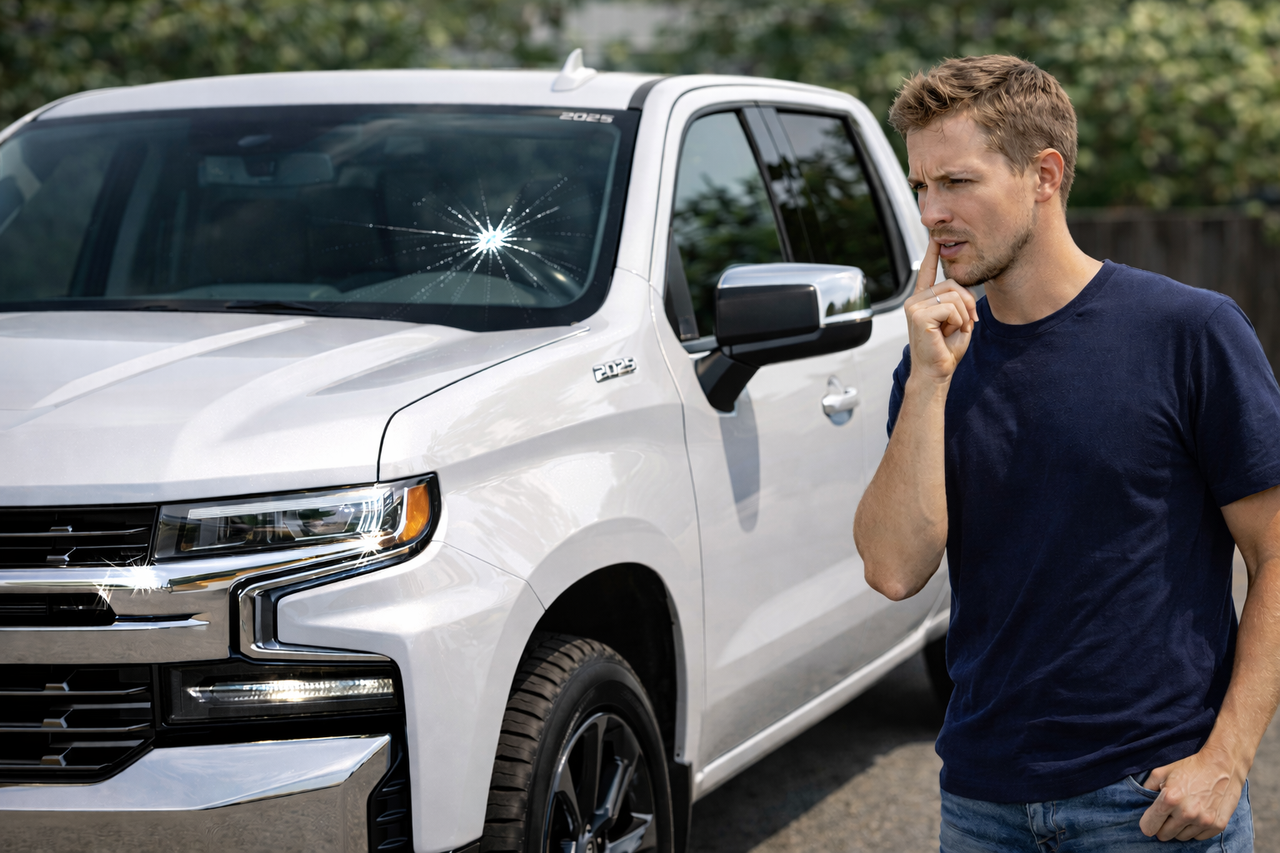
From a repair standpoint, the most important point is that laminated glass can often be saved when the damage is minor. A chip that’s smaller than a quarter with a short crack can be resin-injected, UV-cured, and polished in under an hour. I’ve done rock chip repair Sanford drivers assumed meant a new windshield, and they drove away spending a fraction of a replacement. That option exists because the plastic interlayer gives the resin something to bond with and stops cracks from running unchecked.
What tempered glass is built to do
Tempered glass is a different animal. It starts as ordinary glass that gets heated to around 620 to 680 Celsius, then cooled rapidly. The process creates compressive stress on the outer surfaces and tensile stress inside. The result is strength, up to 4 or 5 times stronger than standard annealed glass of the same thickness, and a predictable failure mode. When it breaks, it crumbles into small cubes rather than long, sharp shards.
Manufacturers use tempered glass for side windows and rear windows. It is light, strong for its weight, and it breaks safely when it must. In a rollover, first responders can shatter a side window cleanly and pull a door open. If a rear defroster has a fault, the glass can pop unexpectedly as the stress finds a weak point, but you won’t have razor edges across your seats. The tradeoff is that tempered glass cannot be repaired in practice. A star chip in a side window is a time bomb. Once the surface tension is breached, vibration or temperature swing can turn a pinprick into a handful of beads in seconds.
In my experience, drivers ask why their friend got a sanford windshield repair for a chip, but their side window with a similar mark needed full replacement. The answer is the Sanford Auto Glass tempering. Once that surface stress is compromised, any attempt to drill and inject resin risks random failure. If you need a Sanford car window replacement, you’re getting new tempered glass, not a patch.
Safety, not just shatter control
Automakers don’t choose laminated for the windshield and tempered for the side glass just to control how it breaks. They choose based on what the glass needs to do in a crash. The windshield in most vehicles is a structural member. It helps the roof resist crush, supports airbag deployment, and holds you in the cabin when the front airbags push against it. The bond between glass and frame needs the right urethane adhesive, proper prep, and the patience to let it cure.
I’ve seen rushed jobs where a driver was sent out within 20 minutes of a replacement. It looked fine but that isn’t safe. The safe drive-away time depends on the urethane used, humidity, and temperature. It can be 30 minutes with a fast-cure urethane on a hot August afternoon or a couple of hours if a cold front has rolled through Sanford and we’re working in a garage. A reputable sanford auto glass repair company will tell you the curing window clearly and won’t fudge it because the next appointment is waiting.
Tempered glass, meanwhile, contributes differently. It reduces weight and lowers the center of gravity while still giving occupants a clear exit after a crash. Side-curtain airbags can deploy against it without the glass slicing them open. There are exceptions. Some high-end vehicles use laminated side glass for sound insulation and theft resistance. If you tap an upper trim sedan’s side window and it doesn’t ring quite the same, that’s often laminated side glass. It’s quieter and resists smash-and-grab theft, but it’s heavier and more expensive to replace. When you’re getting a Sanford auto glass replacement quote, a laminated side window can be double or triple the cost of tempered, and supply times can stretch from same-day to a week.
When a chip is fixable and when it isn’t
Windshield repair is a judgment call that blends standards and experience. There are general guidelines that most insurers and technicians follow. If the damage is small, usually under the size of a quarter, is not in the driver’s primary sight area, and doesn’t extend to the outer edge of the glass, it can often be repaired. The sooner the better. Within 24 to 48 hours after impact, dust and moisture haven’t penetrated deeply and the resin bonds better. A chip that sits through a weekend thunderstorm and two drying sun cycles is harder to make invisible and more likely to return with a crack weeks later.
Edge cracks are the heartbreaker. The stresses around the perimeter of a laminated windshield are high, and once a crack touches the edge, it tends to run. I’ve seen a six-inch crack one morning become 18 inches by late afternoon after a highway run to Orlando. If your search is cracked windshield Sanford and you see a line that touches the border, plan on sanford windshield replacement, not repair. It’s safer and in the long run it’s usually cheaper than trying a repair that fails.
Tempered window chips fall into the no-go category. If a rear window heater tab falls off and takes a square inch of glass with it, the entire backlite needs replacement. That’s when mobile auto glass Sanford service can save your schedule. A technician can vacuum the glass beads properly, check for heating element shorts, and fit a new panel in your driveway. If you try to limp along with duct tape and plastic, you’ll invite water intrusion and electrical headaches.
ADAS, cameras, and why calibration matters
Modern windshields often host cameras for lane keeping, forward collision alerts, and adaptive cruise. Those systems assume a known relationship between the camera and the glass. When the windshield changes, that relationship changes. After a replacement, many vehicles require calibration, either static in a shop with targets or dynamic on a prescribed drive cycle. It’s not optional if you want the systems to function properly.
I’ve had customers say the car drove fine after a glass swap, only to find lane departure warnings triggering late or not at all. On some models, the dash announces a calibration requirement. Others just quietly degrade. A thorough sanford mobile windshield repair or replacement service will either calibrate on site if equipped or coordinate a calibration appointment immediately after the install. Expect an extra 30 to 120 minutes, depending on the vehicle. If a quote is far cheaper than others, ask whether it includes ADAS calibration. Paying twice because the first installer skipped it erases any savings.
Cost, insurance, and what dictates the bill
Florida’s laws and insurer policies matter as much as glass type when you’re adding up costs. Windshield replacement on many Florida policies carries no deductible. Even so, that doesn’t mean everything is covered the same way. A windshield with a heads-up display and acoustic layer can cost two to three times more than a base windshield. A lane camera behind the glass adds calibration labor. Factory glass usually costs more than aftermarket, and the difference can be hundreds of dollars.
From the field, here are common cost drivers that catch people off guard:
- Options buried in the VIN. A windshield can look identical but include solar coating, infrared reflection, or special brackets that change part numbers and price. A quick VIN check prevents a wrong glass delivery and a reschedule.
- Reuse of trim and clips. Some models use one-time clips that must be replaced. Skipping them leads to wind noise and water leaks, and fixing that later adds frustration and cost.
For tempered glass, tint and defroster patterns influence availability. If you have a rare color or a specific privacy tint shade, expect a day or two for sourcing. Mobile work helps here. Shops that handle mobile auto glass Sanford calls often have direct lines to local distributors in Orlando, Longwood, and DeBary, which cuts wait times.
Repair quality: what you can see and what you can’t
A well-executed rock chip repair Sanford drivers can barely find afterward. Not invisible, but faint, like a healed scar. You should feel no roughness when you run a fingernail over the surface. In sunlight, you may see a tiny distortion. That’s normal. More important is the structural outcome. The resin fills the microfractures and stops the crack from advancing. If you see the damage creeping weeks later, something went wrong, often because moisture was inside the break or the crack had already started to run under the surface.
With replacement, look for even gaps around the glass, no urethane squeeze-out on the interior, and no wind noise at highway speed. Wash the car after the safe-drive-away time has passed and check for leaks in the corners. If a shop used proper primers and urethane, bonding is robust. If they took shortcuts, you’ll find water spots in the headliner or a faint musty smell after a storm. Quality control is not glamorous, but it’s the difference between a one-visit fix and three weeks of callbacks.
Practical scenarios from Sanford roads
The geography around Sanford creates familiar patterns of damage. I see three common ones.
First, I-4 and 417 construction debris. Gravel off trucks and tiny metal fragments create star breaks and bulls-eyes mainly on the passenger side of the windshield. These are perfect candidates for sanford windshield repair if handled quickly. A mobile technician can meet you at the office parking lot, inject resin, and have you driving in 45 minutes.
Second, afternoon summer storms that break branches. A falling limb on a driveway can spider a rear window or crush the windshield header. If the windshield frame has a kink or rust is exposed, replacement includes careful prep and rust treatment before new glass goes in. Skip that and the urethane bond is compromised. For rear windows, the broken tempered glass gets everywhere. A proper vacuum and vent cleaning is part of a sanford car window replacement worth paying for.
Third, vandalism near apartment complexes or trailheads. Side windows get punched, often with a center punch. Tempered glass shatters, and the door cavity fills with beads. If the door drains clog with glass and dust, you’ll get water sloshing noises and moldy smells. Technicians that take the panel off, clear the channels, and confirm the window regulator wasn’t damaged save you a return trip a month later.
Mobile service versus shop service
Mobile teams have improved. For many jobs, they deliver the same quality as a shop and save you time. That said, certain conditions favor a shop. High winds, heavy rain, and very high humidity can interfere with adhesives and curing. Complex ADAS calibrations are more reliable with stationary targets in a controlled environment. If you book sanford mobile windshield repair and the forecast shifts to a thunderstorm, expect a call suggesting an alternate location or rescheduling. It’s not stalling. It’s the kind of judgment that keeps your car safe.
Shops also handle specialty glass better. If you have a European car with sensors embedded in the windshield, or a classic with butyl rubber seals rather than urethane, the bench space, lighting, and tool access in a shop make a difference. I’ve done mobile jobs in tight condo garages and made it work, but when we moved the same car to a bay with headroom and proper stands, everything went smoother.
OEM, OEE, aftermarket: sorting the alphabet soup
You’ll hear three terms during a sanford auto glass replacement quote. OEM means the glass carries the automaker’s branding and comes from the original supplier. OEE stands for original equipment equivalent, essentially the same manufacturer and specs without the logo. Aftermarket covers third-party glass built to fit and function, often at a lower price. Not all aftermarket glass is equal. Reputable brands fit well, match curvature, and accept trim without drama. Poor-quality aftermarket glass creates optical distortion, especially where the camera looks through.
Your choice hinges on the vehicle and your tolerance for risk. For a base sedan without ADAS, high-quality aftermarket often makes sense. For a windshield with a HUD and lane camera, OEE or OEM reduces stray variables. If cost pressures are tight, ask the shop to show you the part brand they plan to use and whether they have installed it on your model before. The right answer here sounds specific, not generic.
Care and prevention that actually helps
You can’t prevent every chip, but you can stack the deck. Following distance matters more than people think. The difference between three car lengths and six car lengths behind a gravel truck can be the difference between a hit and a miss. Temperature swings matter too. A hot windshield hit with a blast of cold A/C can carry more stress. If you take a rock on a summer day, avoid washing the car with cold water until someone assesses the chip.
If you do get a chip, a small piece of clear tape over it buys time. It keeps water and grit out of the break, which helps the repair bond. Don’t press hard, and don’t use anything opaque. Then search for sanford auto glass repair or rock chip repair Sanford with the aim to get it sealed within a day or two. The repair cost is low, insurers often waive deductibles for chip repair, and you keep the factory seal of the windshield intact.
After a replacement, heed the little instructions that sound fussy but aren’t. Crack a window for a day to equalize pressure and avoid slamming doors. Skip the high-pressure car wash for 24 to 48 hours. Don’t rip off the exterior tape until the installer says it’s OK, usually the next day. If you notice new wind noise, call immediately. Trapped tape adhesive or a slightly lifted molding is easy to fix when fresh.
Choosing a shop in the Sanford area
A shop’s process tells you more than a coupon. Ask how they identify the correct glass. Listen for VIN decoding and option verification. Ask about urethane brand and safe drive-away time. If your car has ADAS, ask how they handle calibration and whether they provide documentation. For mobile work, ask about weather plans and workspace needs. I look for responses that show they’ve done your exact situation before.
Sanford has a healthy network of independent shops and franchise operators. Working with locals often speeds up parts sourcing. A shop that does a lot of sanford windshield replacement knows which distributors keep the right parts in Orlando inventory and which trim clips break nine out of ten times. That lived knowledge shortens your downtime.
The laminated-versus-tempered takeaway
Once you see the logic behind laminated and tempered glass, the rest of the decisions line up. Windshields exist to stay intact and support the car’s structure. Laminated glass makes repair possible for small chips and keeps you inside the safety cell when things go wrong. Side and rear windows prioritize controlled breakage and weight. Tempered glass makes escape and rescue easier, but it isn’t repairable. Repairs buy time and save money when done early. Replacements restore safety when damage crosses the line.
If you’re facing a cracked windshield Sanford drivers deal with every week, act quickly. Small becomes big faster than you expect, especially in heat and rain. Communicate clearly about options, be realistic about ADAS calibration, and don’t skimp on adhesives or curing time. Whether you opt for shop service or mobile auto glass Sanford, the right team will match the glass to the job, calibrate what needs calibrating, and send you back on the road with clear sightlines and quiet confidence.
That’s what good glass work feels like. You stop thinking about it. The cabin goes hushed on I-4, the wipers trace a clean arc, and the only time you notice the windshield is when the sun drops behind the St. Johns and throws a copper streak across it. When the glass is right, it just disappears, leaving you to enjoy the drive.
Leave a Reply