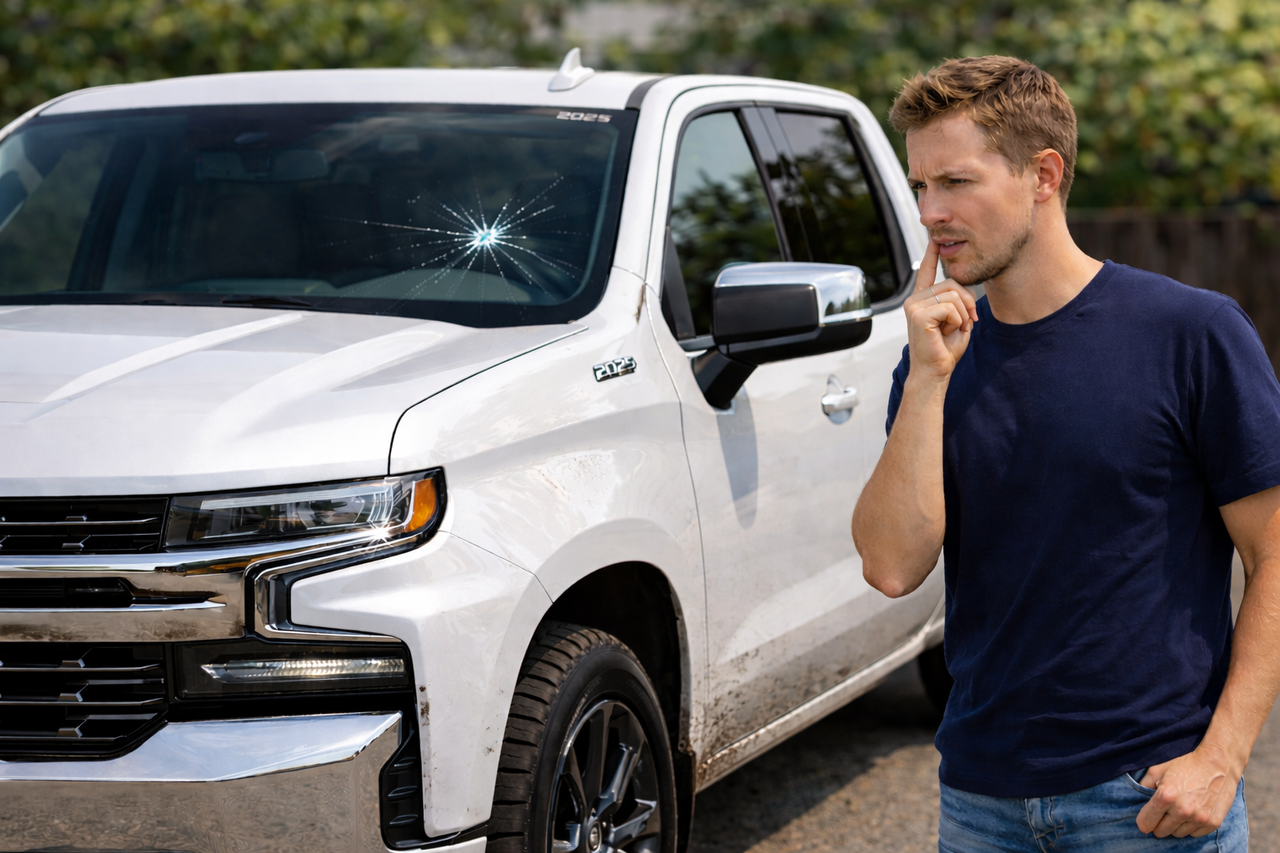
Windshield damage rarely happens at a convenient time. A dump truck drops a pebble on US‑1, a mower kicks up gravel on a Sanford back road, or afternoon heat spikes turn a tiny pit into a growing crack. The first question most drivers ask is simple: can this be repaired, or do I need a new windshield? The answer depends on the size, type, and location of the damage, the age of the chip, and the structure of the glass itself. If you drive in or around Sanford, understanding these factors can save you money and keep you safer on the road.
This guide draws on what technicians in sanford auto glass repair see daily. It explains where the typical “dime‑to‑quarter” rule holds up, where it breaks down, and how modern resin repairs compare to full sanford windshield replacement. You will also find practical judgment calls for tricky chips near the edges, around sensors, and in Florida’s heat and storms.
The short version: most small chips are repairable, cracks are case by case
For classic rock chips, size is often the first gate. A clean, round chip up to the size of a quarter, roughly 1 inch across, is usually a good candidate for rock chip repair sanford services. Cracks are different. A single, simple crack under 6 inches stands a fair chance of repair. Anything longer becomes unpredictable, and if multiple cracks radiate from the same impact or the damage reaches the edge of the glass, sanford auto glass replacement starts to look like the smarter route.
Those are broad strokes. Real decisions live in the details: chip type, depth, contamination, location, and the vehicle’s equipment.
How windshield glass actually behaves
Modern windshields use laminated safety glass, two layers of glass bonded to a plastic interlayer. The outer pane takes the hit. The interlayer keeps the structure together during an impact and prevents you from being showered with shards.
Repair works by injecting a low‑viscosity, UV‑curing resin into the air space inside a chip or crack. Once cured, the resin restores a measure of structural integrity and limits the damage from spreading. It also improves clarity by replacing air with resin that has a similar refractive index to glass. Repair does not make the glass “good as new,” but a quality repair done early can stabilize the windshield for the remaining life of the vehicle. That, in turn, keeps you from needing a sanford windshield replacement that might cost several hundred dollars more and require ADAS recalibration.
Types of chips and what they mean for repair size
Two chips of equal diameter can have very different repair prospects. Technicians look at shape and depth to decide how far resin can travel and whether the break threatens the glass edge or critical sight lines.
- Bullseye: A circular impact with a dark center. These are among the easiest to repair, often successful up to quarter size. Resin flows predictably and the cosmetic result tends to be good.
- Star break: Multiple short legs radiate from the impact. If the legs are short, under a half inch, and not branching, repair has a high success rate. Longer legs or branches reduce the odds.
- Combination break: A bullseye with star legs or multiple overlapping features. These can still be repairable up to quarter size, but the technician will check for leg length, branching, and depth.
- Half moon: A partial bullseye near an edge. Typically repairable if small, though edge proximity raises risk for spreading.
- Surface pit: Shallow divot with no cracking beneath. These often need only a pit fill to prevent wiper wear, and size matters less than depth.
- Linear crack: A crack line without a circular impact crater. Under 6 inches, with clean ends and not reaching the edge, many can be stabilized. Above that, sanford windshield repair becomes a gamble.
Florida’s heat and humidity complicate star and combination breaks because legs can extend under thermal stress. If your vehicle sits in the sun at a Lake Monroe boat ramp or in a hot driveway, a small star can grow quickly.
Size guidelines that actually hold up in the field
Forget the rigid online slogans. Here is how size plays out during a sanford mobile windshield repair call, assuming the damage is otherwise favorable and not in a restricted zone:
- Chips: Up to a quarter across is routinely repairable. Between a quarter and a half dollar lives in the gray area and depends on chip type and depth.
- Cracks: Up to 6 inches, straight, single cracks are often repairable. Above 6 inches, success rates drop and cost/benefit shifts toward sanford auto glass replacement.
- Multiple chips: Two small chips separated by several inches can each be repaired. Clusters around the same impact often call for replacement.
- Depth: If the break reaches the plastic interlayer or has crushed glass around the impact, replacement is safer regardless of diameter.
Technicians also gauge whether the damage is “active,” meaning you can see the crack tip move when you press nearby or the crack extends when temperature changes. Active cracks seldom stay small.
The trouble with edges, wipers, and the driver’s view
Location matters as much as size. The structural frame along the windshield perimeter carries extra stress. A small chip within 2 inches of the edge has a higher chance of running. Many repair policies consider the driver’s primary viewing area as a no‑repair zone for certain damage types. That zone is roughly a 12‑inch wide band centered on the steering wheel from the dash up past your eye level.
Drivers often ask about “will it pass inspection” in Florida. The state does not have a general safety inspection like some other states, but law enforcement can cite you for obstructed view. A repaired bullseye usually has little visual distortion. A star break repaired in your sight line, especially if it left faint legs, can create glare Sanford Auto Glass at night. A responsible sanford windshield repair technician will err on the side of replacing if the finished result could impair clarity.
Wiper sweep is another pressure point. Deep pits and chips directly under the wiper path get abraded by the blades. A small repair can be undermined by constant chattering and grit. If you see your wiper blade catching on the impact crater, you’re not only dealing with a chip, you’re reducing blade life and leaving streaks that compromise wet‑weather visibility.
Age and contamination: the quiet deal‑breakers
Dust, water, and oil in a chip hamper resin adhesion. If a chip has been open to the elements for weeks, what looks minor can be stubborn to fill completely. The best quick fix after a fresh hit is to cover the chip with clear tape. Avoid scotch tape, which can leave adhesive behind; packing tape or a clear sticker works. Many shops in auto glass sanford keep free chip stickers on hand for walk‑ins. Do not wash the windshield with high‑pressure water or apply glass cleaner into the break. Moisture trapped in the damage can bubble under the resin during curing.
Thermal cycles matter. Two or three hot‑cool swing days, the kind we get when afternoon storms roll through and the sun returns, can extend tiny legs out of the impact. That turns a simple bullseye into a combination break. The earlier you call, the better the outcome.
Florida specifics: heat, storms, and calibrated windshields
Central Florida windshields work hard. Interiors regularly hit 120 to 140 degrees in summer. Afternoon showers cool the outer glass rapidly while the inner layer stays hot, setting up stress. That’s why a harmless‑looking chip can spider into a crack after lunch.
Many late‑model vehicles use ADAS sensors and cameras that look through the glass. Lane keep cameras sit behind the rearview mirror. Rain sensors detect droplets in that same area. When a windshield is replaced, those systems often need recalibration. That adds time and cost, and it is one reason mobile auto glass sanford teams will favor repair whenever safety allows. Repair leaves your factory‑installed glass and calibration undisturbed. Replacement can be the right call, but it comes with the added step of recalibrating or at least verifying alignment on a level surface with manufacturer procedures.
If you tow a boat or drive on I‑4 construction zones, expect more impact risk. Consider adding a gap between cars that throw debris, and replace wipers before they harden and chatter across pitted glass. Good blades reduce micro‑pits that scatter light at night and make chip repair less visible.
Insurance realities in Sanford and across Florida
Florida insurers often cover windshield repairs with no deductible, and many waive deductible for replacement as well, depending on policy. The logic is simple: repair costs them less than a full pane. That said, policies vary. If you carry comprehensive, a call to your provider or a sanford auto glass repair shop that handles claims can clarify whether your chip is a zero‑out‑of‑pocket event.
Be careful with roadside “free windshield” pitches. Reputable sanford auto glass replacement companies document damage, use OEM or high‑quality aftermarket glass, and disclose whether recalibration is needed. A rushed installation or cheap urethane can lead to wind noise, leaks, or camera misalignment. If a rep pressures you to replace when you only have a dime‑sized chip, ask why repair is not advised. A fair answer will reference size, type, location, or contamination, not just “we only replace.”
When a crack disqualifies repair
There are four common disqualifiers that trump size:
- Edge involvement: If the chip or crack touches the edge, stress makes future spread likely no matter the length. Replacement is the safer choice.
- Penetration depth: If the damage compromises both glass layers or shows interlayer discoloration, resin cannot restore strength.
- Multiple radiating cracks: A cluster of legs branching and crossing indicates brittle glass around the impact. Repair might stabilize one leg but leave others growing.
- Driver’s critical view: Damage that will not cosmetically clear after repair inside your primary sight line can fail the practical safety test even if structurally stable.
Technicians will sometimes try a “stop drill” at the end of a crack, then fill. In field use, that can halt spread but leaves a visible dot. On high‑mileage work trucks, this approach buys time. On a newer car with ADAS, the aesthetics and long‑term confidence often push toward a clean replacement.
What a proper repair looks like
A typical sanford mobile windshield repair appointment takes 30 to 45 minutes for a single chip. The technician cleans the surface, removes loose glass with a carbide probe, places a bridge and injector over the impact point, and cycles resin under vacuum and pressure. UV light cures the resin. The pit gets a surface resin cap, then a razor scrape to flush out the cured excess. When done right, you should see a faint residual blemish where the impact occurred, but not a distorted halo or visible voids.
Cost ranges locally run from roughly 75 to 125 dollars for a single chip, with incremental fees for additional chips. Many shops discount extra chips done at the same visit. Compared to the 300 to 700 dollars or more for sanford windshield replacement on common vehicles, repair is cheap insurance. Luxury models with acoustic glass and complex camera housings can exceed 1,000 dollars, which is why rock chip repair sanford pros push for early intervention.
A field view: three Sanford scenarios
Morning commuter on SR‑46: A quarter‑sized bullseye appears on the passenger side, outside the wiper sweep. The car sits outside at the office. This is a textbook repair. A tech can inject and cure resin before the noon sun bakes it. The owner drives away with a barely visible dot.
Family SUV after a beach weekend: A star break with four legs shows up near the rearview mirror mount, about an inch below the tinted band. Two legs are nearly three‑quarters of an inch. Repair is possible and preserves the ADAS calibration. The tech warns about a slight chance one leg remains faintly visible. The owner chooses repair to avoid recalibration downtime.
Work truck with a long crack: A 7‑inch straight crack runs from a chip toward the edge on the driver side. It stops a half inch before the pillar. By the book, some shops might attempt repair with a stop drill. In practice, with heavy use on job sites and regular temperature swings, replacement is the wiser call. On a truck with few sensors, downtime is limited and the windshield cost is moderate. The tech schedules sanford mobile windshield repair style service for replacement at the site the next morning.
Why some repairs fail and how to avoid it
A repair “fails” when the crack grows later, or when cosmetic results are poor. Most failures trace back to one of five issues: contaminated chips, incomplete resin penetration, curing in poor conditions, pre‑existing edge stress, or unrealistic cosmetic expectations for star legs. You can’t control edge stress, but you can cover a fresh chip with clear tape, avoid car washes until repair, and schedule quickly. A reputable mobile auto glass sanford provider will also reschedule if the weather is not suitable or will use tents and temperature‑controlled resins to hit the proper cure window.
Technicians factor in weather. On sweltering days, they cool the glass first to avoid flash curing that traps air pockets. On cool mornings, gentle warmth helps resin flow. These adjustments matter as much as size rules.
Repair versus replacement: the real trade‑offs
Repair keeps your factory seal and trim intact. It maintains the optical quality and acoustic dampening of the original glass, and it avoids recalibration. It is fast and often covered. Replacement gives you a pristine surface and removes any ambiguity about future spread, but it risks introducing leak points, can change sound characteristics if acoustic laminates differ, and takes longer. On vehicles with HUD or infrared reflective coatings, the correct windshield variant is essential. Mismatched glass can distort the HUD or interfere with toll transponders.
If you move forward with sanford car window replacement or a full windshield swap, ask about glass sourcing, urethane cure times, and ADAS calibration. If your vehicle needs recalibration, plan for a shop visit on level ground with targets and scan tools, or a mobile team that can perform dynamic calibration on a prescribed route.
Practical steps when you get a chip in Sanford
- Cover the chip with clear tape as soon as it is safe to do so. Keep moisture and grit out.
- Park in shade to minimize thermal swings. Avoid defroster blasts directly at the chip.
- Call a local sanford auto glass repair shop and describe size, shape, and location. Photos help.
- Ask whether repair is advisable given your vehicle’s sensors and the chip’s position.
- If replacement is recommended, confirm whether recalibration is required and how long the vehicle must sit while urethane cures.
How keywords fit real decisions
People often search “cracked windshield sanford” and land on a replacement pitch. A controlled crack under 6 inches is sometimes repairable, but the technician’s eye wins over an algorithm. “Sanford mobile windshield repair” should mean a skilled tech who can repair or replace in your driveway, not just a dispatch center. “Auto glass sanford” and “sanford auto glass replacement” often refer to the same firms; the difference is whether your situation qualifies for repair. The goal is not to force a service but to match the damage to the right method.
Edge cases that deserve a second opinion
Rental returns and fleet vehicles: Some fleet managers insist on replacement for any damage in the driver’s view, regardless of repair potential. If you manage a small fleet in Sanford, setting a clear policy saves time. Many prefer repair for small chips and replacement only when size or location demands it.
Classic cars and specialty windshields: Older vehicles may have limited glass availability or non‑laminated side glass. For curved or rare windshields, a careful repair might be the only realistic option. On the other hand, old brittle glass around a chip may resist clean filling. Expect a candid assessment rather than a promise.
Aftermarket tint strips and ceramic coatings: Tint near the top band and hydrophobic coatings can complicate resin curing and cleanup. A disciplined tech will mask and cut carefully, and may advise removing or reapplying coatings after work.
Motorhomes and heavy trucks: Large, flat panes tend to flex more. A tiny chip on an RV can act differently than the same chip on a compact car. If you store the RV in heat or drive long distances, conservative replacement thresholds make sense.
What local drivers can do to prevent chips from becoming cracks
Distance matters behind dump trucks and trailers, especially on the 417 or construction corridors. Keep two to three seconds back and more on loose‑gravel stretches. Replace wiper blades every 6 to 12 months so they don’t grind grit into the windshield. If you park under trees, rinse pollen and debris gently rather than letting grit bake into micro‑pits that scatter light. Consider a windshield protection film for high‑risk driving, though it changes wiper feel and requires professional installation. Regularly inspect the glass at fueling stops. A chip you catch early is a repair you can keep simple.
Final guidance for Sanford drivers
Use size as your first filter, not your final answer. Chips up to a quarter and single cracks under 6 inches are usually fixable. Move quickly before heat and rain complicate the break. Location near the edge, deep damage, or anything that clouds your direct view can tip the decision to replacement. Ask your sanford windshield repair technician to walk you through the logic. A shop that handles both repair and sanford windshield replacement has no incentive to push one option when the other fits better.
Mobile service exists to make this easy. If you are balancing work, kids, and Florida weather, a trained tech can be at your driveway with the right resin, a UV lamp, and the judgment to say when to stop. That judgment, more than a strict size chart, is what keeps your car safe and your costs sensible across Sanford and the surrounding routes you drive every day.
Leave a Reply