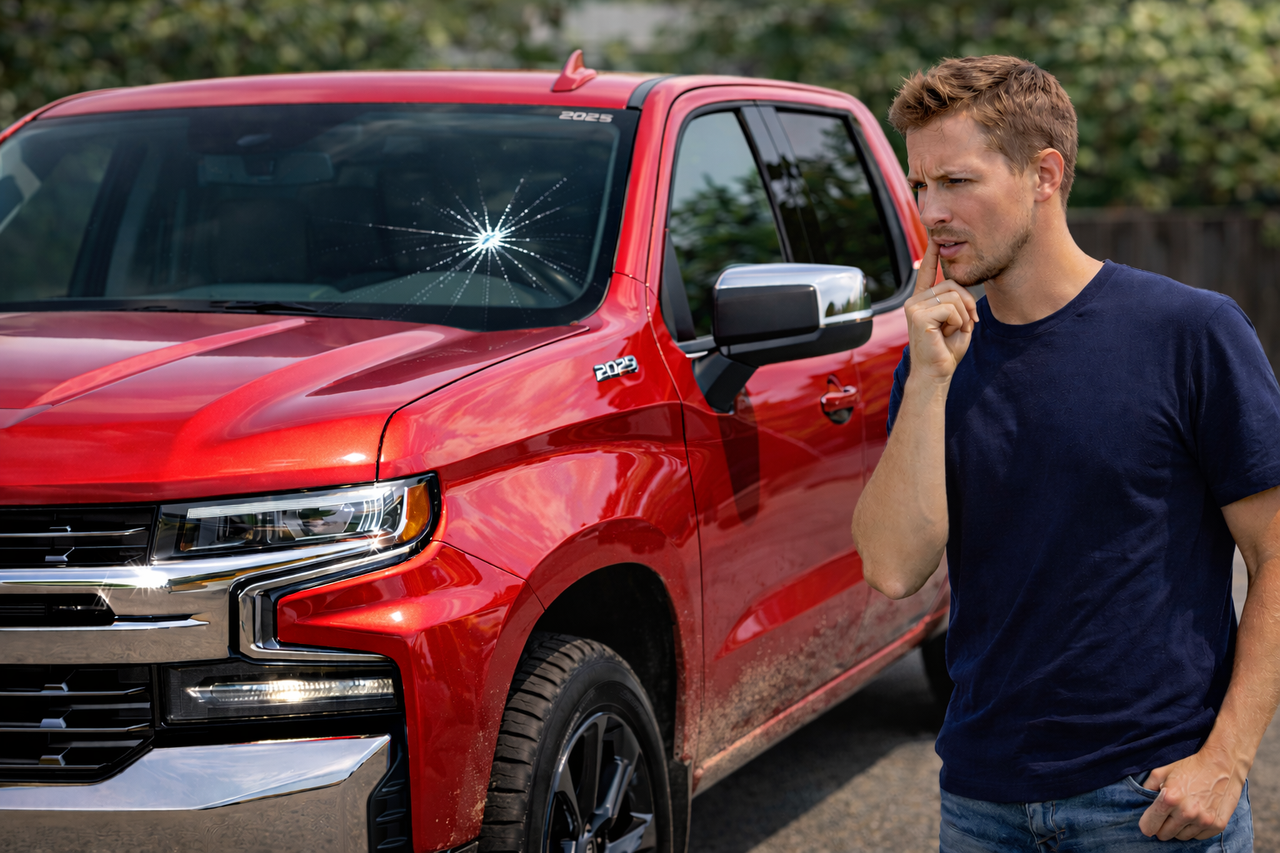
I spend a lot of time around cracked glass. Shops, mobile vans, windshields in every stage of damage. The most common conversation in Sanford starts with a small “ping” mark from I‑4 gravel or a chunk of limestone on 417. The driver glances at the tiny star in the corner of the windshield and wonders, do I need to deal with this now, or can it wait until next week? That decision matters more than it looks on day one.
The clock starts the moment the glass breaks
A fresh rock chip is a clean break. The resin used in professional repairs bonds well when the damage is new, the air pockets are small, and contamination is low. Wait a few days, and road dust, moisture, and the fine film from wiper fluid seep in. By the end of a hot Sanford afternoon, that chip has expanded microscopically. Park in the shade, drive into the sun, run the defroster on a cool morning, then hit mid‑day heat, the glass flexes and the crack branches a hair. The repair you could barely see on day one becomes a faint white vein by day three.
I’ve seen clean, coin‑sized bull’s‑eyes repaired in under 30 minutes with almost no trace when the customer called the same day. I’ve also had to explain why a week‑old star break turned into a 9‑inch crack after a car wash. The short answer to “How fast should you act?” is simple: within 24 to 48 hours if you can. The sooner the resin goes in, the higher the odds the repair looks good and stays stable.
What counts as a repairable rock chip
Technicians in sanford windshield repair will usually look for three things: size, placement, and type. Size is straightforward. Chips up to the size of a quarter, cracks under 6 inches, and small combination breaks are typically repairable. Once a crack passes 6 to 8 inches, or there are multiple legs radiating across the driver’s field of view, replacement starts to make more sense.
Placement matters too. If the chip sits directly in the critical visual zone where your eyes focus through the glass, some shops will advise replacement even if the size is repairable. Repairs leave a faint cosmetic mark, often similar to a small smudge or light reflection. That mark can be distracting if it sits right in your line of sight across a bright Florida afternoon. Edges are another caution. Damage at or within about 2 inches of the windshield edge is more likely to spread during normal body flex. Sanford roads, with frequent on‑ramps, speed changes, and those occasional brick drives, can stress glass at the edge.
Type is the third factor. Bull’s‑eyes and short star breaks respond well to vacuum‑and‑pressure resin injection. Half‑moons and surface chips with crushed glass may be repairable, but the final cosmetic result varies more. Long cracks or chips with missing glass often point toward sanford windshield replacement.
Sanford weather: why temperature swings push chips into cracks
Central Florida offers a specific set of conditions. Morning humidity, afternoon heat, and instant cooling during a storm. Glass expands with heat and contracts as it cools. Laminated windshield glass amplifies this effect differently between the outer and inner layers. On a summer day, I’ve measured a windshield surface temperature jump from 85 to 135 degrees in less than an hour when a car leaves a shaded garage and sits in a sunlit lot. Turn on the cold AC vents aimed at the inside surface, and you set up a temperature gradient across the laminate. That gradient pulls on the micro‑fissures around a chip.
Water makes it worse. A chip that looks stable can take in moisture. When heat builds, the moisture vaporizes and exerts pressure inside the break, the same way a tiny kettle blows off steam. I’ve watched a barely visible star pop a leg an inch long right after a sudden rain followed by sun. It is not dramatic, but it is costly.
If you’re looking for a local rule of thumb: a rock chip that sits through a week of typical Sanford weather has a noticeably higher chance of turning into a crack. Acting within a day or two cuts that risk way down.
Repair versus replacement: money, time, and safety
When the damage stays small, rock chip repair sanford costs substantially less than swapping the entire windshield. Repairs usually finish in 30 to 45 minutes of hands‑on time. You wait, the tech sets up the bridge tool, pulls a vacuum, injects resin, cures with UV, scrapes flush, and you’re on your way. Insurance in Florida often covers windshield repairs with minimal or zero out‑of‑pocket cost, especially for comprehensive policies, though coverage details change and you should verify with your carrier.
Sanford auto glass replacement is a different project. It can take 1.5 to 3 hours depending on the model, sensor calibration needs, and adhesive cure time. Modern vehicles frequently have ADAS features tucked behind the glass, such as lane‑keep cameras and automatic high‑beam sensors. When you replace the windshield, those systems sometimes need recalibration. Shops that handle sanford windshield replacement should be upfront about whether your make and model needs static calibration, dynamic calibration during a road test, or both. Calibration adds time and cost but keeps driver assistance features accurate.
From a safety standpoint, properly repaired chips preserve the structural integrity of the glass. If damage has spread across the passenger side, you might still be safe to drive short‑term, but that does not mean safe for long. The windshield contributes to roof strength, airbag deployment geometry, and occupant protection in a crash. A crack across the driver’s side that catches the sun can also impair vision. A good sanford auto glass repair shop will tell you when repair suffices, and when a cracked windshield sanford demands full replacement.
What a high‑quality repair looks like
Not all repairs are equal. A clean repair requires a controlled vacuum to pull air and moisture out, a fresh resin that matches the chip type and refractive index, and a proper UV cure. Some shops use pit fillers and polishing to leave a smooth exterior. If you catch the damage early, the repair often looks like a faint ghost outline only visible at a sharp angle. If the chip is older or contaminated, a light shadow may remain. What matters is that the break stops spreading. A reputable technician will manage expectations before starting.
I like to see three habits: a tech that explains whether the chip is repairable and why, a technician who refuses unsafe repairs in the driver’s primary viewing zone, and a warranty that says if the repair fails and spreads, the shop will credit the cost toward sanford windshield replacement. Many auto glass sanford providers offer that kind of guarantee.
When mobile service makes the difference
Sanford traffic is a reality, and so is a workday that does not allow time to sit at a shop. Mobile auto glass sanford services bridge that gap. A van comes to your office lot off Rinehart, your driveway in Lake Forest, or the parking deck near historic downtown. For rock chips, a mobile repair has almost no downside if the weather cooperates. Techs bring portable canopies to shield the windshield, which helps keep dust and direct sun off the resin during curing.
For replacement, sanford mobile windshield repair and replacement can still be convenient, but site conditions matter. A flat surface for proper adhesive setting, a clean area free from heavy windblown grit, and enough space to remove and install glass safely are all necessary. On wet days, some replacements need a shop environment. Ask the scheduler if today’s weather is suitable for on‑site work, especially with longer cure adhesives.
The insurance conversation that confuses most drivers
Florida has long had consumer‑friendly provisions around windshield claims. That said, policy terms vary. For many drivers, sanford auto glass repair for chips is covered without a deductible under comprehensive coverage. Replacement may also be covered, but if you carry a deductible, you’ll want to know the threshold. If the chip is repairable and free under your policy, waiting until it turns into a crack could convert a zero‑dollar fix into a deductible‑bearing replacement.
Some carriers prefer you to use their network. Good local shops usually participate and can handle the claim with a quick call. Authorization often takes less than ten minutes. If you have a specialty or luxury vehicle, ask whether the shop plans OEM or aftermarket glass. There are cases where aftermarket glass is fine and others where it creates fit or camera calibration challenges. This is where a seasoned sanford auto glass replacement team earns its keep.
What not to do after a chip
The instinct to poke at the chip with a fingernail or blow it out with compressed air is strong. Don’t. That drives debris deeper and can widen the surface. Avoid power washing the windshield, and try not to run the defroster on full blast right away. If you must drive, keep temperature changes gradual during the first day. Parking in the shade helps. A piece of clear packing tape placed gently over the chip can keep contamination out until a tech arrives, but make sure the glass is dry before applying it.
If you used a DIY resin kit before, you know the results are mixed. Those kits can stabilize minor stars, and in an emergency they’re better than leaving a chip open for weeks. The trade‑off is that once a kit’s resin fills the cavity, a professional cannot evacuate it easily. If the DIY resin sets poorly, the pro result worsens. When the chip is small and the car is a daily driver you plan to keep, calling a sanford mobile windshield repair service for a same‑day fix usually pays off.
Subtle signs a chip is turning into a crack
People think they will notice a dramatic line appear, but cracks often start as a faint, silvery edge growing from the chip. Tilt your head, catch the reflection, and you might see a line a quarter inch long on day one that lengthens a half inch by the weekend. On bumpy stretches near Lake Mary Boulevard, I’ve seen small legs from star breaks extend during a single commute. If you can feel the line with a fingernail on the outside, the crack has propagated through the outer layer. That puts you on the clock for replacement, not repair.
Another tell is wiper chatter over the damaged area during a drizzle. The blade catches ever so slightly where the surface is uneven. That means the pit is open and collecting grit and moisture that complicate repair. If you notice that, act fast.
How shops triage multiple chips and older windshields
If you have two or three small chips, a shop can often repair each in a single appointment. The cost per chip is usually lower than doing them separately. Once the number climbs or the windshield already has haze, pitting, or heavy sandblasting from years on I‑95, replacement becomes more economical. A windshield over 5 to 8 years old with extensive wear costs you more than money, it costs clarity. Light glare at night and rain performance degrade. In those cases, sanford windshield replacement with fresh glass and new wiper blades restores comfort and safety dramatically.
Special cases: luxury vehicles, ADAS, and heated windshields
High‑end and newer vehicles add complexity. Rain sensors, acoustic interlayers for cabin quiet, heads‑up display coatings, heated wiper zones, and camera brackets require specific glass. If you drive something like a late‑model SUV with lane centering, make sure your sanford auto glass replacement provider has the right calibration equipment and access to the correct glass. Some ADAS calibrations are dynamic, meaning a drive on marked roads at specified speeds while the system aligns. Others require targets on a level floor in a controlled bay. Expect a longer appointment and, in some cases, coordination with a dealership for final checks.
Heated windshields are another wrinkle. If the chip coincides with a heating element area, repair can still work, but the technician must confirm the element isn’t damaged. Replacement glass with the correct options avoids surprises like nonfunctional defrost strips or malfunctioning rain sensors.
Why quick action protects resale value
Buyers notice windshields. A clean glass surface signals care. Multiple repairs look fine cosmetically but can raise questions during a sale. Letting a chip turn into a crack and then replacing the windshield right before listing is better than selling a vehicle with a long crack, but you may be forced into aftermarket glass and lose OEM markings that some buyers and inspectors prefer. Early, professional sanford auto glass repair keeps options open. If your lease terms specify OEM glass for replacements or limit windshield damage allowances, quick repair avoids penalties.
Choosing a shop in Sanford without wasting a day
You have plenty of options for auto glass sanford. A few practical filters help. Look for:
- Same‑day or next‑day rock chip appointments, preferably with mobile service if your schedule is tight.
- Clear policies on repair versus replacement, including visual zone standards and warranties that credit repair cost toward replacement if the repair fails.
Those two checkpoints weed out most of the friction. Beyond that, ask how they handle sensor calibration, whether they stock glass for your model or need to order it, and how they coordinate insurance. A shop that texts appointment windows and arrives close to the promised time is worth keeping in your contacts.
A road‑tested timeline for handling a fresh chip
Here is a simple pattern that has worked for dozens of my customers over the years:
-
Same day: Photograph the chip in daylight, place clear tape over a dry surface if you cannot get to a shop, and call a sanford mobile windshield repair service. Ask for earliest availability and confirm insurance coverage if applicable.
-
Within 24 to 48 hours: Get the repair done. Avoid extreme temperature swings and car washes until then.
-
After repair: Wait the recommended cure time, often immediate for UV‑cured resins but follow the tech’s guidance. Keep the receipt and warranty in your glove box.
The economics, without the fluff
Let’s put rough numbers to the decision. A professional chip repair in the Sanford area commonly runs in the low three figures before insurance, often less. Many comprehensive plans cover it at zero cost. A windshield replacement ranges widely, from a few hundred dollars on a simple sedan to four figures for vehicles with sensors and special glass. Calibration can add another few hundred. The break‑even point between hoping a chip stays small and acting now is not close. The odds favor early repair every time.
What technicians wish drivers knew
Two practical insights come up constantly. First, the resin does not fill dirt. If a chip looks gray, it is already contaminated. Repairs still work, they just won’t disappear cosmetically. Second, edge cracks are unforgiving. If your chip sits near the black ceramic border, do not delay. The body flex at highway speeds can turn that chip into a foot‑long crack in a single drive. I’ve watched it happen on test routes near the Riverwalk when a car hit a pothole at moderate speed.
Finally, remember that the goal of a repair is structural stability first, appearance second. A good repair removes the air, bonds the glass, and prevents spreading. If it also looks nearly invisible, that’s a bonus you earn by acting early.
When replacement becomes the responsible choice
There are moments when repair is the wrong tool. A long crack running through the driver’s view, a chip that has spidered into multiple legs past 6 inches, or any damage that intersects the edge significantly calls for sanford car window replacement or full windshield replacement. If you hear creaking from the glass frame or see wind noise increase, the bond might be compromised. For side and rear windows, which are tempered rather than laminated, a crack usually means full sanford auto glass replacement because tempered glass does not repair the way laminated windshields do.
The safety angle is not marketing. The windshield is a structural component. In a rollover, proper adhesion and intact laminate help keep the roof geometry. In a frontal collision, passenger airbags often deploy upward and rebound off the windshield. A cracked windshield sanford can’t be trusted with those duties. If a shop recommends replacement in such scenarios, it’s not a sales tactic. It’s sound judgment.
Practical care after a replacement
If your day ends with a new windshield, follow the care tips. Avoid slamming doors for the first 24 hours so the pressure spike inside the cabin doesn’t disturb fresh urethane. Skip the car wash for a day. Leave tape in place until the shop’s specified time. If ADAS calibration was performed, pay attention on your first test drive. If lane lines display strangely or alerts behave oddly, call the shop. Recalibration can drift if tires are mismatched or if suspension work happened recently.
The local takeaway
Sanford’s mix of construction zones, summer storms, and daily heat cycles makes small windshield damage a now problem, not a later one. The difference between a 30‑minute fix on your lunch break and a half‑day replacement with calibration often comes down to whether you call a pro within two days of the chip. Reputable providers in sanford auto glass repair and sanford mobile windshield repair can meet you where you are, coordinate insurance, and keep your glass doing its job.
If you just heard the telltale tick on I‑4 and found a tiny star near the passenger side wiper, you don’t need to cancel your day. Take a photo, keep the area dry, and schedule a same‑day rock chip repair sanford. If the damage is larger or sits in your main view, mobile windshield repair sanford nc ask directly about replacement and calibration for your model. Either way, early action saves money, preserves safety, and keeps your windshield clear for the miles ahead.
Leave a Reply