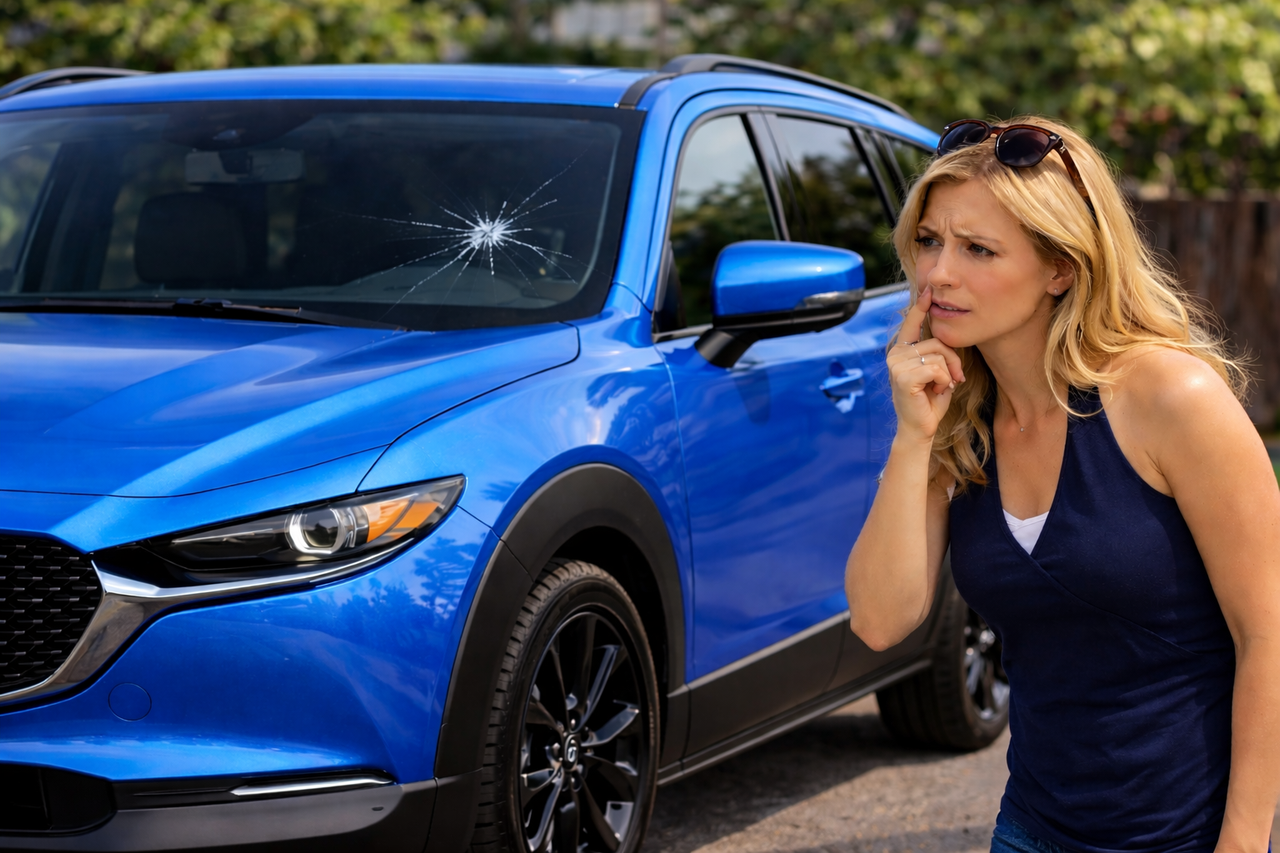
You notice the crack during a fuel stop, a faint white line creeping from the edge of the glass toward your line of sight. By the weekend it doubles in length. If you drive in Sanford, you’ve seen this movie before. Heat, summer storms, construction debris on 417 and I‑4, plus surprise gravel on county roads, all add up to a steady stream of rock chips and fractures. Mobile service makes the fix painless. The question most drivers wrestle with is whether they can trust the work, and what happens if the repair or replacement doesn’t hold.
Warranty terms and quality controls matter as much as convenience. This guide pulls together practical insight on what a solid guarantee looks like, where corner‑cutting shows up, and how to judge a mobile auto glass Sanford provider before you schedule the visit.
Why warranties matter more with mobile service
A shop has a controlled environment, a fixed schedule, and equipment that rarely moves. Mobile technicians work in driveways, parking lots, and sometimes on the shoulder of a quiet street. They contend with wind gusts, pollen, and 95‑degree heat. Good crews can manage all that, but it raises the stakes for process discipline and warranty protection.
Mobile providers in Sanford typically offer same‑day or next‑day slots for sanford windshield repair and sanford windshield replacement. The quick turn helps, because a chip caught early can be repaired in 20 to 30 minutes and costs a fraction of a new windshield. The tradeoff is that environmental conditions may pull the technician off a planned repair and into a replacement if the crack runs or the resin won’t cure cleanly. Warranties protect you when these judgment calls don’t go as planned.
A legitimate warranty isn’t just a marketing line. It allocates risk. If a rock chip repair fails, the shop should either redo it or credit the cost toward replacement. If a new windshield leaks or the Advanced Driver Assistance Systems (ADAS) features misbehave, they should fix it at their expense. You shouldn’t have to argue to get that outcome.
The two parts of a strong auto glass warranty
When you read warranty language, separate material coverage from workmanship coverage. Glass can be flawless and still leak if the urethane bead is wrong. Conversely, the install can be textbook, but the glass itself may have a distortion in the viewing area.
Material coverage speaks to the glass, moldings, clips, and adhesives. Workmanship covers the steps taken to fit and bond those materials.
-
What a thorough material warranty includes A credible provider backs OEM or high‑quality aftermarket glass, urethane that meets Federal Motor Vehicle Safety Standard 212/208 requirements, and any necessary moldings. Material defects are rare, but they show up as optical distortion (a waviness when you scan a stop sign through the passenger side), laminate blemishes, or delamination over time. Good shops specify brands for both glass and urethane so you can research them. Look for adhesives from manufacturers like Sika, Dow, or 3M with a clearly stated Safe Drive Away Time at a defined temperature and humidity.
-
What a thorough workmanship warranty includes This is where most mobile auto glass Sanford customers feel the difference. A proper workmanship guarantee covers wind noise at highway speed, water leaks, trim fitment, and stress cracks at the edge that appear shortly after installation. On ADAS‑equipped cars, it also covers calibration and the road manners of those systems after the install.
Many Sanford auto glass replacement vendors call their warranties “lifetime.” Read the fine print. “Lifetime” should refer to your ownership of the vehicle, not the expected life of the glass. Exclusions will exist, and that’s fine if they’re reasonable: new damage from impacts or accidents, rust under the pinch weld that prevents proper adhesion, or customer‑supplied glass. What you don’t want is phrasing that voids coverage for normal driving or a clause that caps repair attempts at one visit without escalation.
How mobile conditions affect quality, and how good crews manage it
I’ve watched excellent technicians set up a clean work zone in a breezy parking lot and produce cleaner installs than some shops manage indoors. They get there by treating process as non‑negotiable. Here are the practical moves that protect quality in Sanford’s climate.
Site selection and prep. Parking nose‑in to a building to break wind, a portable canopy to control debris, floor mats to keep glass particles off your driveway, and a lint‑free wipe of the pinch weld before primer. If the forecast calls for storms or the day tops 95 with high humidity, they schedule your slot to align with the adhesive’s cure profile. The best crews carry a thermometer and hygrometer, not just a guess about weather.
Glass handling and adhesive cure. Urethane cure times are chemistry, not opinion. The label states Safe Drive Away Time at a specific temperature and humidity. For example, a product might cure to crash‑worthy strength in 60 minutes at 73 degrees and 50 percent humidity, but require two hours on a humid Sanford afternoon. Solid operators explain this and put a dash tag on the windshield with your safe drive time.
Protection of interior surfaces and electronics. Dash covers, tape on the A‑pillars to hold trim, and battery support if calibration tools are in play. I’ve seen techs connect a voltage maintainer to keep ECU voltage steady during dynamic calibration. That detail prevents glitches when the car relearns lane‑keep or adaptive cruise behavior.
Rust and contamination control. Older vehicles and coastal air can mean hidden corrosion under the old urethane. Cutting corners here introduces leaks later. When a technician finds rust, they should show you, clean and prime it, or recommend body work if it’s advanced. Masking and primer discipline matter more outside, where pollen and dust travel.
If a provider can’t describe these steps without hesitation, keep looking.
ADAS, calibration, and what “warranty” should cover
Many 2016 and newer vehicles use a windshield‑mounted camera for lane centering, automatic emergency braking, or traffic sign recognition. Replace the glass and the camera’s relationship to the road changes by a few millimeters. Calibration resets that mapping.
Sanford auto glass repair teams generally use one of two calibration methods. Static calibration involves a target board set at precise distances on a level surface. Dynamic calibration uses a scan tool while you drive a defined route at set speeds, letting the system learn. Some vehicles require both. Parking garages, uneven apartment lots, or tight downtown spots can complicate static calibration. A pro will ask about your location, then plan to complete calibration at a partner site if needed.
A quality guarantee on ADAS includes:
-
A clear statement that calibration is included in the replacement price when required by the manufacturer, along with documentation after completion.
-
Post‑install validation, not just a cleared error code. The tech should test lane‑keep, forward collision warning, or adaptive cruise, and confirm no related dash lights remain.
-
Coverage for calibration‑related issues that appear within a reasonable window, such as 30 to 90 days. If the camera drifts or an update resets values, you shouldn’t pay for a redo unless another collision or glass replacement occurred.
If a shop tells you calibration is “optional,” ask them to show you the service manual for your car. windshield calibration sanford Most makers mandate it after windshield replacement. Skipping this step can shift liability onto you.
Repair or replace: choosing the right path for a cracked windshield in Sanford
Small chips can be stabilized so they never spread. Long cracks usually demand replacement. The gray area stops drivers cold. A good sanford mobile windshield repair tech will assess the chip type, size, and location before touching tools.
Bullseye and combination chips no larger than a quarter, and short cracks under about six inches, tend to respond to resin injection. Chips that pierce both layers of the laminate are poor candidates. Damage in the driver’s primary viewing area deserves caution, because even the best repair can leave a faint blemish. Florida’s heat accelerates crack growth, particularly after a cool night and sudden defrost cycle. If you woke to a one‑inch chip near the edge that is now three inches, replacement avoids a headache later.
Warranty terms should mirror those realities. Many sanford windshield repair providers warrant chip repairs against further cracking for as long as you own the vehicle. If the damage spreads, they credit the original repair cost toward sanford windshield replacement. That is fair for both sides. Ask how long after repair a new crack counts as a failure, because unrelated damage can occur weeks later. Most shops draw the line at fresh impact points versus propagation from the original site.
OEM or aftermarket glass: quality differences that matter
Drivers hear conflicting advice about OEM glass. In practice, both OEM and high‑tier aftermarket parts can be excellent. The fit, clarity, and acoustic properties vary by brand and by vehicle. High‑end European cars and vehicles with complex head‑up display coatings are more sensitive to part choice. Many domestic and Japanese models do well with premium aftermarket glass from established manufacturers.
What you want is transparency. A sanford auto glass replacement estimate should specify the part brand, the presence of acoustic interlayers, and any ADAS bracket or rain sensor compatibility. If you prefer OEM for a car under warranty or lease, say so. Insurance policies sometimes cover OEM if you pay the difference. A shop’s warranty should cover either path if installed properly. If they disclaim aftermarket glass or push it without discussion, ask why, then weigh the answer against your vehicle’s needs.
What “quality” looks like when the tech packs up
It’s easy to miss small flaws when you’re eager to get back on the road. Take a minute to inspect. Look straight through the glass at a distant object; subtle waviness indicates optical distortion. Run a gentle stream of water over the perimeter and watch for bubbles or seepage at the headliner. Drive at 45 to 55 mph and listen for a whistle near the A‑pillars. Glance at the camera housing and sensor covers to confirm they sit flush.
The interior should be clean. No urethane smears, no loose clips, no trim gaps. On a chip repair, expect improved cosmetics but not invisibility. The primary goal is structural: to halt crack growth and restore some clarity. On a replacement, expect factory‑level fit. If anything feels off, call the shop while it’s fresh. Quality‑minded teams schedule a quick revisit rather than debate over the phone.
Insurance, glass coverage, and the fine print that affects warranties
Florida policies often include separate glass coverage with no deductible, and many insurers allow you to choose the vendor. Direct billing makes life easier, yet it can complicate warranty claims if the initial authorization came through a network administrator that steers work to a preferred list.
Ask the provider how they handle warranty work when insurance paid the original invoice. The answer you want is simple: you call them, they fix it, and they handle any back‑end paperwork. If they tell you to call your insurer first, expect delays. Keep your original work order and the warranty statement in your glove box or email. If you sell the car, a transferable workmanship warranty is a nice detail, though not common.
Be careful with “assignment of benefits” (AOB) documents. Legitimate shops use limited assignments to bill insurers. Overbroad AOBs can complicate your ability to manage issues. Read before you sign. Reputable auto glass sanford providers keep it narrow and explain it without pressure.
Common failure modes and how warranties address them
Most post‑install issues fall into a few buckets. Understanding them helps you talk clearly with the provider if something goes wrong.
Water leaks at the corners or top edge. Usually a bonding or trim fit issue. A shop should test and seal this quickly. If rust under the pinch weld prevents adhesion, a proper fix may require body work. Quality warranties exclude pre‑existing rust but include resealing if the prep was inadequate.
Wind noise at highway speed. Sometimes the glass sits a millimeter high or low. On vehicles with thick acoustic glass, even a small misalignment can whistle. A meticulous tech can adjust molding and, if needed, reseat the glass. Warranty coverage should include noise remediation.
Stress cracks near the edge within days of install. These often result from uneven urethane bead height or premature vehicle movement before complete cure. With proper cure time guidance and immobilization tape left in place, they rarely occur. If they do, the provider should replace the glass at their cost.
Sensor or ADAS errors. A loose camera bracket, an incomplete calibration, or a battery voltage dip can cause intermittent faults. A good shop will recalibrate and road test, not blame your commute. If codes persist, they should work with a dealer or specialist, again at their cost if the install caused the issue.
Cosmetic flaws in the glass itself. Distortion, seeds (tiny bubbles), or scratches should be caught before delivery. If you spot them later, most material warranties allow a window to swap the part. That window is shorter than workmanship coverage, so inspect immediately.
Evaluating a Sanford provider before you book
There’s no shortage of choices for sanford auto glass repair, mobile or shop‑based. Price is only one part of the decision. Time saved by a mobile visit shouldn’t cost you rework later. When you call, notice how the conversation goes.
Do they ask about the exact damage or jump to a replacement quote? Do they discuss chip repair options for a rock chip repair Sanford request, or push replacement without seeing the car? A balanced shop will describe both, then decide after inspection.
Can they name the glass and urethane brands they plan to use? Vague answers here often signal low‑bid sourcing. Specifics suggest consistent supply.
Do they handle sanford car window replacement for back and side glass with tempered parts in stock, or only windshields? A full‑line provider has the systems to support warranties across vehicle types.
Will they come to your worksite or apartment, and what conditions do they require? A thoughtful answer shows respect for process. “Anytime, anywhere” sounds convenient, but an honest tech will avoid high‑risk spots that compromise quality.
Are they comfortable explaining their ADAS plan? If your vehicle has a camera behind the mirror, you want a clear path: static, dynamic, or dealer calibration, with proof of completion.
Finally, ask them to email the warranty terms. Read them. Good shops are proud of the language. You’ll see strong workmanship coverage, reasonable exclusions, and straightforward contact steps if something breaks.
Mobile versus shop installation: when to choose each
Mobile suits most chip repairs and many replacements. If the car has complex ADAS, a large windshield with head‑up display, or known rust issues, a shop visit can be the better call. Static calibration requires level floors and precise distances. Humidity in Sanford summers complicates fast cure times without temperature control. A shop mitigates those variables.
Think in terms of control. For a basic cracked windshield Sanford scenario on a late‑model sedan without cameras, a mobile replacement with a robust warranty is efficient. For a European SUV with heated glass, acoustic interlayer, and two cameras, ask if they prefer shop installation. A mature provider will steer you appropriately rather than promise perfection on a windy street.
What to expect on the day of service
From the first knock on your door to the final cleanup, the flow tells you a lot about the team’s standards.
They verify the VIN and part before removing anything. This avoids the dreadful moment when trim is off and the wrong glass arrives. They photograph the damage and the surrounding area, both for insurance and to document pre‑existing scratches or rust.
On a chip repair, they shield the surrounding paint, drill if necessary to open the impact point, and draw vacuum with a bridge tool before injecting resin. After curing under UV light, they scrape level and polish. Expect a modest cosmetic improvement and a significant structural one. Good shops still warranty against spread, which is the real win.
On sanford windshield replacement, they cut the old urethane cleanly, avoid nicking the paint, dry fit the new glass, prime, and lay a uniform bead. After placement, they align trim, reinstall sensors, and start calibration if needed. You’ll get a safe drive time, care instructions like avoiding car washes for a day, and a quick walkthrough of the warranty. If the job was billed through insurance, they should confirm nothing else is required from you.
Cost signals and how they relate to guarantees
Prices vary by model and part choice. A typical chip repair runs roughly the cost of a tank of gas, sometimes less when bundled for fleet vehicles. Windshield replacements range widely, from a few hundred dollars for basic models to over a thousand for vehicles with acoustic glass, rain sensors, heating elements, and camera mounts. Mobile service fees, if any, are usually modest in the Sanford area or waived entirely.
A rock‑bottom quote paired with a “lifetime warranty” can be a red flag if the shop changes names every year. Warranties are only as strong as the business behind them. You’re paying for the likelihood that they’ll still be around to honor it. An outfit that invests in calibration gear, trained staff, and reputable materials charges accordingly. The premium buys a warranty you’ll likely never need.
How to use the warranty without headaches
If you do need the warranty, make it easy for the shop to help you. Keep the work order in your email or glove box. Describe the issue clearly: “Water drips from the top left in a car wash” or “Lane departure light flickers on the turnpike.” Offer a photo or video when relevant. Good teams triage fast when the signal is clear.
Give them a fair chance to correct the issue before leaving a one‑star review. In the auto glass world, the difference between an annoying leak and a non‑event is often a 20‑minute reseal. If they deflect or delay, that’s different. Professional providers prioritize warranty calls because they know reputation lives or dies on those interactions.
Where the Sanford market shines
Sanford’s mix of commuters, fleet vans, and weekend boat‑towers shapes the local craft. Many crews have deep practice with domestic pickups, crossovers, and work trucks, and they carry common windshields on the truck for same‑day sanford auto glass replacement. The mobile model fits a city where a lot of folks can’t spare a half‑day at a shop.
I’ve seen crews coordinate two‑car chip clinics in company lots, handling eight or ten repairs in a morning. That kind of service keeps small chips from turning into cracked windshields and expensive claims. It also tests a warranty system in real time, because if a repair fails, the same tech sees it on the next visit and makes it right. That feedback loop improves technique more than any manual.
Final checks before you book
Use a quick checklist to evaluate your options without overthinking it.
-
Ask for written warranty terms covering both materials and workmanship, including ADAS calibration where applicable.
-
Confirm glass and adhesive brands, plus Safe Drive Away Time based on Sanford conditions that day.
-
Discuss repair versus replacement candidly, especially for damage near the driver’s viewing area.
-
Verify how warranty claims are handled when insurance pays the bill and whether you call the shop directly.
-
Ensure the provider has a clear plan for calibration, either mobile or in‑shop, and provides documentation after.
If a provider answers these points without hedging, you’re likely in good hands.
Quality work and strong guarantees go together. The best sanford mobile windshield repair teams do not hide behind fine print. They invest in parts that make warranty claims rare, train techs to read the weather as carefully as the service manual, and show up again if something isn’t right. That confidence is the real convenience: knowing you won’t think about your glass again until the next pebble jumps the median. With a little due diligence, you get the speed of mobile service, the safety of a factory‑tight install, and the peace of mind that a warranty actually backed by a responsive team brings.
Leave a Reply