Fleet managers in Sanford face a constant tug-of-war between uptime and safety. Windshield cracks and door glass failures don’t respect delivery windows or service routes, and they rarely happen near a convenient shop. The better approach is to build auto glass into your fleet maintenance plan so that a chip stays a chip, a crack doesn’t ground a vehicle for days, and a replacement happens without derailing your schedule. That’s the mindset behind effective Sanford auto glass replacement programs, whether you run ten units or a few hundred.
This guide walks through how fleets in the Sanford area typically handle windshield and door glass issues, where mobile service makes sense, how to choose vendors, and the practical details that reduce downtime. I’ve folded in lessons learned from real dispatch calendars, not just a parts catalog.
How fleets actually break glass
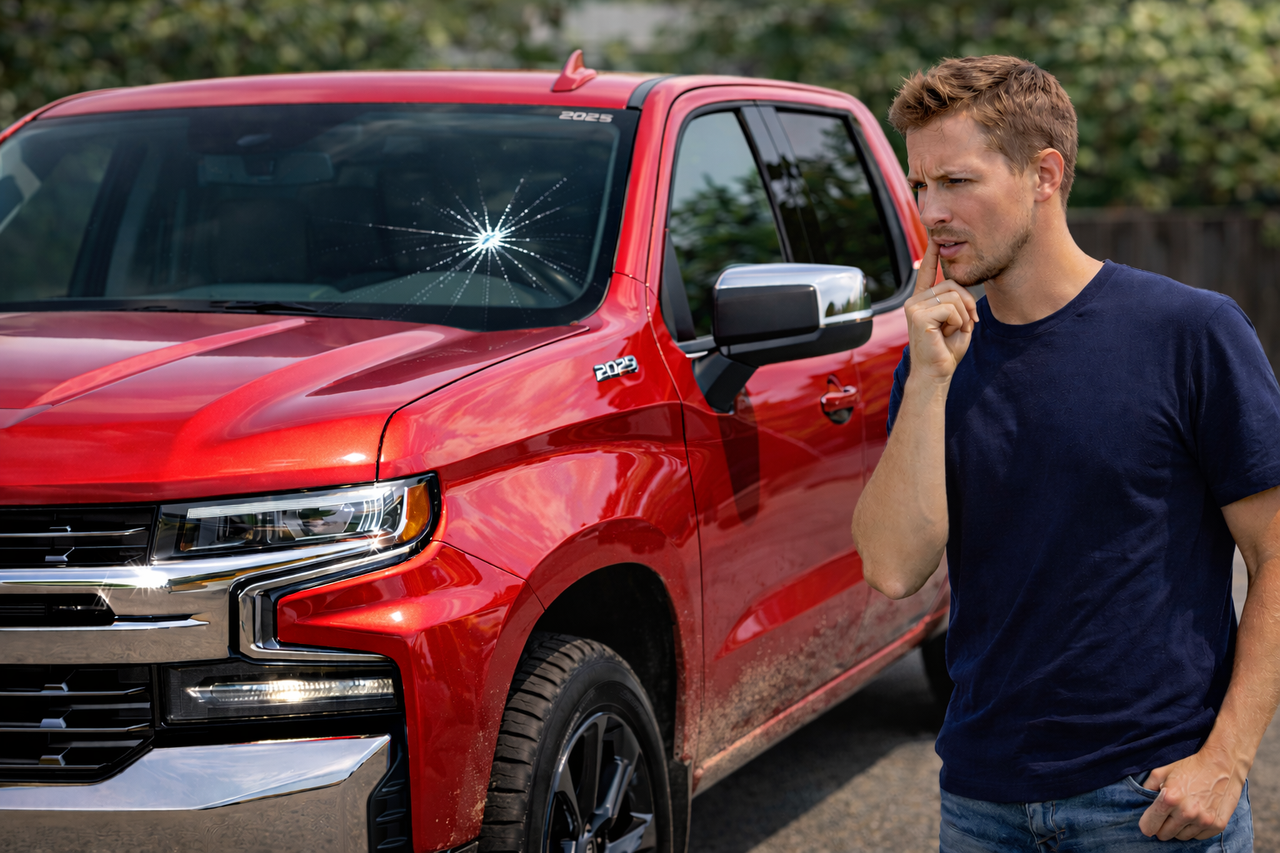
Most fleet glass damage falls into three buckets. First, rock strikes on highways and connector roads. Between I-4, 417, and the US-17/92 corridor, loose aggregate from construction trucks and uncovered loads is predictably the top cause of cracked windshield Sanford calls. Second, break-ins in mixed-use lots or after-hours depots, which turn into Sanford car window replacement orders for tempered side glass. Third, stress cracks and wiper gouges that creep up on vehicles with old or pitted windshields.
An operations manager in Sanford will see seasonal swings. After heavy rains, trucks kick up debris from the shoulder. During pollen season, hurried wipe-downs with dry towels leave micro-scratches that worsen glare and invite cracks. Route density matters too. Vehicles doing frequent short hops on Sanford’s older surface streets pick up more rock chips than units living on the interstate.
That context drives your mix of services. You will need both Sanford windshield repair for minor chips and full Sanford windshield replacement for damaged laminated glass. Door and quarter windows fail differently and often require on-site cleanup along with new glass. Roof and back glass depend on the body style of your fleet, and the availability of heated or antenna-integrated options.
Repair versus replacement, with numbers that matter
If you catch a rock chip early, a proper resin injection adds strength and stops the crack from propagating. Sanford auto glass repair vendors commonly handle star breaks and bulls-eyes up to the size of a quarter. Expect a repair to take about 20 to 30 minutes per vehicle, and it can be done in a parking lot without power. The key is keeping the break clean and dry. Once moisture, dirt, or cleaning chemicals seep into the laminate, the repair quality drops fast.
Replacement is warranted when the damage sits in the driver’s primary field of view, when a crack branches to an edge, or when ADAS sensors mounted to the windshield could be compromised. In Florida, insurance policies often include glass coverage with no deductible for repair and sometimes for replacement. Even if the coverage is generous, fleets still weigh the hidden costs: a replacement usually ties up a vehicle for 90 minutes to 2 hours plus cure time for the adhesive, and on ADAS-equipped units, you should budget time for calibration.
A simple rule that works in the field: any chip near the center of the driver’s vision gets evaluated for repair same day. Any crack that touches the black ceramic band or runs wider than a credit card’s width goes straight to sanford auto glass replacement, not repair. The mistake to avoid is scheduling a repair for a borderline crack, only to need a replacement two days later. That doubles downtime.
The ADAS wrinkle: calibration is not optional
Most late-model fleet vehicles use forward-facing cameras and sensors bonded to or viewing through the windshield. Lane keep assist, adaptive cruise, and emergency braking all rely on accurate alignment. If the glass is replaced, the camera mount is disturbed, and the visual distortion characteristics change with the new glass. You must calibrate.
There are two approaches in Sanford. Static calibration uses targets and an alignment bay, and mobile providers increasingly carry portable target kits. Dynamic calibration relies on a specific driving routine at certain speeds and road conditions, guided by a scan tool. Many vehicles require both. Build calibration into your workflow and your expectations. On a good day, mobile calibration adds 30 to 60 minutes. On some makes, you will still need a shop visit if the environment is unsuitable or if error codes persist. Trying to skip calibration because the vehicle seems to drive fine is a liability risk and a recipe for nuisance faults later.
When evaluating sanford mobile windshield repair and replacement vendors, ask how they handle ADAS. Are their technicians certified on your models? Can they produce calibration reports? Do they have coverage for makes with radar behind the glass or heated camera brackets? A confident yes saves you call-backs.
Mobile service, depot service, and when to use each
Mobile auto glass Sanford providers have changed the downtime math for fleets. A two-van swing through your yard can clear six to ten vehicles by lunch, especially if you’ve pre-checked part numbers. But mobile isn’t always the best answer. Static ADAS calibrations, bonded quarter glass on certain vans, and complex urethane sets may run smoother in a controlled bay.
Use mobile for routine rock chip repair Sanford work, common windshields without exotic trim, and tempered side glass replacements where cleanup is needed right at the scene. Use a shop or a vendor’s depot for vehicles that need heavy rain testing, leak diagnosis, specialty moldings, or when a calibration requires perfect lighting and a level floor.
Fleets with mixed classes often run a blended model. Light-duty vans and sedans get mobile service at the yard. Heavy trucks and specialty bodies head to a partner shop on pre-planned days, combined with other maintenance tasks. The goal is to accumulate enough glass work to justify a block on the schedule without leaving vehicles waiting for parts.
Building a predictable pipeline: scheduling and triage
Dispatch chaos shrinks when you put structure around glass events. Start with intake. Train drivers to photograph damage immediately, including a wide shot for location and a close-up with a coin for scale. Moisture and contamination are the enemy, so issue vented stickers that cover chips and keep the area clean until the tech arrives. A five-dollar roll of chip saver dots can save hundreds in replacements.
From there, designate a point person who decides, within two hours, whether a unit gets sanford windshield repair or sanford windshield replacement. The decision flow should consider driver visibility, chip size, proximity to edges, and workloads for the next shift. If the vehicle has ADAS, the default is replacement plus calibration whenever a crack crosses the sweep of the camera’s view.
Route the easy wins to mobile. Stack jobs geographically. If your fleet is distributed across Sanford, Lake Mary, and Heathrow, group mobile stops with a realistic buffer for traffic on I-4 and seasonal roadwork on 46. Keep a spare slot late afternoon for last-minute break-ins. Communicate adhesive cure times to dispatch. Many modern urethanes achieve safe drive-away times in 30 minutes to an hour depending on temperature and humidity, but that window is not universal. Ask your vendor to specify the exact safe drive-away time for each install and note it in your dispatch board.
Parts, VINs, and the perils of “almost right”
Windshields used to be one part number per trim. Now they carry rain sensors, humidity sensors, acoustic interlayers, infrared coatings, heated wiper parks, and embedded antennas. The difference is subtle, and installing the wrong glass can leave you chasing ghost issues like sensor errors or radio interference. Make it policy to pull the full VIN and option codes before ordering. Vendors can decode these to the precise part. On fleets with consistent spec, you can pre-stage common part numbers, but confirm when mid-year changes occur.
For side and rear glass, tint levels matter. Replacing a sliding door glass with a mismatched tint looks unprofessional and can run afoul of policy. If your fleet brand standards call for a uniform privacy level, communicate that to your sanford auto glass replacement partner and keep a record of the chosen glass codes.
When availability tightens, especially after storms, decide whether to accept an equivalent aftermarket windshield or wait for OEM. High-end ADAS setups can be fussy with aftermarket optics. Many fleets use OEM for vehicles under warranty or with complex cameras, and high-quality aftermarket for older units. The cost delta ranges from modest to significant. Anchor that choice to your calibration success rate and a track record, not just a price sheet.
Safety, liability, and the small steps that avert big problems
A windshield is a structural component. It helps airbags deploy correctly and contributes to roof crush resistance. The quality of the urethane bond and the cleanliness of the pinch weld matter as much as the glass itself. Insist on techs who replace molding and clips rather than reusing brittle parts. Ask about their primer system and whether they follow the urethane manufacturer’s safe drive-away time. These details influence whether that glass stays put in a crash.
For break-in events, document the scene. If tempered glass shattered in Sanford Auto Glass the cab, vacuuming alone can miss shards in seat rails and door cavities. A mobile team that carries compressed air, panel tools, and protective coverings cleans faster and safer. Driver injuries from lingering slivers are rare but real. A meticulous cleanup prevents them.
Weather plays its part in Sanford. Afternoon storms roll in fast. Technicians need shelters or pop-up canopies to keep bonding surfaces dry. If the glass or pinch weld gets wet mid-install, the adhesive’s cure and adhesion can suffer. Build a weather contingency into your scheduling. When a storm line is imminent, reshuffle to quick chip repairs under cover and push replacements to the window after the rain.
Insurance and billing that doesn’t slow you down
Florida’s glass coverage rules often make windshield claims straightforward, but fleets still wrestle with paperwork. The easy path is to authorize your vendor to handle claim submission under your policy, with your fleet ID and unit numbers. The vendor attaches photos, damage notes, and calibration reports. You receive a consolidated invoice matched to unit IDs and mileage, not a stack of one-off tickets.
Be clear on deductibles for side and rear glass. Some policies only waive deductibles for windshields. For break-ins, consider whether to claim at all. Many fleets absorb the cost of sanford car window replacement for smaller incidents to avoid claim tallies that might nudge premiums. A reasonable internal threshold helps your managers decide quickly.
If you use maintenance management platforms, integrate. Electronic authorizations prevent phone tag, and having unit history at a glance keeps you from replacing a borderline windshield twice in a year because three drivers complained about glare. You can tie glass events to driver safety metrics too. Frequent chips on a specific route or shift can signal tailgating or following too closely behind gravel trucks.
Vendor selection: more than a logo on a van
One provider might excel at high-volume mobile auto glass Sanford runs, another at ADAS-rich fleet vans, and a third at heavy trucks. In Sanford and the surrounding metro, it’s common for fleets to maintain a primary and a secondary partner. Ask for their fill rates, not just their price. The best price means little if the right glass isn’t on hand for a week.
Look for response time commitments for emergency board-ups and after-hours break-ins. If your vehicles stage overnight in mixed lots, you’ll need a partner who can secure a unit the same night and return with glass in the morning. Probe their calibration capabilities with specifics: brands covered, scan tools used, and whether they can provide printouts for your records.
Strong vendors have disciplined parts identification. They will request VINs, photos of sensor clusters, and the DOT numbers on the existing windshield. They will also be clear when an aftermarket piece is not appropriate for a certain ADAS configuration. That candor pays off in fewer reworks.
The economics of downtime
A windshield replacement might cost a few hundred dollars, but the bigger line item is the hour or two your vehicle is parked. For delivery fleets that average 12 to 18 stops per hour, a single idle hour can mean 15 missed deliveries and unhappy customers. Against that, a sanford mobile windshield repair appointment scheduled at 6 a.m. in your yard can pay for itself several times over.
Quantify downtime. If a route generates $120 to $180 of gross margin per hour, then shaving 45 minutes from a glass event is worth $90 or more. Compare that to price differences between OEM and aftermarket on a straightforward windshield, often in the $75 to $200 range. The smarter play is to choose the option that gets you back on the road reliably, then control costs across the year with prevention.
Preventive steps matter. Rotate aging windshields out before rainy season if the pitting triggers glare complaints. Equip drivers with chip patches and train them to use them. Set a threshold for automatic sanford windshield repair within 24 hours of a reported chip, no questions asked. The conversion rate from chip to crack is highest in the first few weeks, especially with temperature swings from midday heat to evening storms.
Mobile workflows that respect your operation
The best mobile teams work like an extension of your yard crew. They show up with their own power, water, and waste handling. They text ETA updates and will route themselves to the far corner of your lot so you can keep launching vehicles without weaving around a service van.
A practical workflow looks like this. Your dispatcher sends a morning roster of unit IDs, parking positions, and needed services: two rock chip repair Sanford requests, three sanford windshield replacement jobs, and a driver-side window on a box truck. The vendor preloads glass and adhesives based on VIN decoding done the day before. First priority is the box truck’s side glass so it can join the first route wave. While adhesives cure, techs handle chip repairs across units that don’t leave until late morning. Windshields finish mid-morning and get post-install checks. Calibration runs are scheduled during the lull between route launches, using a level stretch of your rear lot or the vendor’s targets set up in an open bay.
If a cure time pushes up against a dispatch deadline, the vendor flags it. You keep a spare unit ready, or you swap routes. No surprises.
Common pitfalls and how to avoid them
A few mistakes crop up repeatedly. Reusing old molding to save a few dollars leads to wind noise and water leaks a week later. Skipping a pinch weld cleaning step results in adhesive failure in hot weather. Accepting “camera looks good” without a calibration printout invites mystery dash lights during a summer downpour. Promote a culture of doing it right the first time.
Another trap is chasing the lowest line-item price on glass while losing hours to part misorders. The $40 savings evaporate when a driver sits. If your vendor doesn’t insist on VIN-based part identification, you will pay for it later. Likewise, neglecting tint matching on side glass undermines your fleet’s professional appearance, especially if your vehicles carry branding.
Finally, drivers often downplay small chips to avoid downtime. Make chip triage painless. A standing rule that chip repair counts as paid time at the start of a shift, done on-site, removes the incentive to ignore it.
Weather, heat, and Florida-specific realities
Sanford summers are hot, humid, and storm-prone. Adhesives behave differently in 93-degree heat with 70 percent humidity than in a dry 60-degree morning. Experienced techs adjust open time and cure expectations. They also know to shade the work, let vehicle interiors cool for a few minutes when stepping from a cold cabin to blazing sun, and avoid trapping moisture under the frit band.
Pollen season brings another quirk. Fine pollen granules contaminate the bond if the surface prep is rushed. It takes a few extra minutes to clean thoroughly, and skipping that step shows up later as an edge lift or wind noise. Give your vendor the breathing room to follow their process, and they will save you repeat visits.
A quick, workable checklist for fleet managers
Use the following as a lightweight reference you can hand to your team.
- Train drivers to report glass damage immediately with photos and to apply chip saver dots.
- Decide within two hours: repair or replace, and schedule mobile service aligned with route launches.
- Always calibrate ADAS after windshield replacement, and keep calibration reports on file.
- Require VIN-based part identification and confirm tint and sensor options before ordering.
- Track downtime costs and prioritize scheduling that minimizes idle hours over small part cost differences.
Local knowledge: routes, timing, and access
Sanford traffic patterns matter. Morning southbound on 417 moves fast, then bogs down near the Lake Jesup bridge during incidents. If your yard sits near the airport or along 46, time mobile service windows to avoid the heaviest peak. Vendors who know how to navigate event days at the civic center and weekends by the riverwalk will hit fewer delays. Give clear access instructions to your lots, designate a service area with shade if possible, and share gate codes in a secure way so your techs aren’t stuck waiting.
For multi-site fleets with satellite parking in Lake Monroe or Midway, batch visits so a single truck serves all nearby sites in one sweep. If vehicles park in garages or covered structures, confirm rack clearance for roof glass and back glass handling.
Bringing it all together
A dependable glass program in Sanford rides on a few habits and a couple of strong partners. Catch chips fast, and your sanford windshield repair volume will outpace replacements. When replacement is necessary, lean on vendors equipped for ADAS calibration and precise parts matching. Use sanford mobile windshield repair and replacement for routine work at your yard, and send the edge cases to a controlled bay. Track downtime like a cost line, not an afterthought. And don’t let weather or hurry erode adhesion and safety standards.
When you treat glass the way you treat tires and brakes, with a steady rhythm and clear rules, it stops being a fire drill. Vehicles launch on time, drivers see clearly, and customers never notice the quiet efficiency behind the scenes. That is the goal of a modern Sanford auto glass replacement strategy built for fleets: simple, reliable, and woven into your daily operations so your team can focus on what actually earns revenue, not on a shard of grit that bounced off a bumper on I-4.
Leave a Reply