Windshields rarely fail all at once. More often, they deteriorate in stages you can see and hear if you know what to look for. A faint whistle on I‑4 becomes a steady hiss at 60 mph. A small edge crack spreads like a hairline in porcelain when the afternoon sun bakes the glass, then a rainstorm finds its way through the urethane and your passenger carpet is damp the next morning. I have fielded calls from Sanford drivers who treated those signs as annoyances, only to end up dealing with soaked electronics, moldy insulation, and sightlines that make night driving feel like staring through a fogged shower door.
This is a practical guide for when to choose repair over replacement, how to tell a leak from a glass defect, and what to expect from a proper windshield installation in Sanford’s climate. It draws on years spent working with sanford auto glass repair teams and seeing the downstream consequences of hasty jobs. If you’re weighing sanford windshield repair versus full replacement, or you need mobile auto glass sanford service that comes to your driveway, the details below will save you time and prevent repeat work.
Visibility problems rarely start and end with the glass
People usually point to a crack or chip, yet the larger hazard is light scatter. Even shallow pitting from highway grit can throw halogen and LED headlights into starbursts. In daylight you barely notice it. At night or in rain, micro‑pits and wiper abrasion turn oncoming lights into glare, which reduces contrast and depth perception. If your windshield has 40,000 to 70,000 miles of Florida sun and sandblasting on it, you might not see obvious defects but your eyes work harder.
A quick way to judge: at night, park under a streetlight and move your head side to side while looking through the glass. If the light blooms or streaks across wide areas, the outer ply is fatigued. Another check on a bright day is to wash and dry the windshield, then wet it again with a spray bottle. Persistent hazy bands that do not change with water or cleaner are often etching, not film. Glass polishing compounds can improve minor haze, but once the surface is significantly abraded, sanford windshield replacement is the safer path.
Leaks tell on themselves if you know where to look
Not every wet floorboard is a windshield leak. Clogged sunroof drains, air conditioner condensate aimed at the wrong place, or a failed cabin filter housing can all drip into the same footwell. Before you call for sanford auto glass replacement, isolate the culprit.
Here’s a compact checklist that helps separate glass leaks from other intrusions:
- After a car wash, check the headliner corners and A‑pillar trim for dampness or water tracks. Water here points to a windshield or sunroof perimeter issue.
- Inspect the cowl area at the base of the windshield for leaves and grit. A blocked cowl can divert water into the cabin even if the glass is sealed.
- Use painter’s tape to mask the windshield perimeter, leaving small “windows” every 8 to 12 inches, then hose gently. Water appearing only at a specific window location indicates a localized urethane gap.
- If you have a sunroof, pour a small cup of water into the front drain channels. If it shows up in the footwell, clear the drains first before blaming the glass.
- On hot days, look for a faint urethane odor or chemical smell after washing. It often comes from a compromised or poorly cured seal letting moisture evaporate into the cabin.
Edge leaks often present as wind noise first. A high‑pitch whistle that shifts with crosswinds suggests a gap in the urethane bead or a mispositioned molding. If you hear a bass note or flutter at speed around 40 to 50 mph, the outer trim might be lifting. Either way, noise is your early warning before water makes a mess.
When repair makes sense, and when it doesn’t
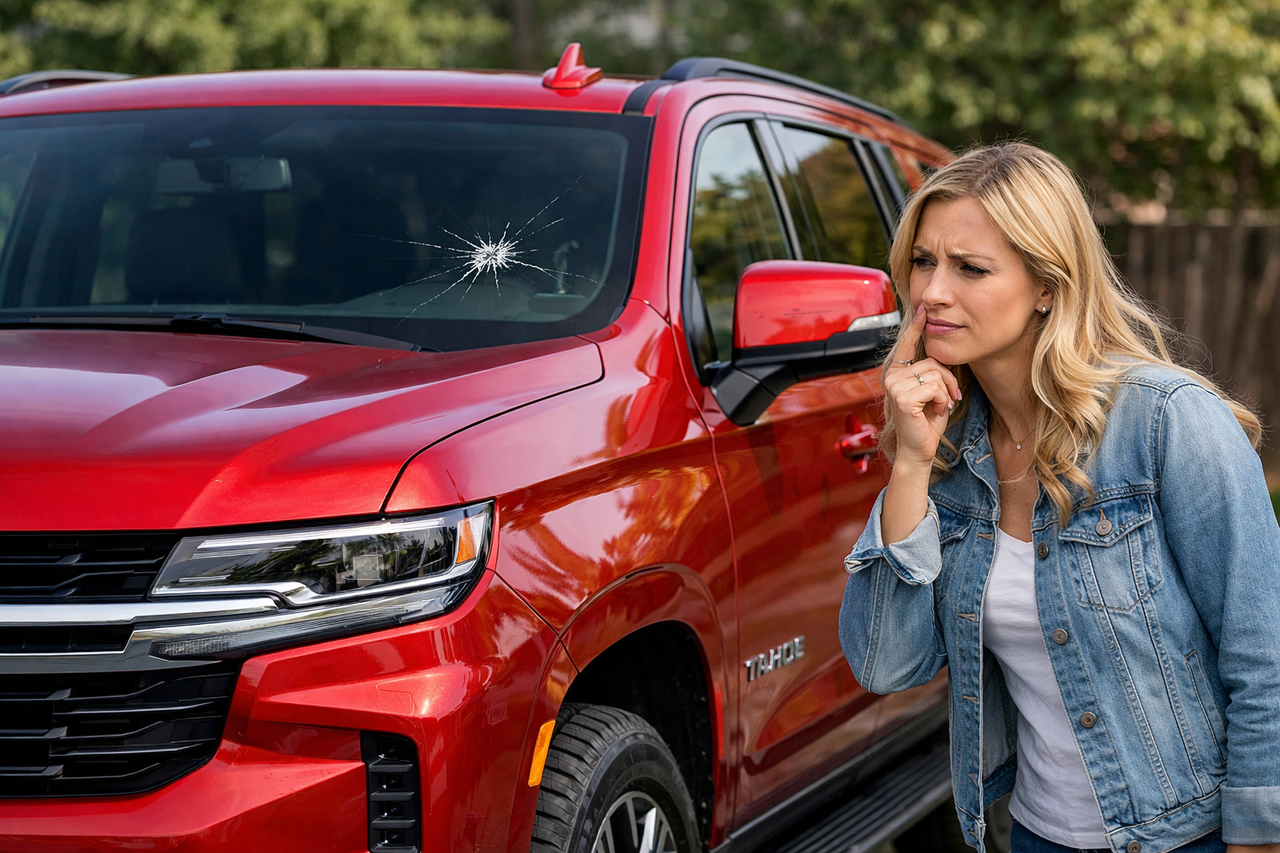
Rock chips and short cracks can be stabilized with resin injection. In practice, rock chip repair sanford techs can arrest a bull’s‑eye or star break up to a quarter in diameter if the damage is outside the critical viewing area. The key is speed. A chip that sits for weeks collects moisture and dust, which reduces the clarity of the finished repair. If you can schedule same‑day service, your odds of a nearly invisible fix go up.
Cracks are trickier. A cracked windshield sanford drivers bring in often starts under the wiper sweep and travels toward the edge. Heat accelerates this, especially in summer when cabin temperatures spike. Most reputable sanford mobile windshield repair operations will attempt a drill‑and‑fill stop on cracks under 6 inches, sometimes up to 12, but only if the crack is not in the driver’s primary field of view and not touching the edge. An edge crack compromises the structural role of the windshield, which means repair is a temporary patch at best.
There are two other repair limiters to keep in mind. First, vehicles with cameras and sensors for lane keeping, automatic braking, and rain detection rely on optical clarity near the camera housing. Any damage in that area usually tips the decision to replacement. Second, laminated glass delamination, which appears as milky or rainbow bands near the edges, cannot be repaired. That’s a bond failure between the glass plies and the interlayer, and once it starts, it spreads.
What a proper replacement looks like, step by step
Not every installation is equal. If I had to diagnose most leak callbacks in Sanford, a third come down to shortcuts during prep. The rest trace to poor primer timing or wrong urethane selection for humidity and temperature.
A solid sanford auto glass replacement job follows a rhythm. The technician protects the interior, disconnects any sensors or mirror electronics, and safely cuts out the old glass without gouging the pinch weld. Almost every leak I’ve seen after replacement had visible scratches in the body channel. Bare metal plus moisture equals corrosion. Corroded channels undermine urethane adhesion over time.
Once the old glass is out, the tech trims the old urethane to a uniform thin layer. Cleanliness matters. Any dust or hand oils in the bonding area reduce adhesion. Dedicated glass cleaner and lint‑free towels, not household products, should be used. Primers go on both the glass frit and any exposed metal after scuffing. Each primer has a working window, often 10 to 15 minutes before windshield calibration sanford urethane application in Florida’s humidity. Rushing or waiting too long both cause problems.
For urethane, summer in Sanford gets sticky. High‑modulus, fast‑cure urethanes rated for warm, humid environments are not optional. The technician should check batch dates and use a V‑notch bead for uniform laydown. Then comes setting. Manual sets can be accurate, but with ADAS cameras, a setting device improves placement within millimeters of spec. Glass centered too low or twisted diagonally stresses moldings and opens pathways for air.
Cure time depends on product and conditions. Safe drive‑away times can be as quick as 30 minutes with premium urethanes, but one to two hours is common. Ask for the cure specs used. If it’s a rainy day, a mobile auto glass sanford install may require a canopy or garage to keep the bonding surfaces dry. Moisture on the pinch weld or glass frit is a classic cause of slow leaks that show up weeks later.
The ADAS calibration piece that trips people up
Modern windshields are part of a larger system. Cameras for lane departure, adaptive cruise, and automatic emergency braking look through a defined arc of glass. Even if the glass appears identical, minor optical differences and the new camera angle call for recalibration. On many vehicles, you need a static target board setup, a level floor, and controlled distances. Others allow dynamic calibration on a road drive at specified speeds and conditions. Skip this, and you may get ghost warnings, missed lane markings, or a system that quietly disables itself.
Quality shops either perform calibration in‑house or coordinate with a local facility the same day. If the installer dodges the topic or says your vehicle “probably doesn’t need it,” check your owner’s manual or the service information for your model year. A sanford windshield replacement that ignores calibration is incomplete.
Choosing between OEM, OEE, and aftermarket glass
Not all glass is equal. OEM glass carries the vehicle manufacturer’s branding and tends to match optical properties and frit patterns perfectly. OEE, or original equipment equivalent, comes from the same or similar suppliers without the automaker logo. Aftermarket glass varies widely. I’ve seen excellent aftermarket windshields and some that introduce subtle distortion along the edges, especially visible on straight lines and traffic lights.
Here’s how I frame the decision with customers. If your car has cameras and heads‑up display, or you’re sensitive to night glare, lean toward OEM or a high‑grade OEE known to play well with the sensors. If your vehicle is older, without driver assist systems, a reputable aftermarket option can be a good value. The price difference ranges from modest to steep depending on the make. For many common models in Sanford, the delta might be $100 to $300. For luxury brands, it can be several times that.
Be wary of anyone forcing you into a cheaper glass without discussing trade‑offs. A small upfront savings can cost more if you fight persistent glare or need repeat calibration. If you carry comprehensive insurance, a quality shop can navigate sanford auto glass repair or replacement through your insurer and keep your out‑of‑pocket to the deductible, sometimes zero for glass in Florida depending on current policy terms.
Mobile service versus shop service
Sanford mobile windshield repair has grown for good reasons. Schedules are tight, and a chipped windshield doesn’t need a day off work to fix. For replacements, mobile can be just as good, provided the tech has weather protection and time. Florida’s humidity and surprise showers punish rushed mobile installs. A garage, a carport, or a pop‑up canopy creates the controlled environment urethane needs.
When conditions are poor, a shop bay wins. Dust, pollen, and wind contaminate surfaces. If your vehicle needs static ADAS calibration, a shop is the right venue because the targets and floor must be set precisely. For a simple rock chip repair sanford techs handle in a parking lot without issue. For a full replacement on a rainy afternoon or a model with complex sensors, schedule a shop appointment.
Preventing leaks and visibility problems before they start
Maintenance helps more than people think. Wiper blades carve microscopic arcs across your glass every day. Old blades pick up grit and grind it in. Replace blades every 6 to 12 months. Avoid using the wipers to scrape frost or remove sand after a storm. Rinse first. Park out of direct afternoon sun when possible. Heat cycling accelerates stress cracks from small chips, especially at the edges.
Clean with a two‑towel method, one dedicated to glass cleaner, one dry towel to polish. Household ammonia cleaners can be harsh on window tints and degrade rubber seals over time. Use an automotive glass cleaner, and occasionally clay the windshield with a fine detailing clay to lift stubborn film. If your commute runs along construction zones on 417 or 17‑92, leave extra space behind gravel trucks and fresh chip‑seal sections. Most of the chips I see happen within 50 feet of a dump truck pulling away from a stop.
What a leak costs if you wait
A slow drip looks harmless until electronics get involved. Body control modules and harness junctions often sit under carpet near the kick panels. After two or three soak cycles, copper oxidizes, connectors turn green, and intermittent gremlins begin. I’ve seen power window switches fail a month after a known windshield leak. Mold creeps in behind the dash insulation. By the time you notice a musty smell, the foam is saturated. Drying a cabin properly is labor intensive. Seats, sill plates, and carpet need to come out, and fans run for a day or more. On a compact sedan, that’s several hundred dollars. On a modern SUV with more electronics under the carpet, it can hit four figures.
Replacing sooner costs less. A sanford car window replacement for a side glass can be done quickly if the regulator is intact, but if water has corroded the regulator or switchgear, the bill grows. For windshields, a clean remove and install with sound prep rarely leaks. A repairable chip caught early is the cheapest scenario of all.
How to vet a local shop without playing roulette
You don’t need insider knowledge, just a few pointed questions. Ask what urethane brand they use and the safe drive‑away time under current weather. A pro answers specifically, not vaguely. Ask whether they trim urethane to a thin film or strip to bare metal. Trimming to a film is the correct method because it preserves a bonded layer that new urethane adheres to. Inquire about rust treatment if they find scratches in the pinch weld. That tells you whether they plan for real‑world surprises.
If your car has ADAS, ask how they handle calibration. Do they do it in‑house, partner with a local calibrator the same day, or send you to a dealership? None of those is wrong, but a clear process beats hand‑waving. Finally, ask about their warranty on leaks and wind noise. Good sanford auto glass repair shops back their sealing work for the life of the vehicle ownership, knowing that correct prep and materials make callbacks rare.
Special notes for older vehicles and classics
Older cars can have hidden rust under the glass, especially around the upper corners where water sits. A quick cut‑out can reveal brown edges that crumble when touched. At that point, the job pauses and becomes minor bodywork. Rushing glass over rust invites leaks and glass movement. If you own a classic in Sanford, plan for inspection time and potentially a day or two of rust remediation. Sourcing the right molding clips matters too. Improvised clips and silicone are red flags. Silicone is a sealant, not a structural adhesive, and does not belong in the bond path.
Insurance, costs, and realistic timelines
For many Florida policies, glass claims fall under comprehensive and may carry reduced or zero deductible terms, but policies change. Call your insurer to confirm before scheduling. A straightforward sanford windshield replacement on a common model with no calibration can be completed in 60 to 90 minutes plus cure time. With calibration, plan two to four hours. Luxury vehicles and those with heated windshields, acoustic interlayers, or rain‑sensing housings take longer simply due to component transfer and calibration steps.
Pricing varies by glass type. For a typical sedan, quality OEE glass might run a few hundred dollars installed. OEM can add 30 to 60 percent. Camera calibration is an additional line item. Mobile service sometimes carries a small convenience fee, though many shops in the area price it the same to stay competitive. If a quote seems far below the pack, press for details on glass brand and calibration. A low number often omits those.
When a repair can backfire on visibility
A good chip repair stabilizes the break, but you will still see a faint shadow. If the damage is centered in your daytime sightline, that shadow can be distracting. Worse, if the impact cone has crushed the outer ply, the filled resin may never achieve optical clarity. I’ve advised customers to replace rather than repair when a chip sits at eye level and they drive a lot at night. Conversely, a quarter‑sized star break near the passenger side that fills cleanly is an easy yes for repair. The judgment call is not just structural, it’s visual.
Another edge case is a short crack that seems harmless. If it sits within the area the passenger airbag relies on for deflection off the windshield, structural integrity matters. The windshield supports the airbag’s shape during deployment. A compromised bond or edge crack can alter that support. In these cases, replacement is more than cosmetic, it’s safety.
Practical aftercare that prevents do‑overs
After a new windshield, treat the first 24 to 48 hours as curing time insurance. Avoid slamming doors with all windows closed. The pressure spikes can push a fresh urethane bead into gaps. Leave a small window cracked if the cabin is hot. Skip high‑pressure car washes for a day or two. Light rain is usually fine once the urethane skins, but direct spray on moldings right away is unhelpful. If a piece of molding seems to pop or whistle, call the shop sooner, not later. A five‑minute adjustment now beats living with wind noise for months.
For ongoing care, keep the cowl drains clear, replace cabin air filters on schedule so water is not drawn onto saturated media, and use a silicone‑safe rubber conditioner on door and windshield moldings a few times a year to keep them supple. Small habits pay off in leak prevention.
Where mobile service shines, and where it doesn’t
Mobile is perfect for rock chip repair sanford drivers need at work or home. It’s also excellent for simple replacements in stable weather on vehicles without complex calibration. An experienced mobile tech arrives with glass stands, primer, urethane, and setting tools, and can execute cleanly on a driveway.
Mobile falls short when the job requires diagnostic tools or controlled calibration targets. It also struggles on blustery days when pollen clouds float through Sanford neighborhoods and stick to everything. If the forecast is unsettled or your vehicle is sensor‑heavy, book the shop. Quality shops offer both options and will steer you to the setting that fits your vehicle and the day’s conditions.
The quiet test drive that answers everything
After an installation, the best validation is a careful drive. Start at neighborhood speeds with the HVAC off and windows up. Listen around the A‑pillars and top edge for any hiss. Increase speed on a familiar stretch of 46 or 417 and keep listening. Wind noise telegraphs position. If you hear a faint note that disappears when you pass a semi or turn your head slightly, you likely have a molding lift or localized gap. Back at home, a gentle hose test along the perimeter confirms it. Good shops welcome that feedback and correct it quickly.
Visibility checks are equally simple. Drive at dusk against oncoming traffic and judge glare and streaking. If you feel like the night bloom is worse than before, talk to the shop about the glass brand and whether another option would reduce scatter. Some interlayers and coatings perform better with LED headlights than others.
Local realities that shape smart choices
Sanford’s heat, humidity, and sudden storms mean materials and timing matter more than in a dry climate. The urethane that works fine in Phoenix may skin too quickly on a July afternoon here, trapping solvents under the surface. Experienced sanford windshield replacement teams select products with the right open times and moisture tolerance. They also schedule mobile jobs early in the day to beat afternoon downpours, or they advise shop installs when the forecast is risky. That judgment call comes from doing the work locally, season after season.
Traffic patterns matter too. Construction zones along I‑4 and regional corridors throw more aggregate onto windshields. If you drive those routes daily, budget for a chip repair or two each year. Getting them fixed quickly is part of owning a car in this region, like rotating tires or changing wiper blades. If you keep putting off a small repair, you increase the chance you’ll need a full replacement after the crack runs during a hot lunch break.
Bringing it all together
If you’re facing leaks or visibility issues, begin with a careful inspection and a realistic appraisal of safety. For a clean chip outside the main sightline, a sanford windshield repair done promptly restores strength and keeps the factory seal intact. For edge cracks, advanced driver assistance cameras, or widespread pitting that makes night driving stressful, a sanford windshield replacement is the safer move. Choose a shop that respects prep work, uses the right urethane for our climate, and takes calibration seriously.
Convenience matters, which is why mobile auto glass sanford options are invaluable, but not at the expense of a controlled environment when the job demands it. With the right partner, you’ll get a quiet cabin in the rain, clear sightlines under harsh Florida sun, and no surprises months later. That’s the benchmark I hold for any sanford auto glass repair or sanford car window replacement: an install so uneventful you don’t think about it again, even on a stormy night when you finally notice you can hear your music, not the wind.
Leave a Reply