Fresh glass makes a car feel new again. Edges line up, reflections sharpen, and road noise often drops a notch. Then comes the practical question that every shop in Charlotte hears daily: how long should I wait before running the car through a wash? The short answer is usually 24 to 48 hours for high-pressure or automatic washes, depending on the adhesive and the style of wash. But that compressed guidance doesn’t explain why the wait matters, what exceptions make sense, and how Charlotte’s particular climate can speed up or slow down the cure that keeps your windshield in place when it counts.
I’ve handled and advised on thousands of windshield replacements and repairs across the Carolinas. The recommendations below reflect what manufacturers specify, what insurance adjusters look for after a claim, and what I’ve seen hold up after months of rain, summer sun, and the occasional freeze. Whether you searched for Charlotte Auto Glass because a rock jumped off I-77 or you’re comparing an Auto Glass Charlotte quote with a mobile installer, use this as a practical reference you can lean on and share.
What “cure time” really means
Every modern windshield is held in by a structural adhesive, almost always a moisture-curing polyurethane. Think of it like a high-strength rubber that goes from a soft gel to an impact-absorbing barrier over a predictable timeline. Cure time has two parts you’ll see on spec sheets: Safe Drive-Away Time and full cure.
Safe Drive-Away Time is when the adhesive has reached enough strength that the airbags and windshield can work together in a collision. In Charlotte’s spring and summer, that window can be as short as 30 minutes to an hour with warm temperatures and decent humidity. In colder or very dry conditions, rock chip repair Charlotte NC 28299 it stretches longer, sometimes two to four hours, especially for slower-curing urethanes. Full cure takes longer, typically several days, and that’s when the last pockets of solvent escape and the bond reaches its designed elasticity.
Why does this matter for a car wash? High-pressure spray and brush contact create localized forces and water intrusion at the moldings and edges. If the bead hasn’t skinned over and set, water and detergents can get where they shouldn’t or, in extreme cases, the glass can shift by a fraction of a millimeter. You won’t notice a change right away, but that small movement can create a wind whistle at highway speed or a leak line that appears on the first hard rain.
The baseline answer: how long to wait
For most replacements in the Charlotte area using quality urethane and standard installation practices, here are defensible timeframes based on real-world performance and manufacturer guidance.
Hand wash by bucket and mitt without direct edge pressure: safe after 24 hours in mild weather. Keep the hose stream gentle, avoid blasting the perimeter, and skip any wax that requires a power washer to rinse.
Touchless automatic wash: safe after 48 hours. Touchless systems rely on higher water pressure and aggressive detergents to compensate for no brushes. Those two factors are the exact stresses you want to avoid early on.
Brush-style tunnel wash: wait at least 72 hours. Bristles and wraps reach over the roofline and tug at moldings. If your urethane and primer system are fast-cure and the day is warm and humid, you might get away with 48 hours. I have seen enough post-wash leaks after a rushed tunnel visit that three days is the conservative, low-risk call.
Ceramic coat or paint protection film application near the glass edges: five to seven days. Not because these services directly touch the urethane, but installers may tape along the cowl and A-pillars, apply solvents, and use steam or heat. Give the adhesive time to move past the green stage.
Rain is usually fine as soon as you leave the shop and can actually help a moisture-cure urethane. Natural rainfall lacks the pressure and detergents that cause trouble. If a summer storm hits your new glass an hour after install, don’t panic.
What changes when it’s Charlotte
If you’re new to the area, Charlotte’s climate gives you warm, humid summers and cool swings in the shoulder seasons. Humidity is your friend for urethane. Moisture in the air accelerates the skin-over and deeper cure. Heat helps too, up to a point. The sticky, 90-degree July afternoons you’d rather avoid are the same days your windshield tends to set fast and strong.
Cold mornings and dry indoor installs slow everything down. A garage kept at 60 degrees with a space heater running can make adhesives take double the time compared to an 80-degree day. When our nights dip into the 30s, I extend wash guidance by half a day. The difference between 36 and 66 degrees feels like nothing to you, but the urethane’s chemistry acts more like molasses in the cold.
Wind plays a small role as well. A stiff breeze across fresh bead edges can encourage premature skinning, then trap solvents underneath. That is not a catastrophe, but it can leave the bead slightly more vulnerable to strong detergents. Charlotte’s spring fronts can produce gusty conditions that interact with outdoor mobile installs. Ask your installer where the vehicle sat during the cure and whether they shielded the glass.
Replacement versus repair
Chip repairs use a different technology. A UV-cured resin fills the chipped area through a vacuum and pressure cycle, then a UV lamp or sunlight sets the resin within minutes. Once cured and polished, a repaired chip can get wet right away. No need to wait days. That said, skip high-pressure at the chip site for a day to avoid dislodging any residual pit filler that hasn’t fully hardened.
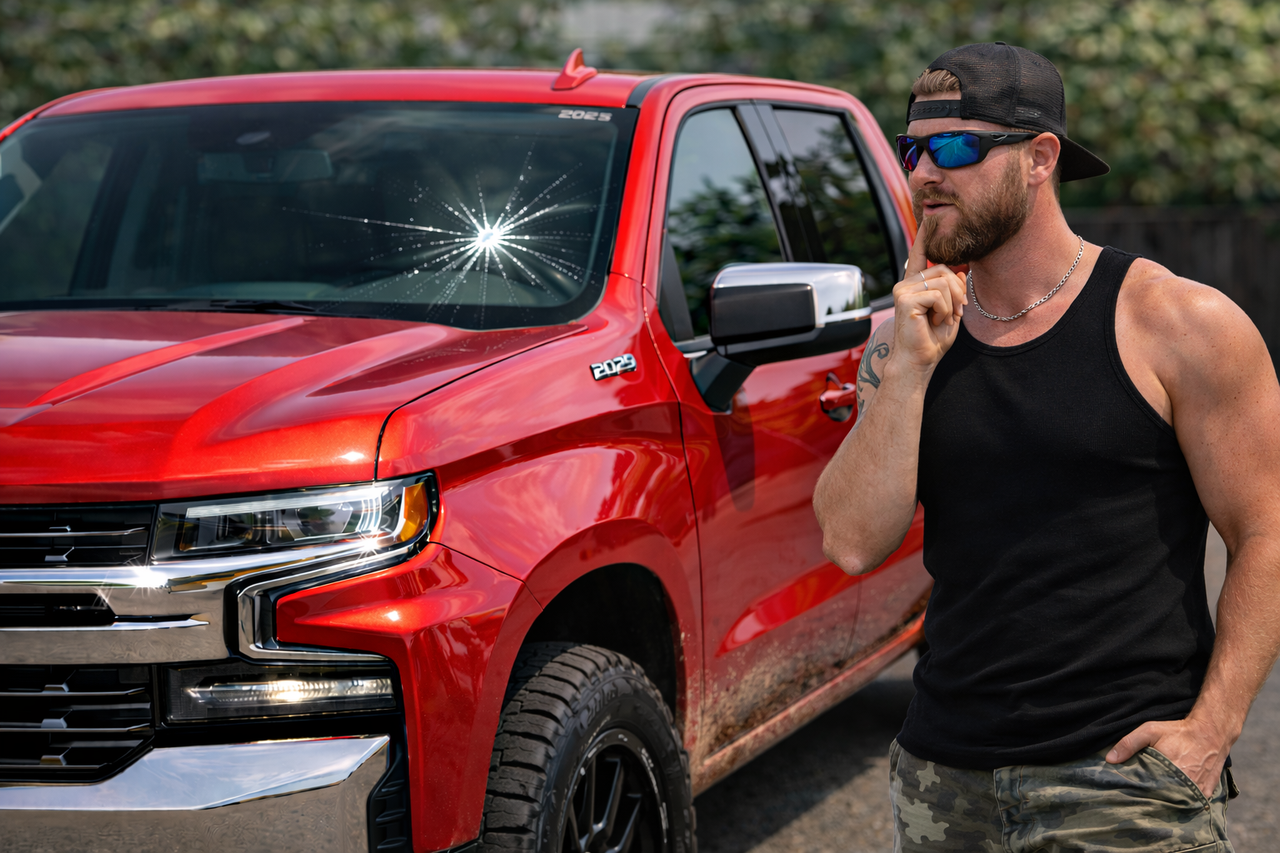
If you have a long crack repair, which some shops still attempt with resin bridges, be gentle for 24 hours. These longer fills are more sensitive to flex and heat. Most Charlotte Auto Glass pros will recommend replacement if a crack is in the driver’s sweep or near the edge because the risk of growth under heat is too high.
The quiet risks of washing too soon
Let’s talk about what actually fails when a wash happens before the adhesive is ready. It isn’t like the windshield falls out. Instead, subtle things shift or wick water.
Edge leaks show up first. The cowl area along the bottom of the glass hides gaps under the plastic trim. If high-pressure water hits that seam within the first day or two, you can create a channel. You might not see the leak until the next storm or a wash with a stronger nozzle. The telltale signs are damp carpeting on the passenger side, fogging inside the windshield that lingers, or a musty odor after a week.
Wind noise is second. If the glass settles a hair lower against the pinch weld, the gap to the roof molding can open by a hair’s breadth. At 60 miles per hour, that hair turns into a whistle. Technicians can correct this by resealing the perimeter, but it’s an extra visit you could avoid by waiting an extra day.
Sensor and camera issues come third, though less often from wash timing and more from moisture intrusion around the bracket area. Many modern cars house ADAS cameras behind the glass. Rushing a wash shouldn’t knock a camera out of alignment, but water forced around the rain sensor gel or camera shroud can confuse the system until it dries. If your model requires calibration after replacement, verify it with a test drive before you visit a wash.
How shops decide their guidance
Not all advice comes from a laminated sign on the counter. Good shops tailor recommendations to the adhesive brand and the day’s conditions. Two installers on the same street might use different adhesives with distinct cure curves. The fastest systems boast 30-minute Safe Drive-Away Times and decent early green strength, but almost all still recommend no high-pressure water for 24 to 48 hours.
Mobile jobs add variables. If the car sits outside after install and a cold front rolls in, the cure slows. When customers call for a Charlotte Windshield Quote or ask for an Auto Glass Quote Charlotte, we build in these environmental factors. A rainy, warm afternoon is often easier on cure than a crisp, clear morning where humidity sagged into the 30s. If your schedule forces an early wash, tell the shop up front. They can choose a faster system and adjust primers to hedge against that constraint.
What counts as “high pressure”
Garden hoses vary widely. A wide fan pattern from a household hose is vastly different than a concentrated jet from a nozzle that could carve mud off a truck bed. Commercial touchless washes use pressures in the 800 to 1200 psi range or higher, coupled with caustic detergents. Gas station wand bays can hit 1000 to 2000 psi at the tip, depending on maintenance and settings. All of those are a no-go in the first 24 to 48 hours for a fresh windshield.
Hand washing is safer because you control the flow and where it lands. Aim water so it sheets down the glass rather than up under the moldings. Skip the brush-on-a-stick stations for a few days because bristles can catch the lower edge trim and pull.
Practical steps for the first two days
Sometimes life doesn’t wait. Maybe you’re detailing the car for a sale, or the pollen has coated everything yellow overnight. Here’s a compact plan that balances cleanliness with safety.
- Day 0 to Day 1: dry wipe the glass with a clean microfiber to remove pollen and dust. If you must use water, lightly mist the glass and wipe. Avoid soaking the cowl or directing any spray at moldings. Keep the interior dry, especially if your installer left the windows cracked to relieve pressure.
- Day 2: do a gentle hand wash. Use a low-pressure hose, a pH-neutral shampoo, and a soft mitt. Rinse from the top, letting water flow downward. Avoid circular scrubbing at the edges. Dry with light pressure.
- Day 3 and beyond: return to your normal routine. Automatic washes are acceptable if your shop didn’t flag any exceptions.
This simple sequence solves 90 percent of early-post-install needs without risking an edge leak or noise. If a shop applied exterior tape along the A-pillars or roof, let it be for the first day. That tape helps hold moldings flat while the adhesive skins over. It is not decoration, and pulling it off early doesn’t win you anything.
Special cases worth noting
Vintage cars and urethane alternatives. Some restorations still use butyl or specialty sealers that do not behave like modern urethane. Butyl never truly cures, it stays tacky. With these cars, water intrusion risk is higher at any time, and you should avoid high-pressure washes entirely. Hand wash with care or use a pro detailer who understands classic seals.
Heated windshields and heavy electronics. A heated element in the glass, common in some European models, does not change the wash timeline but can bring moisture concerns if the lower edge was disturbed. Check that all connectors click firmly into place and that the shop tested the defog feature. Waiting the full 48 hours for auto washes is wise because electronics and detergents mix poorly.
Trucks with oversized cowl panels. Some pickups and SUVs rely on long cowl clips and seals that require a precise bedding. These vehicles are the ones I see most sensitive to brush tunnels within 48 hours. Water can push along the entire bottom edge and find the one clip not fully seated. Again, a gentle hand wash is your friend.
Body work and glass in sequence. If a collision repair preceded the glass replacement, the paint along the pinch weld may be fresh. New paint can complicate adhesion and extend cure. Your body shop and the glass installer should coordinate, but if you feel any uncertainty, stretch your wash wait by another day. The penalty is small and the peace of mind is worth it.
What to watch and when to call the shop
No one screens out every variable. After your first wash, pay attention to a few signs over the next week. A faint whistle that wasn’t there before, a damp line appearing under the dash after rain, or a drop of water on the A-pillar trim after a tunnel wash can all indicate a perimeter issue. These are fixable. A professional will lift the trim, run a secondary bead, or reseat a clip. Reputable Charlotte Auto Glass providers stand behind their work and often include leak warranties.
If you’re calling for help, have a few details ready: date and time of install, indoor or outdoor environment, adhesive brand if noted on your receipt, and the type of wash you used. Photos help, especially of the drip point or the specific area where noise emanates. Troubleshooting goes faster with specifics.
Insurance, calibration, and your timeline
Many replacements involve insurance coverage and ADAS calibration. That adds moving parts to your schedule. Calibrations can be static, done in a controlled shop environment, or dynamic, completed during a road drive following a precise procedure. Either method benefits from a clean windshield but not from a fresh wash that risks tugging on the perimeter. If your calibration is same day, skip the wash talk and focus on verifying the system completes successfully. Most insurers accept the shop’s documented cure and calibration notes. If you’re juggling a claims timeline, the safest rhythm is install and calibration day one, gentle hand wash day two, automatic wash day three or later.
When you collect multiple estimates, price isn’t the only filter. Ask for the adhesive used, the promised Safe Drive-Away Time, and the recommended wash delay. If a quote sounds too quick to be true without explaining the material, be cautious. Solid installers in the Auto Glass Charlotte market will happily walk through the schedule. If you need a Charlotte Windshield Quote or an Auto Glass Quote Charlotte for a fleet, make the wash interval part of your vendor checklist from the start.
A brief word on prep, primer, and why it matters
A great bond begins long before the glass sets into place. Proper prep removes oils and old urethane, treats bare metal with primer, and ensures the new bead contacts clean surfaces. Skipping primer on small scratches, using expired activator, or laying bead too thin are the pitfalls that show up later under water stress. If you ever watch an install, don’t hover, but do observe the rhythm: cut out, clean, prep, prime, bead, set, settle, tape. Shortcuts exist, and they work until pressure and detergents find their way in.
Primer systems are sensitive to humidity and temperature. In Charlotte’s sticky summers, primers flash off quickly, which is good, but high humidity can also leave micro-condensation on cold glass brought from an air-conditioned shop to a hot lot. Better shops equalize temperatures and keep consumables in a controlled bin. All of this upstream care gives you a wider margin when you finally roll into a wash bay.
The economics of patience
A tunnel wash costs around 12 to 20 dollars. Fixing a leak, even under warranty, costs you time and sometimes a rental. A poorly timed wash that shifts a bead can spawn a second appointment and a half day off work. Add calibration considerations, and the “just wait one more day” advice looks less like caution and more like simple math. Most people only replace a windshield a few times in a car’s life. Taking 48 to 72 hours before your first automatic wash is one of the cheapest insurance policies you’ll ever buy.
When the calendar gets tight
Dealers prepping a vehicle for delivery often face tight deadlines. Detailers will call asking how soon they can do a foam cannon and ceramic topper after glass. The workable compromise goes like this. If glass was installed before noon on a warm, humid day, a low-pressure rinse and hand wash in the late afternoon is fine, provided no chemicals are sprayed near the edges and the mitt glides lightly along the perimeter. Save the topper or hydrophobic coatings for day three or later, and mask the edges to avoid solvent creep.
For personal schedules, try to plan the windshield a few days before a long road trip or an event. If you live in an apartment complex and depend on the weekly mobile wash service that sets up in the parking lot with a pressure rig, text them to skip your car for that first visit. Most are accommodating, and a clear note on the dash helps.
Choosing a shop that gets the details right
At some point you will move beyond care instructions and need the work done. A strong Charlotte Auto Glass provider should not only quote you a fair price but also ask a few smart questions. Do you park inside or outside during the day? Do you plan to hit a wash soon? Does your vehicle require ADAS calibration? These signals tell you they’ve seen the downstream issues and want to prevent them. If the estimator emails your Charlotte Windshield Quote with adhesive brand, Safe Drive-Away Time, and a 48-hour wash caution in writing, you’re dealing with a pro.
For mobile service, ask how they shield the work area in wind or light rain. A simple pop-up canopy and clean staging mats go a long way. Confirm they use fresh, unopened primers and that their techs carry moisture meters to verify leaks if you suspect one later. You don’t have to be an expert, but a few pointed questions separate the careful teams from the cut-and-run crowd.
The bottom line, without the guesswork
If your windshield was replaced, wait 24 hours before any water contact beyond a light mist and wipe, 48 hours before a touchless automatic wash, and 72 hours before a brush tunnel. Add time in cold, dry conditions or if your installer advises it based on their adhesive. Chip repairs cure fast, and normal washing can resume the same day with gentle technique. Rain helps but pressure hurts. Gentle technique protects the perimeter more than any product can.
That’s the practice that has kept cars quiet, dry, and safe across thousands of Charlotte installs. A little patience after new glass doesn’t just avoid a headache, it preserves the bond that anchors one of your car’s most important safety components. If you still have questions after reading this, call your installer and ask what adhesive they used and what they recommend for the next 72 hours. The answer should be specific, not vague. And if you’re still shopping for an Auto Glass Charlotte provider or comparing an Auto Glass Quote Charlotte, make this question part of your selection process. It’s the kind of detail that reveals how your car will be treated when you’re not watching.
Leave a Reply