Charlotte drivers put a lot of glass on the road. Commutes on I‑77, weekend runs to the Whitewater Center, construction detours that kick up gravel, sudden hail outbursts, a stray baseball from the neighborhood green — glass meets real life here. When your windshield, side window, or rear glass fails, the right decision isn’t just about price. It’s about safety, driveability, and how quickly you can get back on the road without creating longer-term headaches. This guide gathers the practical details and tradeoffs I’ve learned working around auto glass repair Charlotte NC services, plus what local drivers in Mecklenburg County and the surrounding towns actually face when they call for help.
Safety first: why cracked glass isn’t cosmetic
Auto glass is part of your car’s safety system. The windshield anchors the passenger airbag and contributes to roof strength during a rollover. Modern windshields use laminated glass, two layers fused around a plastic interlayer. This prevents shattering and keeps occupants inside the safety cell. Side and rear windows are typically tempered, which means they crumble into small pellets on impact to reduce lacerations, but they don’t hold shape like laminated glass.
A crack that seems minor can spread quickly when it meets Charlotte’s daily temperature swings, especially in summer when a 95‑degree parking lot meets a full blast of AC. Hit a pothole on Wilkinson Boulevard and a chip can become a foot‑long crack inside a day. Once a crack crosses a driver’s primary viewing area, or intersects the edge of the glass, repair stops being a safe option. Legal visibility matters too. North Carolina inspection rules can flag obstructive damage, and officers can cite glaring safety issues.
Repair or replace: how a pro decides
There’s no single rule, but I’ve yet to see a tech in any reputable windshield replacement Charlotte NC shop ignore these factors:
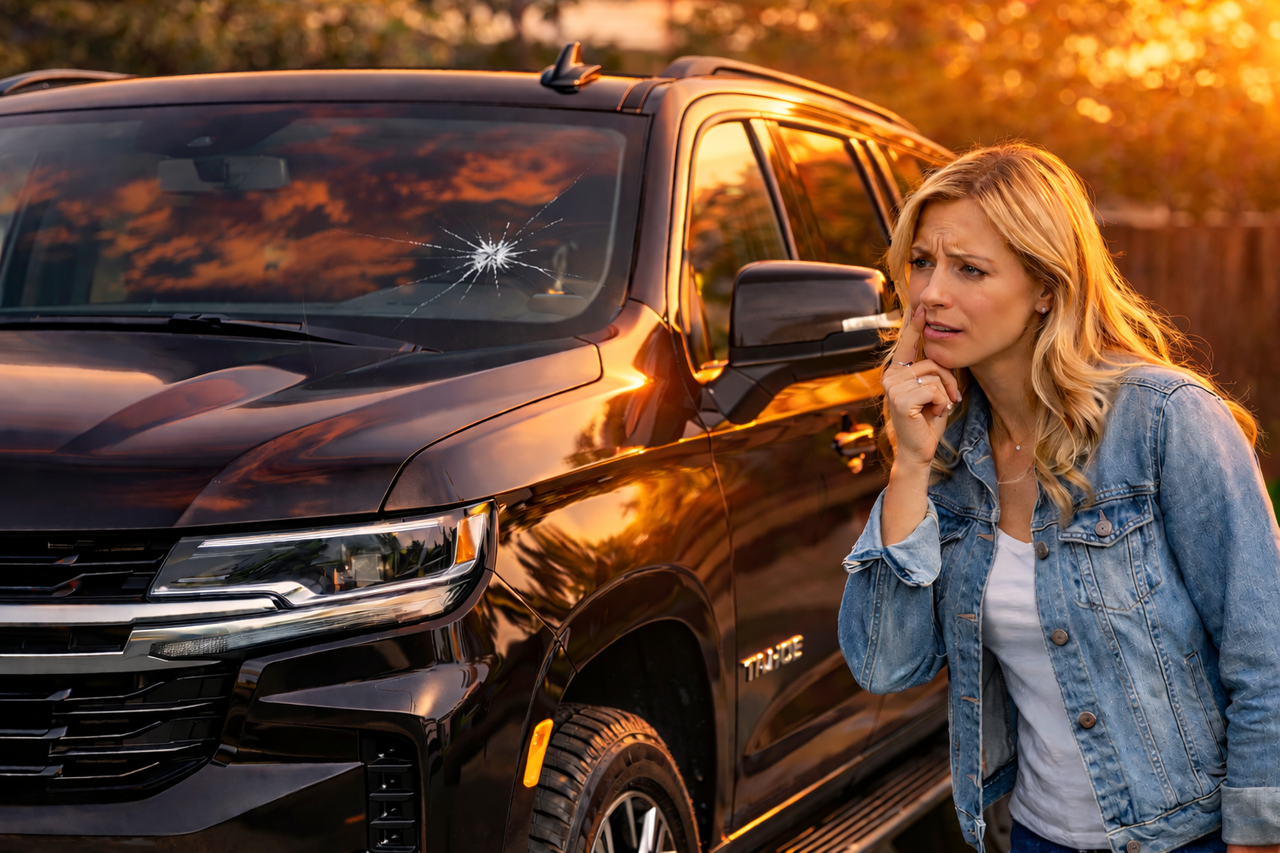
- Damage type and size. Stone chips the size of a quarter and short cracks under roughly 6 inches, away from edges and sensors, are often repairable. Star breaks with many legs, long cracks, or damage at the glass edge push toward replacement.
- Location. Anything in the driver’s direct sightline reduces clarity and can distort light after a resin repair. If ADAS cameras sit near the mirror mount, damage there complicates both repair and replacement due to calibration.
- Glass type. Laminated windshields take resin repairs well if caught early. Tempered side glass can’t be repaired in a practical way. A shattered door window or rear glass means replacement, full stop.
- Contamination and age. Dirt, moisture, and time degrade the chance of a clean repair. A chip open for weeks during a humid Charlotte summer often looks worse under UV once filled.
A quality shop will walk you through these calls without pressure. If you feel pushed toward a full replacement when a repair would suffice, get a second opinion. Most technicians can make the right call in two minutes of inspection.
What to expect during mobile auto glass service
Mobile auto glass repair Charlotte is a lifeline if you can’t take time off work or if the car isn’t safe to drive. The service truck brings cut‑to‑fit glass, primers, adhesives, and calibration tools. Parking lots, driveways, even a quiet curb in South End can work, provided there’s space and weather cooperation.
Mobile windshield replacement Charlotte follows a predictable sequence: protect paint and interior, cut out the old glass, prep the pinch weld, apply primer and urethane, set the new glass with alignment tools, reconnect sensors or rain/light systems, then clean up. The set time matters. Most high‑quality urethanes reach safe drive‑away strength in 30 to 90 minutes depending on product, humidity, and temperature. Your tech will give a time window. If you hear “five minutes,” that’s a red flag.
Mobile services can also handle door glass and rear glass. Door glass involves removing the door panel, extracting broken glass, aligning the new pane in tracks, and confirming that auto‑up and pinch protection still work. Rear windshield replacement Charlotte NC on hatchbacks and sedans adds defroster connections and often a wiper motor test. With SUVs, mind the liftgate struts, which can complicate access.
Same day auto glass repair Charlotte NC is realistic for common models if you call before midmorning and you’re flexible on location. Glass with unusual acoustic layers, heads‑up displays, or hard‑to-find moldings may take a day or two to source. If weather turns stormy, a good shop will reschedule rather than risk a compromised bond.
Insurance, cost, and what really gets covered
North Carolina doesn’t mandate zero‑deductible glass coverage statewide the way some states do, so your out‑of‑pocket depends on your policy. Many insurers offer full glass riders. Without one, a repair may cost less than your deductible, while replacement tends to exceed it. Typical cash prices in the Charlotte market, as of late 2025 ranges, not fixed quotes:
- Windshield repair near me searches will turn up rates around 90 to 160 dollars per chip, sometimes with a discount for additional chips on the same visit.
- Standard windshields, non‑luxury, non‑ADAS, generally run 250 to 450 dollars installed.
- ADAS‑equipped windshields with camera brackets and acoustic layers often land between 450 and 1,000 dollars including calibration.
- Side window replacement Charlotte pricing varies with door complexity, but 180 to 350 dollars is common.
- Rear glass on SUVs with defrosters and antennas can range from 300 to 700 dollars, sometimes more for specialty panes.
Most shops can bill insurance directly. Ask your agent whether repairs are covered without affecting premiums — many carriers treat repairs favorably, since they prevent larger claims. If you choose the best auto glass shop Charlotte NC for quality, not just price, some policies still allow it through “shop of choice” provisions. If your insurer steers you to a network, you can still ask for a preferred local shop and see if they’re approved.
OEM, OEE, and cheap aftermarket: choose with your eyes open
Glass sourcing matters. OEM implies the automaker’s labeled part, often manufactured by the same global companies that supply them. OEE refers to the same manufacturer and spec as OEM, just without the carmaker’s logo. Aftermarket can be high quality or not, depending on standards and coatings.
When do I recommend OEM or true OEE? Three situations stand out. First, vehicles with sensitive ADAS systems where the camera points through the glass, like many Subarus, Hondas, or Fords. Optical distortion can throw off calibration if the glass curvature or frit band is slightly off. Second, vehicles with heads‑up displays or acoustic interlayers that reduce cabin noise. Third, luxury models where fit and finish tolerances are tight.
For an older commuter without ADAS, a reputable aftermarket windshield can be perfectly fine. What you don’t want is an unbranded pane with flawed optics. Before installation, stand ten feet back, look for waves, and check the stamp for DOT compliance and manufacturer identity. After install, watch for wind noise at highway speed, water leaks in a car wash, and trim gaps. A solid shop fixes any of these without drama.
Calibration: the step too many drivers skip
If your car has lane departure warning, adaptive cruise control, automatic emergency braking, or even automatic high beams, your windshield probably hosts one or more cameras and sensors. After replacement, the camera’s view of the road edges, lane markers, and horizon changes broken windshield Charlotte NC 28287 subtly. That demands calibration.
Shops perform static calibration with targets in a controlled space, dynamic calibration by driving prescribed routes at set speeds, or both, depending on the manufacturer. Many mobile teams in Charlotte carry the equipment for static calibration, setting up targets in a level parking lot, then follow up with a road test. Expect calibration to add 30 to 120 minutes. Skipping it can mean phantom lane warnings or failure to detect a real hazard. Insist it’s done, and ask for a calibration report. If a shop shrugs and says, “It learns as you drive,” that’s now rare and often not accurate for late‑model cars.
Side windows: a different animal than windshields
Car window replacement Charlotte NC often means a smashed side window after a break‑in. Tempered glass erupts into thousands of beads that lodge everywhere: door seals, seat tracks, cup holders, even the speaker grills. Removing all of it takes patience. A rushed cleanup leaves crunching sounds and scratches that you’ll notice for months.
The installation process varies by vehicle. Some door cards come off cleanly with a handful of clips and screws. Others hide fasteners behind handles, badges, and tight trim. The glass must slide into the regulator channels and align so the door closes without wind hiss or water leaks. After installation, watch the glass travel. If it tilts, hesitates, or clunks, ask for an adjustment. Auto‑up features rely on pinch sensors. If they fail to auto‑up, the system may need a relearn procedure that only takes a minute once you know it.
For coupes or frameless doors, alignment is fussier. The top edge seals against the roof or pillar trim. A quarter turn on an adjustment bolt can make the difference between a quiet ride and a whistle at 70 mph on I‑85.
Rear glass: more wiring than you might expect
Rear windows carry defroster grids, antennas, and sometimes camera or wiper connections. Rear windshield replacement Charlotte NC means careful removal of trim panels, reconnecting leads without bending tabs, and verifying electrical continuity. On some SUVs and crossovers, the glass integrates spoilers or trim strips that need to be transferred. If your rear hatch uses power close or hands‑free sensors, test those before the tech leaves.
A good technician will meter the defroster after installation. You can do a crude check later on a cool morning. Turn the defroster on and look for even clearing. Missing bars indicate a broken grid line, sometimes fixable with conductive paint, but better avoided with careful handling during install.
Weather, timing, and what makes for a clean bond
Adhesive cure is chemistry. Charlotte’s humidity often helps urethane kick, but cold snaps in January slow things down, and summer thunderstorms can saturate work areas. Mobile techs carry canopies and heaters for a reason. The pinch weld needs to be clean, dry, and primed correctly. Skipping primer can lead to corrosion or adhesion failures years later, especially on vehicles with minor rust at the glass channel.
Drive‑away times vary. Some adhesives reach safe strength in 30 minutes at 70 degrees and moderate humidity. With heavy rain or temperatures below 40, you might hear a longer time. Resist the urge to slam doors right after a windshield replacement. The pressure spike can disturb the uncured bond. Crack a window slightly for the first day if possible.
How to vet the best auto glass shop Charlotte NC
Plenty of companies can install a pane. Fewer invest in training, calibration gear, and careful prep. You don’t need a PhD in adhesives to pick a good one. Look for the basics that correlate with quality outcomes.
- Ask about certification. Technicians with current AGSC certification and documented ADAS training tend to follow procedures, not hunches.
- Verify calibration capability. If your car needs it, confirm whether they perform static and dynamic calibration, and whether they provide reports.
- Listen for material specifics. A conscientious estimator will name the urethane brand, primer usage, and safe drive‑away time, not just say “glue.”
- Check part sourcing. Ask whether the glass is OEM, OEE, or aftermarket, and why they recommend that option for your vehicle.
- Read local reviews with an eye for how shops handle problems. Every business has a tough day. The good ones fix issues without excuses.
Word travels fast in neighborhoods like Dilworth, Plaza Midwood, and Ballantyne. If a shop routinely leaves trim loose, you’ll see it in patterns across reviews. If they go the extra mile and vacuum every shard from trunk liners and door pockets, you’ll see that too.
A practical path when your glass breaks
The first hour after your glass breaks sets the tone for the whole repair. Safety comes first. If it’s the windshield and visibility is compromised, park safely and call for help. If it’s a side window, cover the opening to keep rain out and deter further damage. Clear packing tape and a plastic drop cloth work better than a trash bag that shreds at highway speeds. Avoid painter’s tape on exterior paint in hot weather; the adhesive can bake on and leave residue.
Take photos for insurance, then check your policy. If you have full glass coverage, share your preferred shop. If not, ask for a repair estimate before jumping to replacement, especially for small chips. For busy weeks, mobile windshield replacement Charlotte is often the path of least resistance. Coordinate the visit where the car can sit undisturbed during cure time, with enough space to open doors and lay out tools. A parking deck with low clearance can block calibration targets, so mention your location when scheduling.
Common pitfalls and how to avoid them
I see the same mistakes catch drivers again and again. The first is waiting too long on a chip because it “hasn’t moved.” A 40‑minute repair today can become a 600‑dollar replacement after one cold night and a morning defroster blast. The second is ignoring calibration lights in the dash after a new windshield. A camera warning icon isn’t a suggestion. Call the shop to recalibrate.
Third, reinstalling sun visors, dash cams, or toll tags crooked. It sounds minor, but you don’t want adhesives placed over the frit border if the manufacturer warns against it. Fourth, washing the car immediately with a high‑pressure wand. Give the moldings a day to settle under normal driving before subjecting them to a blast.
Finally, glass selection. Don’t default to the cheapest option when your vehicle uses heads‑up display or thick acoustic glass. The wrong pane can introduce a faint double image or more cabin noise that you’ll notice every mile.
The value of local knowledge
Regional factors matter. Charlotte’s roadwork and gravel trucks raise chip risk. Afternoon storms drop pine needles and twigs that hide in cowl areas, trapping moisture where your windshield bonds to the body. Pollen season coats everything with a yellow film that can contaminate repairs if not cleaned thoroughly. Experienced local techs account for these realities. They’ll inspect your cowl drains when they pull the glass and clear debris that could cause leaks later. When temps swing from chilly morning to hot afternoon, they’ll allow for expansion in molding fitment to prevent edge lift.
Neighborhood parking dynamics play a role too. Street‑parked cars in Uptown are break‑in targets when valuables sit in view. Consider a secure garage if you’re waiting on side window replacement Charlotte. A plastic cover invites attention. Some shops can meet you at a workplace garage, which reduces risk and speeds cleanup.
When repair beats replacement
Windshield repair makes sense if the chip is fresh, located away from edges and sensors, and not in your primary sightline. A good tech uses vacuum‑pressure cycles to pull out air and moisture, then injects a UV‑curing resin with the right viscosity for the break type. Expect the blemish to fade, not vanish. The structural goal is to stop crack propagation and restore strength. Drive away in 30 minutes. If a shop guarantees invisibility, treat that as marketing, not physics.
Repairs keep the factory seal intact, which is valuable on newer cars. They also preserve lane camera aiming in many cases. If your insurance waives the deductible for repairs, there’s little downside other than aesthetics. Ask for a lifetime guarantee against spreading. Many reputable shops provide it for that repair site.
When replacement is the sane move
A long crack, edge damage, deep pitting from sandblasting over years of highway miles, or any distortion in your view calls for replacement. Also replace when a prior poor repair trapped air and moisture that now migrates, or when the glass hosts embedded sensors or heating elements that have failed. For side and rear windows, the moment tempered glass breaks, it’s done. There’s no meaningful repair path.
If you drive a vehicle with integrated rain sensors, humidity sensors, or light sensors, make sure those are transferred and seated properly on the new glass. A sensor pad that’s misaligned can cause wipers to behave erratically or auto headlights to lag. A careful installer preps the gel pad and seats the module without bubbles. Small details, big impact.
Care after the install
Treat new glass gently for a couple of days. Avoid slamming doors. Leave a window slightly open to balance cabin pressure if it’s safe to do so. Skip the car wash for 24 to 48 hours. If you remove any tape the tech applied, peel slowly at a low angle to avoid pulling on moldings. Watch for small signs of trouble: a drip at the A‑pillar after rain, a whistle at speed, or dash alerts related to cameras. A good shop will re‑seal or adjust without argument.
For windshields, swap out wiper blades if they’re old. Dry, nicked blades scratch the hydrophobic coatings common on modern glass, and they chatter on fresh surfaces. If your previous windshield was heavily pitted, expect the new one to feel slicker. Give yourself a day to adjust to glare differences at night, then reassess if something feels off. Optical defects usually reveal themselves when you follow lane lines under streetlights. Any wavy distortion should be addressed promptly.
How “near me” search results can mislead
Searches like windshield repair near me or auto glass repair Charlotte NC pull a mix of national networks, dispatch services, and local shops. Dispatch services aren’t necessarily bad, but they function as brokers: they take your call and farm out the job, sometimes to the lowest bidder. You may not know who is actually showing up. If you value accountability, call a shop directly and ask who will perform the work, by name if possible.
For mobile windshield replacement Charlotte, confirm the service radius and any surcharges for outlying areas like Huntersville, Mint Hill, or Fort Mill just across the state line. A long drive can compress the schedule and tempt rushed work. The better shops pad their day to avoid that crunch.
What a thorough estimate looks like
The best estimates read like a short scope of work, not just a price. They name the glass type and part number when possible, list moldings or clips that will be replaced, specify urethane brand and safe drive‑away time, mention ADAS calibration if applicable, and spell out warranty terms. They also note whether they’ll reuse OEM trim or supply aftermarket equivalents if the originals are brittle or broken.
If your car uses rain or light sensors, the estimate might list a new gel pad. If you drive a German car with a rain channel, it may include a cowl clip set. Those small items, a handful of dollars, can make or break the fit and finish.
A short checklist before you book
- Verify whether repair or replacement is appropriate after a quick assessment with a photo or on‑site look.
- Ask about calibration if your car has driver assistance systems, and confirm the shop can document it.
- Decide on OEM, OEE, or aftermarket based on your vehicle’s features and your tolerance for cost versus perfection.
- Plan for cure time and a weather‑safe location if you choose mobile service.
- Get warranty details in writing, including leaks, wind noise, and calibration coverage.
The bottom line for Charlotte drivers
You don’t need to become a glass expert to make a sound decision. You do need a shop that treats glass like the safety component it is, not just a pane to be swapped. Prioritize clear communication, the right materials, and proper calibration. Whether you’re dealing with a quick chip fill, a rushed lunch‑hour side window fix after a break‑in, or a complex ADAS‑equipped windshield replacement Charlotte NC, the fundamentals remain the same: correct assessment, clean preparation, precise installation, and careful follow‑through.
Charlotte has plenty of capable providers. Focus on the ones who explain tradeoffs without jargon, show up when they say they will, and stand behind their work in writing. That combination turns a frustrating hiccup into a solved problem, and gets you back to the parts of life that happen beyond the glass.
Leave a Reply