Greensboro drivers learn quickly that glass trouble never waits for a free afternoon. A rock kicked up on I‑40, a limb dropping in a summer storm, an unexpected temperature swing after a cold night in Guilford County, any of these can turn a clear windshield into a safety hazard. When that happens, the difference between a stressful day and a manageable hiccup often comes down to how fast and how well you can get help. Reliable Greensboro mobile windshield repair exists for that exact reason, bringing professional tools and factory‑spec adhesives straight to your driveway or office parking lot.
I’ve spent years around auto glass technicians and body shops in the Triad. The best operators share a few habits. They answer the phone, they ask the right questions, they show up with the right materials, and they leave the glass better than they found it. Mobile service done right isn’t a compromise, it’s a controlled process that meets the same safety standards as in‑shop work when conditions allow. The trick is knowing when repair beats replacement, and how Greensboro’s weather, roads, and common vehicle types shape those decisions.
How damage happens in Greensboro, and why it matters
Two local realities drive most calls. First, construction zones along the Urban Loop and US‑29 throw loose aggregate into traffic. Even small stones striking at highway speed can create star breaks, bulls‑eyes, or combination chips. Second, the Piedmont’s climate swings from humid summer heat to chilly nights in fall and winter. Glass expands and contracts with temperature shifts, which can turn a tiny chip into a wandering crack across your field of view if it’s left unaddressed.
A crack is not just cosmetic. The windshield is part of your vehicle’s structural cage. In many late‑model cars, it contributes to roof crush resistance and airbag deployment angles. A compromised windshield can flex differently in a collision, and if a crack intersects sensor areas for advanced driver assistance systems, your lane‑keep and collision warning features might misread the world around you. A solid Greensboro windshield repair, performed promptly, preserves that structure and keeps you from paying for a full pane later.
Mobile versus shop service in the Triad
Mobile auto glass Greensboro providers handle most repairs and a surprising number of replacements curbside. They arrive in vans stocked with resins, primers, molding clips, OEM‑approved adhesives, and calibration targets for certain sensor packages. This saves time, keeps you from arranging a ride, and often gets you back to normal within an hour or two.
Some situations still call for a controlled shop environment. Heavy rain that can seep into bonding areas, wind gusts that blow dust onto fresh urethane, or extreme temperatures can all push a Greensboro windshield replacement into a bay for best results. A seasoned dispatcher will ask about weather and parking conditions and then make a call. If you can provide a garage, carport, or a lee side of a building, mobile work remains viable on most days.
When you can repair and when you should replace
Not all windshield damage is equal. Resin injection works best for small chips and short cracks. It restores clarity, stops propagation, and maintains factory glass. Replacement becomes the safer option when the damage exceeds size limits, sits too close to the edge, or intrudes on critical sensor zones.
Here’s a compact decision aid you can use before you call:
- Chip size: A quarter or smaller is often repairable. Larger than a quarter, especially with multiple legs, tends to warrant replacement.
- Crack length: Up to six inches is in the gray zone, sometimes repairable if straight and not branching. Beyond six inches, or if it curves into the driver’s sightline, replacement is recommended.
- Edge proximity: Cracks that start or end within two inches of the edge increase stress risk and usually push toward replacement.
- Driver’s primary field of view: Even a repaired chip can leave a faint blemish. If it sits directly in your central sightline, many Greensboro auto glass repair technicians will suggest replacement to avoid glare and distraction.
- ADAS sensors: If your vehicle houses rain sensors, cameras, or LiDAR near the damage, you may need strategic replacement and calibration. Some chips near sensor zones are repairable, but the calibration requirement often tips the scale to a fresh pane.
The anatomy of a professional mobile repair
A proper rock chip repair Greensboro service feels simple from the outside, yet the steps matter.
The tech will clean the surface, isolate loose glass, and place a bridge tool over the chip to create a vacuum seal. They pull air from the voids, then inject a low‑viscosity resin that wicks through microfractures. UV light cures the resin in minutes. A razor blade levels the fill, and a final polish restores optical clarity. Good results leave only a faint ghost when you look closely, and strength is restored to roughly the surrounding glass.
For a Greensboro auto glass replacement, the process runs longer. Trim and cowl pieces come off, the old urethane bead is cut, and the pane is lifted without scratching the pinch weld. The technician primes the body and glass with system‑specific chemistry, lays a fresh urethane bead with the correct triangular profile, and seats the new windshield with alignment guides. Safe drive‑away time depends on the adhesive system and temperature. Most high‑modulus, fast‑cure urethanes used locally reach minimum safety thresholds in about 30 to 60 minutes, though some situations call for more. A conscientious tech will place a time tag on your dash.
What reliable emergency service looks like in Greensboro
When your cracked windshield Greensboro emergency happens, minutes matter. The most dependable Greensboro mobile windshield repair crews do three things right up front. They verify your VIN, they ask about features like heated wipers or heads‑up display, and they request clear photos of the damage. Those details determine glass part numbers and whether your car needs calibration after a replacement.
They also coordinate around Greensboro realities. Lunch hour downtown? A good team knows which garages on Elm and Greene have clearance for service vans and will meet you on the upper levels where wind is calmer. Afternoon thunderstorms in July? They’ll aim for the side of a building to keep the urethane dry or reroute to a shop bay if the radar looks ugly. Early morning fleet calls for local contractors? Expect them to stage common truck glass in the van the night before.
Costs, insurance, and the deductible question
Price varies with vehicle model, glass options, and whether you need a calibration. A basic chip repair often falls in the 70 to 150 dollar range in the Triad. Windshield replacement can range widely, from around 300 dollars for economy cars without sensors to 900 dollars or more for vehicles with acoustic glass, infrared coatings, or complex ADAS packages.
North Carolina insurance rules allow comprehensive coverage to handle glass damage, usually after a deductible. If your deductible is 500 dollars and the replacement is 350, paying cash makes sense. If your SUV needs a 900 dollar windshield with a 100 dollar deductible, a claim is logical. Many Greensboro auto glass replacement providers coordinate directly with insurers to simplify paperwork. One note from experience, claims can show as comprehensive events on reports, which generally do not affect rates the way at‑fault collisions do, but if you’ve had multiple glass claims in a short window, it’s worth a quick call to your agent to understand your specific policy posture.
ADAS calibration, the hidden step many owners miss
Cameras behind the windshield support features like lane departure warnings and adaptive cruise control. Any Greensboro windshield replacement that disturbs the camera bracket or changes glass thickness can alter how those systems “see.” Calibration resets the electronic understanding of the world. Static calibration uses targets and patterned boards placed at precise distances; dynamic calibration involves driving on well‑marked roads while the system relearns.
In Greensboro, dynamic calibrations favor roads with good striping, like newer stretches of the Urban greensboro windshield repair Loop, while static calibrations need an indoor area with level floors and controlled lighting. Some mobile auto glass Greensboro teams carry portable targets and can perform static procedures at a warehouse or a sufficiently open parking lot, but many schedule calibrations in‑shop to keep control of variables. Skipping this step can leave a system functional but inaccurate. You might not notice until the moment you need it.
Weather, curing, and why patience pays
Summer heat speeds cure times for urethane adhesives but can also soften them prematurely if the vehicle jolts over potholes right after installation. Winter slows everything down. If you schedule a Greensboro windshield replacement on a 40‑degree day, safe drive‑away times often extend. A tech might also use heated glass or primer systems designed for cold weather bonding.
Moisture is the enemy of bond integrity. Even a light drizzle can compromise the early cure if it wicks into the bead. That’s why you’ll see careful crews set up small pop‑up shelters or tuck cars under a deck overhang. If a storm rolls through, don’t be surprised when an honest tech asks to reschedule or move. The ten minutes you save aren’t worth a squeak, leak, or worse, a bond that fails in a crash.
Side windows, back glass, and the rest of the car
Greensboro car window replacement differs from windshields in one key way. Most side windows are tempered glass. They shatter into small cubes for safety and cannot be repaired. A break means replacement. Back glass varies; many rear panes include defroster grids and antennas. A mobile team can replace these on site, vacuum all shards from door cavities or trunk wells, and test electrical connections before leaving. Expect more cleanup time after a side glass break, especially if the car has deep door pockets or fabric trim. Good techs bring commercial vacuums, tarps, and a patient approach, because a few missed cubes can rattle for weeks.
Choosing a Greensboro auto glass repair partner
Credentials matter. Look for technicians trained on modern adhesives and calibration procedures. Ask whether they use OEM glass or high‑quality aftermarket panes that match tint, thickness, and acoustic properties. The best outfits keep detailed documentation, including lot numbers for urethane and primers, and can provide a written safe drive‑away time.
Two other markers stand out in practice. First, phone discipline. If a company answers at 7:30 a.m. with a plan and gives you a two‑hour arrival window they actually meet, that’s gold. Second, post‑service support. Leaks sometimes appear after a hard rain or a car wash. Reputable Greensboro mobile windshield repair providers will return promptly to re‑seal, re‑seat trim, or troubleshoot wind noise. That follow‑through separates pros from opportunists.
What you can do before the van arrives
You can help the job go faster and cleaner with a few small steps. Park where the tech can open doors fully and move around the car with a stepladder. Remove toll transponders or dash cameras that stick to the glass, and unclip any dangling wires. If you plan to use insurance, have your policy card or app handy and know your deductible. Snap three well‑lit photos of the damage, including a wider shot that shows its position on the glass. This helps the dispatcher pick the right part and advise you if a repair stands a good chance of success.
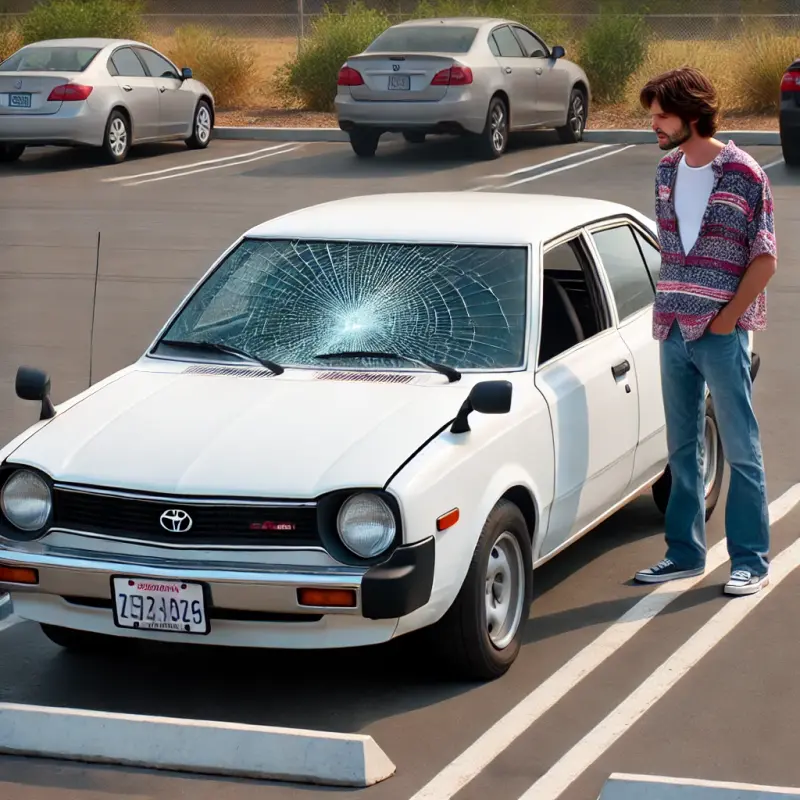
The difference between a good repair and a great one
Most resin repairs stop cracks from growing. A great repair leaves you forgetting where the chip started. That comes down to resin quality, vacuum time, and patience during curing. Look closely at a finished rock chip repair Greensboro job in bright light. You might see a faint halo, but you should not see dark legs or air pockets. Press gently around the area after the tech releases the bridge tool, the surface should feel smooth, not concave. Glass techs who take pride in their work often carry multiple resin viscosities and choose one based on the type of break. That nuance matters.
For replacements, the small cues tell the story. Wiper arms sit at identical angles. Cowl trim clips are fully seated. There is no adhesive smear on the dash or headliner. The glass sits flush along the A‑pillars without gaps. On the first rainy day, you hear silence rather than a high‑pitched whistle. When those boxes are checked, you’re not just looking at new glass, you’re riding in a car that’s back to factory intent.

Edge cases that deserve extra attention
Convertible and performance vehicles often have tighter tolerances and unique glass curvature. An aftermarket pane that works fine on a family sedan can introduce wind noise on a roadster at 70 miles per hour. In that case, OEM glass and fresh molding are worth the premium.
Older trucks with some rust at the pinch weld present a different challenge. Rust weakens the bond surface. The tech might recommend rust treatment, sometimes even a body shop stop, before fresh urethane goes down. Skipping that step risks leaks or poor adhesion.
Commercial vans and fleet vehicles benefit from predictable scheduling. If you manage a small fleet around Greensboro, batch your repairs on a single morning and request a dedicated crew. You’ll reduce downtime and ensure consistent materials on all units.
Safety glass, explained without jargon
Windshields are laminated. Two layers of glass sandwich a clear plastic interlayer, usually polyvinyl butyral. In a crash, the interlayer holds shards in place, preventing ejection and keeping the cabin more intact. That interlayer also lets skilled techs repair small damages through resin injection.
Side windows and many back glasses are tempered. They’re heated and cooled rapidly during manufacturing to increase surface tension, which makes them stronger under normal use. When they fail, they crumble into granules to reduce injury. This difference is why windshield cracks can be stabilized and side glass breaks cannot.
Local rhythm and realistic timelines
Call at 8 a.m., share photos, and a typical Greensboro mobile windshield repair slot might open the same day, especially for chip repairs that take 30 to 45 minutes. Replacement windows vary by part availability. Common sedans and midsize SUVs often see same‑day or next‑day glass. Specialty glass can take two to five business days. If calibration is needed, add 30 to 90 minutes for dynamic learning or a booked slot for static targets.
Rush periods cluster around spring storm weeks and the first cold snaps of fall, when overnight temperature shifts reveal latent weaknesses. If you can plan a day ahead in those windows, you’ll likely get better scheduling and a less hurried crew.
Care after service, the part most people forget
Let the car sit for the full safe drive‑away time the tech specifies. Avoid slamming doors for the first day, since cabin pressure spikes can stress uncured adhesive. Leave blue tape on the molding for 24 hours if the tech applies it. Skip high‑pressure car washes for two days. If you notice an odd odor, that’s normal. Urethanes and primers off‑gas slightly and the scent fades quickly with a cracked window and fresh air.
For repaired chips, watch the spot over the next week. If a leg reappears or the clarity worsens, reach out. Quality shops in the Greensboro auto glass replacement and repair space stand behind their work with warranties on repair stability and leak protection.
How the local landscape shapes risk and response
Driving between Greensboro and Winston‑Salem on US‑421 feels easy until a dump truck merges ahead, shedding sand or gravel. Keeping a little extra following distance reduces the chance of a direct strike. On the city’s brick‑lined downtown streets, loose debris hides near curbs. It can flip up when a car ahead cuts the corner on a turn. Small avoidance habits matter: give trucks room, slow for construction transitions, and replace wiper blades before they streak. Grit caught under a worn blade scratches windshields, dulling the glass and creating glare that no resin can fix.
Service providers adapt to these patterns. The best mobile auto glass Greensboro teams map their day around known choke points and weather shifts. They’ll start with outside work before the afternoon pop‑up showers, then move to garages or shop bays later. They keep common Ford, Toyota, Honda, and GM windshields on hand because those models dominate local roads, and they maintain relationships with regional warehouses in case a part needs a fast courier run.
A quick owner’s checklist for emergency readiness
- Save the contact for a trusted Greensboro mobile windshield repair provider in your phone before you need it.
- Keep your insurance policy number and deductible handy, and know whether comprehensive covers glass.
- Stash a small roll of clear packing tape in the glovebox to temporarily seal a small chip from moisture until a tech arrives.
- Park under cover when possible during hail forecasts; a simple carport can save a windshield.
- Replace wiper blades every 6 to 12 months, especially after pollen season, to prevent micro‑scratches.
Why fast action is the cheapest option
A chip repair costs less than lunch for two and preserves factory glass. Wait a week while temperatures swing and the crack creeps into your line of sight, and you’re shopping for a Greensboro windshield replacement instead. Once a crack grows, no resin will put that genie back in the bottle. Act quickly, and mobile service turns a potential headache into a brief interruption.
Reliable help is close at hand. Whether you need Greensboro auto glass repair for a fresh chip, full Greensboro auto glass replacement after storm damage, or careful Greensboro car window replacement following a break‑in, mobile teams built for the Triad’s roads and weather can meet you where you are. Ask clear questions, share accurate details, and give your technician good working conditions. Your windshield will repay the favor with clarity, strength, and quiet miles ahead.
Leave a Reply